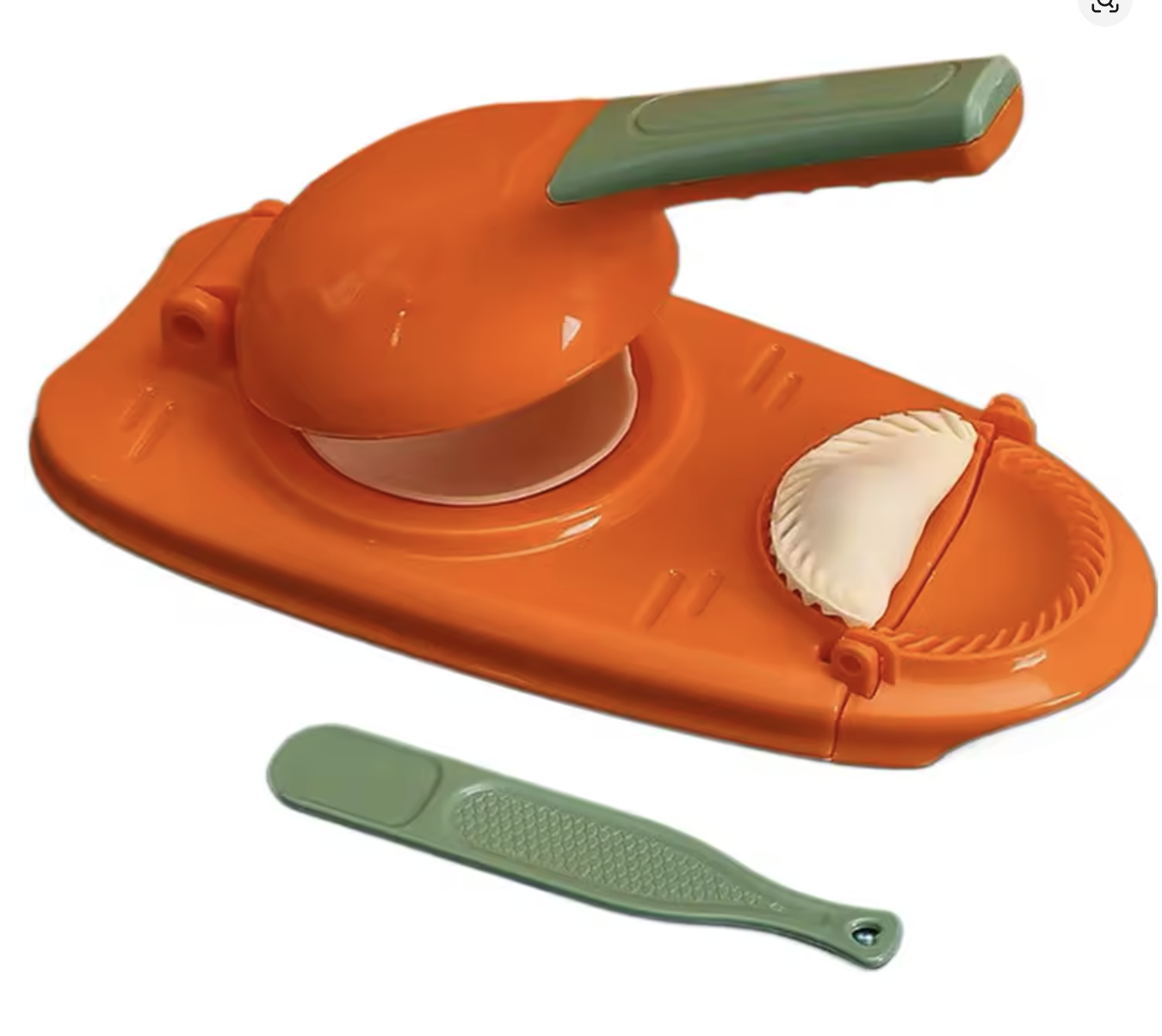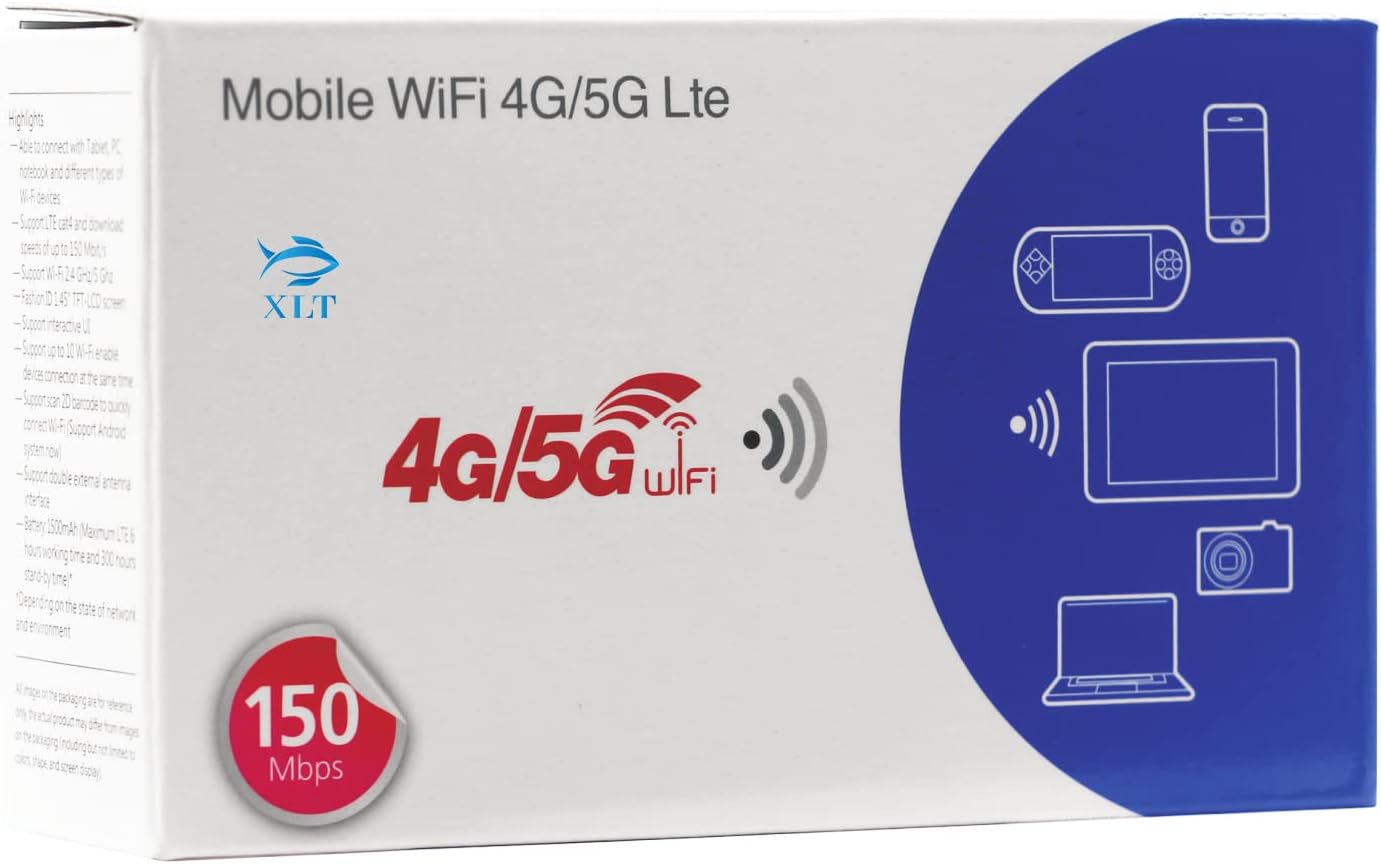
جهاز توجيه واي فاي محمول مزود بفتحة SIM
وفر 23%! اشترِ جهاز توجيه واي فاي محمول مزود بفتحة SIM بسعر 369 د.ل فقط في ليبيا
🛒 تسوق الآن Libya Press
As international oil companies queue up to reenter Libya's energy sector, a damning new investigation reveals the scale of systemic corruption plaguing the country's oil wealth. The Sentry, an investigative organization tracking illicit financial flows, reports that nearly $20 billion was siphoned from Libya's fuel subsidy program between 2022 and 2024 alone. For ordinary Libyans, the cost is measured in long petrol queues, black market prices up to 40 times the official rate, and crumbling public services.
In 2021, Libya's National Oil Corporation (NOC) introduced a crude-for-fuel swap system that bypassed central bank oversight. Instead of routing crude sale proceeds through the state budget, the NOC directly exchanged Libyan oil for imported refined fuel. This off-books mechanism allowed fuel imports to more than double within three years, reaching approximately 41 million liters per day by late 2024 — far exceeding Libya's legitimate domestic consumption. Investigators estimate that over half of all imported fuel is smuggled back out of the country by sea and land, generating billions in illicit profits for armed groups and political elites on all sides of Libya's divide.
Saddam Haftar, son of eastern commander Khalifa Haftar, has emerged as the central figure in the smuggling network, consolidating control over maritime routes from Benghazi's old harbor and overland corridors into sub-Saharan Africa. His subordinate Ali al-Mashay serves as the primary gatekeeper for vessel operations. But the scheme is not limited to the east: western warlords including Mohamed Koshlaf of Zawiya and Omar Bughdada of Misrata — aligned with Tripoli Prime Minister Abdul Hamid Dbeibeh — also profit from the trade. By 2024, stolen subsidized fuel accounted for roughly $7 billion annually, equivalent to about 15 percent of total public spending.
Justyna Gudzowska, executive director of The Sentry, warned that foreign companies eyeing Libya's first oil bid round in nearly two decades should proceed with extreme caution. "Only an effective, transparent, and accountable Libyan state can be the partner international companies require," she wrote in a Foreign Policy op-ed. The investigation found that Russia, Turkey, and the United Arab Emirates have quietly facilitated the multibillion-dollar smuggling operations. The Haftar coalition has diverted subsidized diesel, gasoline, and jet fuel to Russian military personnel stationed at Libyan air bases, who in turn ship it to Russian missions across sub-Saharan Africa. The same network has also supplied fuel to Sudan's Rapid Support Forces, enabling atrocities in Darfur even after the fall of El Fasher.
Western analysts note that Libya's oil sector remains deeply tied to the U.S. dollar, giving Washington and its allies significant leverage to impose conditions on returning international companies. However, without meaningful anti-corruption safeguards, experts warn that new investment risks entrenching the very networks that have hollowed out the Libyan state.
The NOC announced earlier this year that it would end the crude-for-fuel swap system, yet fuel import volumes remain unjustifiably high and large-scale smuggling continues. The Libyan dinar has depreciated sharply, consumer price inflation is soaring, and the central bank lacks the hard currency needed for essential food and medicine imports. Citizens of one of Africa's richest oil nations now routinely face fuel shortages and black market prices that consume a significant share of household income.
The path forward demands more than technical fixes. Experts say meaningful reform requires dismantling the armed group networks that control smuggling routes, establishing transparent public financial management, and holding both domestic and international actors accountable. Without these steps, Libya's oil wealth will continue to enrich a corrupt elite while ordinary citizens pay the price — and foreign investors risk being complicit in the plunder.
As Libya prepares to welcome international oil companies back to its shores, the question remains: will new deals bring prosperity to the Libyan people, or simply feed the machine that has stolen $20 billion in just three years?