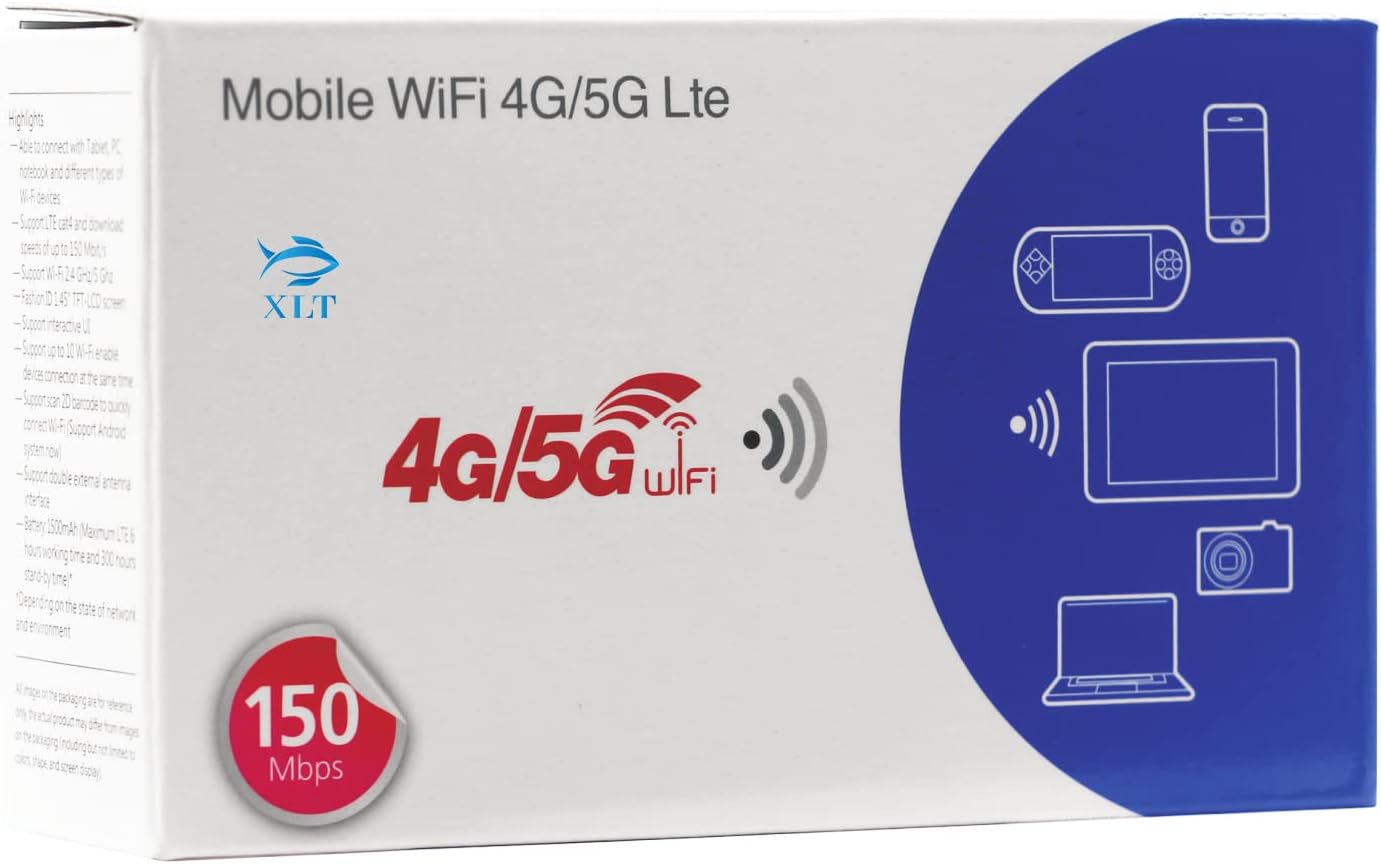
جهاز توجيه واي فاي محمول مزود بفتحة SIM
وفر 23%! اشترِ جهاز توجيه واي فاي محمول مزود بفتحة SIM بسعر 369 د.ل فقط في ليبيا
🛒 تسوق الآن Libya Press
Libya's journey from one of the world's poorest nations to a major oil exporter remains one of the most dramatic economic transformations in modern history. Before oil exploration began in 1956, the North African country relied heavily on foreign aid and had a GDP where agriculture accounted for just 25 percent. Today, petroleum revenues represent over 95 percent of export earnings and nearly 60 percent of GDP, fundamentally reshaping every aspect of Libyan life.
The turning point came in 1958, when Libya's GDP began a dramatic upward trajectory, quadrupling between 1958 and 1965 alone. At the end of 1965, some 25 oil companies operated across 95 concessions, drilling a total of 1,706 wells — nearly half of which were producing wells. Oil exports began in September 1961, marking the shift from exploration to full-scale exploitation. Foreign exchange receipts from oil operations surged from 12 percent of total receipts in 1957 to 84 percent by 1965, replacing foreign government aid that had dropped from 70 percent to just 8 percent in the same period.
Under Libya's petroleum framework, royalties are calculated at 12.5 percent of the export value of oil, based on seaport prices. Profits from oil operations are shared equally between the government and concessionary companies. The 1965 amendment to the Petroleum Law, negotiated in coordination with OPEC, further strengthened Libya's position as a founding member of the organization. Libya joined OPEC in 1962, just one year after the cartel's founding, giving the young producer nation a voice in global oil policy from the outset.
Despite the massive influx of oil wealth, Libya faces structural challenges that mirror those of many resource-dependent economies. Agriculture, which once dominated the economy, now contributes just 1.3 percent of GDP, while industry — centered on petroleum — accounts for 52.3 percent. The economy remains dangerously undiversified, leaving the country vulnerable to global oil price fluctuations. In 2025, Libya's GDP is estimated at $47.94 billion (nominal), with GDP growth projected at 17.3 percent, reflecting ongoing recovery from years of conflict and production disruptions.
Economists note that Libya's experience offers a textbook case of the "resource curse" — where sudden wealth from natural resources can paradoxically hinder broad-based development. Unemployment remains high at 18.74 percent as of 2023, and the labor force is heavily concentrated in services at 59 percent. Foreign direct investment stock reached $92.4 billion in 2023, signaling international confidence, yet the country's infrastructure and institutions require sustained modernization to convert oil revenues into lasting prosperity.
Libya's government has signaled intentions to diversify the economy beyond hydrocarbons, with tourism and fishing identified as potential growth sectors. The country's vast territory — 680,000 square miles — and Mediterranean coastline offer untapped potential. However, political instability and infrastructure deficits continue to pose significant obstacles. Foreign reserves stood at $74.71 billion at the end of 2017, providing a financial buffer, but budget deficits have persisted, reaching negative 25.1 percent of GDP in 2017.
As global energy markets evolve toward renewable sources, Libya faces a narrowing window to leverage its oil wealth for sustainable development. The nation's ability to reform its economic structure, attract non-oil investment, and build resilient institutions will determine whether its oil legacy becomes a foundation for prosperity or a cautionary tale of missed opportunity.