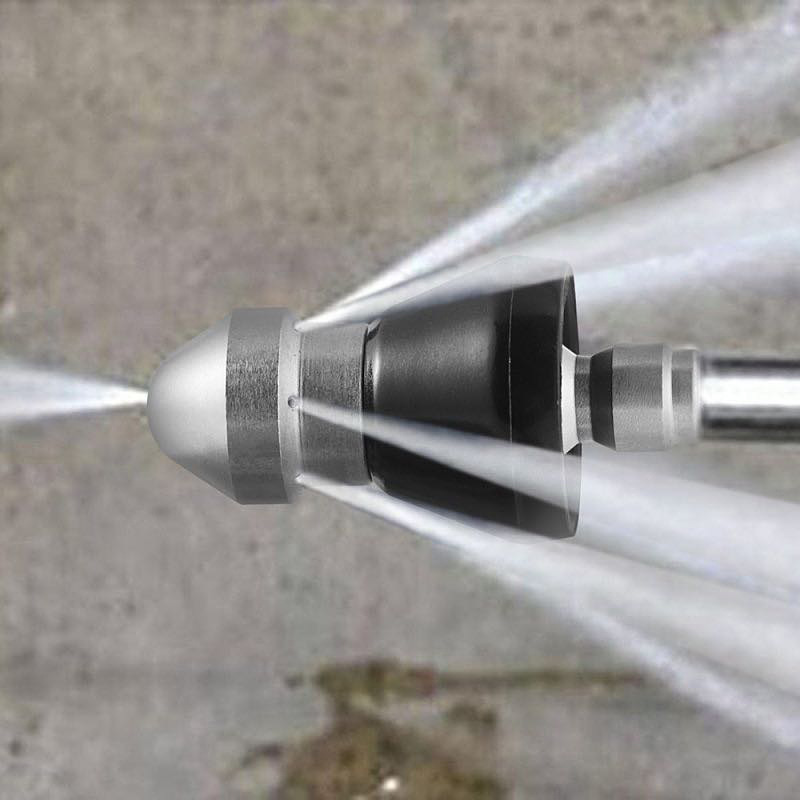
أداة تنظيف الصرف
وفر 22%! اشترِ أداة تنظيف الصرف بسعر 219 د.ل فقط في ليبيا. متوفر حالياً، الدفع ع
🛒 تسوق الآن Libya Press
Libya's Parliamentary Foreign Affairs and International Cooperation Committee has signed a technical coordination framework with the German Agency for International Cooperation (GIZ), in a move aimed at strengthening basic services across Libyan municipalities and leveraging German expertise in renewable energy, governance, and climate response.
The agreement was signed during a meeting at the headquarters of the House of Representatives in Benghazi, chaired by Youssef al-Akkouri, Chairman of the Foreign Affairs and International Cooperation Committee. The German delegation included Ariane Burgstedt, GIZ Regional Director, Yvonne Müller, Libya Programme Coordinator, Rani Daoud, Director of the Municipal Support Programme in Libya, along with project coordinators based in Benghazi and other regions.
The coordination framework establishes formal mechanisms for cooperation between the Committee and GIZ, streamlining procedures with relevant Libyan authorities. It is designed to facilitate the implementation of GIZ programmes across multiple Libyan municipalities and expand collaboration in development, renewable energy, governance, environmental issues, and climate change adaptation.
Al-Akkouri emphasized the Committee's commitment to benefiting from all available opportunities to improve services provided to Libyan citizens, noting that healthcare, environmental protection, and other basic services require urgent international support. He also highlighted the Committee's readiness to help overcome challenges facing international cooperation programmes given Libya's current circumstances.
The German side praised the pivotal role played by the Parliamentary Foreign Affairs Committee in facilitating GIZ operations and enabling the agency's activities across several Libyan municipalities in different regions. Both parties expressed satisfaction with the level of coordination achieved and reaffirmed their commitment to continued partnership.
The signing comes amid growing international engagement with Libya's municipal governance sector, as development partners seek to address critical gaps in service delivery caused by years of conflict and institutional fragmentation. GIZ has been active in Libya for several years, implementing programmes focused on local governance, economic recovery, and infrastructure rehabilitation.
Observers note that formalizing coordination between parliamentary committees and international agencies represents a step toward greater institutional accountability and could help ensure that foreign aid reaches municipalities most in need, particularly in eastern and southern Libya where service deficits remain acute.
Despite the positive momentum, significant challenges remain. Libya's political division between rival governments in the east and west continues to complicate the work of international organizations, as overlapping jurisdictions and bureaucratic hurdles can delay programme implementation. Security concerns in certain regions also pose risks to field operations.
Nevertheless, both sides agreed to maintain ongoing coordination and partnership, with plans to exchange specialized expertise and scientific studies across the various fields in which GIZ operates. The framework is expected to serve as a model for future cooperation agreements between Libyan parliamentary institutions and other international development partners.
The agreement signals a renewed push to strengthen Libya's municipal sector at a time when local communities are grappling with deteriorating infrastructure, water shortages, and limited access to healthcare — challenges that require sustained international support and coordinated national efforts.