
خرطوم مياه قابل للتمدد من ماجيك هوز
وفر 19%! اشترِ خرطوم مياه قابل للتمدد من ماجيك هوز بسعر 268 د.ل فقط في ليبيا. مت
🛒 تسوق الآن Libya Press
The Joint Technical Coordination Team for Border Security has agreed on practical measures to enhance border security coordination between Libya's rival military factions, in a significant step toward unifying the country's fragmented security apparatus. The agreement, facilitated by the United Nations Support Mission in Libya (UNSMIL), was reached during a meeting in the central city of Sirte.
The coordination team agreed to conduct a coexistence operation between Border Guard units, carrying out integrated and joint tasks in specific border areas. The agreement also includes activating joint border security centers previously established in Benghazi and Tripoli. Senior military and security officers from the Libyan National Army's General Command, the Ministry of Defense of the Government of National Unity, and the Ministry of Interior attended the meeting, along with Border Guard commanders from both sides. The Joint Technical Coordination Team was established in January 2025 with UNSMIL support to strengthen and unify Libyan efforts to secure and protect borders, considered a cornerstone of national security.
The United Nations Support Mission in Libya described the initiative as a milestone in developing institutional coordination between rival military and security bodies. The agreement is seen as an important step toward unifying military and security institutions, building trust, and creating an environment conducive to the political process. The meeting in Sirte represents one of the rare instances where officers from both the eastern-based Libyan National Army and the western-based Government of National Unity have sat together to coordinate on a matter of shared national concern.
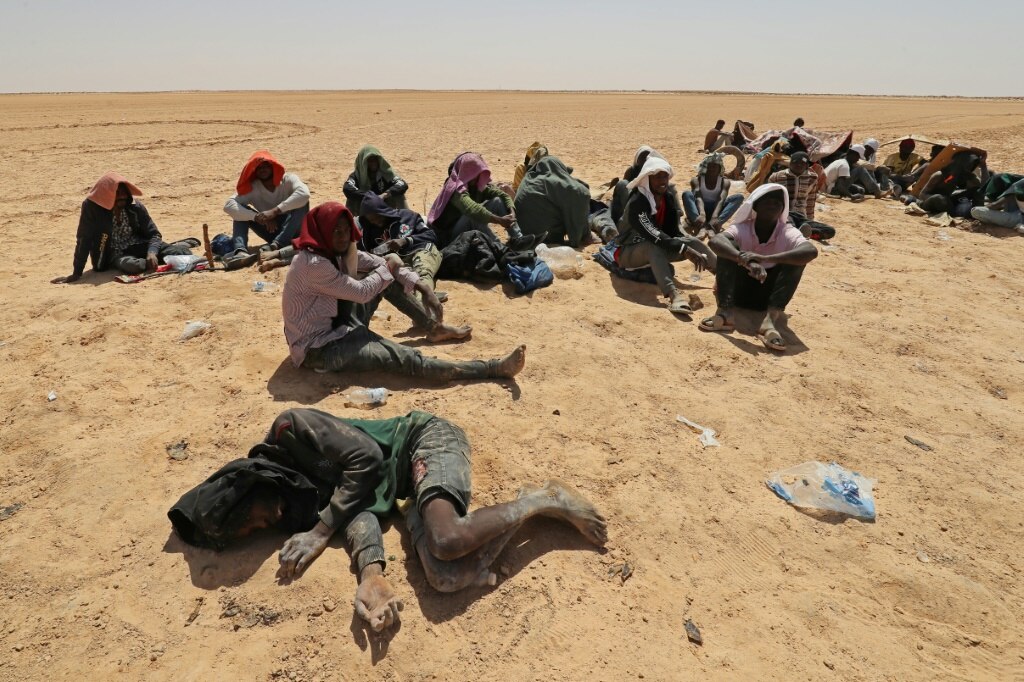
Despite the progress, significant challenges remain. Libya's southern borders with Niger, Chad, and Sudan span thousands of kilometers of desert terrain that have long been plagued by smuggling networks, armed groups, and informal checkpoints. Reports indicate that Khalifa Haftar's Libyan National Army has tightened its grip on southern border checkpoints, replacing informal rebel-run posts with official ones and restricting fuel exports to neighboring countries. The success of the Sirte agreement will depend on sustained political will from both sides and continued international support to implement the joint operations on the ground.
The border security agreement comes at a critical time as Libya seeks to stabilize its institutions ahead of anticipated elections, with control over borders and smuggling routes remaining one of the most contentious issues between the country's rival administrations.