
خاتم التسبيح الذكي
وفر 23%! اشترِ خاتم التسبيح الذكي بسعر 278.4 د.ل فقط في ليبيا. متوفر حالياً، الد
🛒 تسوق الآن Libya Press
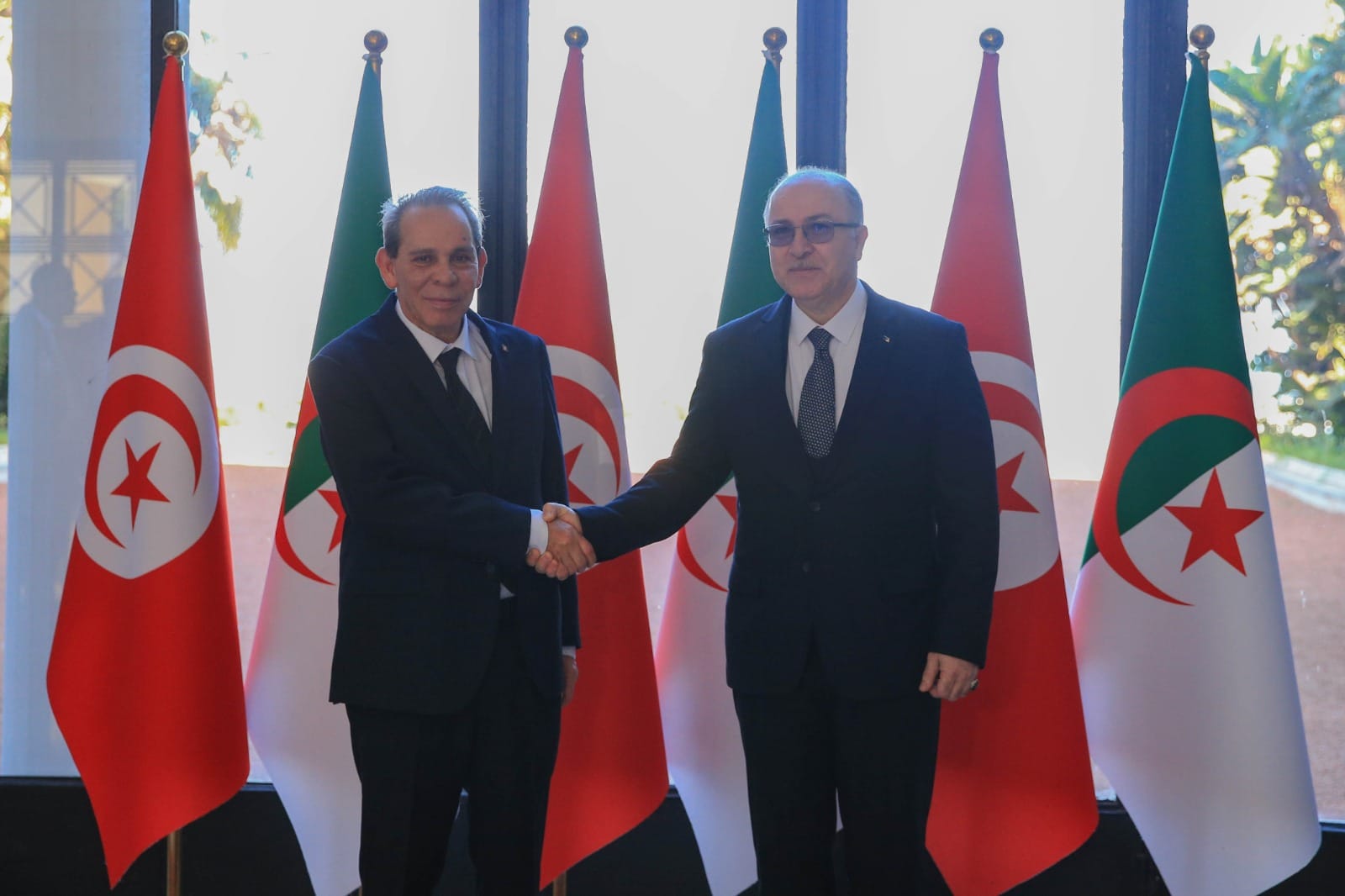
The Libyan Mini-Committee (4+4) held its sixth meeting on Tuesday, July 14, 2026, in the Tunisian capital under the auspices of the United Nations Support Mission in Libya (UNSMIL), achieving progress on compiling the final agreement terms for conducting long-awaited presidential and parliamentary elections.
The meeting marked a significant step forward in the UN-facilitated political process, with committee members adopting a new consensus mechanism to break the deadlock over the presidency of the High National Elections Commission (HNEC), according to a statement from the UN mission.
The committee agreed on a new mechanism to reach a consensual candidate for the presidency of the High National Elections Commission, after delays in implementing the previously agreed-upon mechanism. This breakthrough addresses one of the most contentious issues that had stalled progress in earlier rounds.
"The participants incorporated the majority of agreed-upon points into the final agreement," UNSMIL stated, adding that "the consensus mechanism for the Elections Commission presidency was a key achievement of this round."
Building on understandings reached in previous sessions regarding the legal framework for elections, committee members focused on formulating the final agreement articles. The agreement covers the constitutional and legal arrangements necessary to pave the way for presidential and parliamentary elections that Libyans have been awaiting since the failed 2021 attempt.
The committee previously reached agreements on restructuring the High National Elections Commission and on the electoral laws governing both presidential and parliamentary races, though these have not yet been made public.
The Mini-Committee is composed of eight members representing Libya's key political institutions: two members from the House of Representatives, two from the High Council of State, two selected by the Government of National Unity in Tripoli, and two appointed by the General Command of the armed forces in Benghazi.
This balanced representation aims to ensure that Libya's divided political landscape has a voice in the negotiations, bridging the gap between the country's eastern and western institutions.
In its fifth meeting on July 6, 2026, the committee tasked a working group from among its members, supported by UNSMIL, with compiling the final agreement document. That round was described by the UN mission as having taken place in "positive and constructive atmospheres" that led to "important understandings."
The participants in that earlier session renewed their commitment to previous agreements and completed discussions on all outstanding issues, setting the stage for Tuesday's progress on the final wording.
UNSMIL confirmed that the seventh meeting of the Mini-Committee has been scheduled for the first week of August 2026. The upcoming round is expected to finalize the remaining items and potentially sign the final agreement, moving Libya closer to electoral milestones that have proven elusive since the collapse of the 2021 election process.
The seventh meeting, according to the UN mission, will "complete the remaining work of the Mini-Committee" and put the final touches on the agreement that could chart a path toward unifying Libya's fractured political landscape.
Libya has been mired in political division since 2014, with two competing legislative bodies — the House of Representatives and the High Council of State — and two governments: the internationally recognized Government of National Unity in Tripoli and another appointed by the House of Representatives in Benghazi.
The failure to hold elections in December 2021 was attributed to disputes over electoral laws, disagreements over candidacy criteria, and the emergence of controversial figures in the presidential race. Since then, Libyans have continued to call for a return to the ballot box as the only viable path to lasting stability.
The UN-facilitated process, centered on the Mini-Committee talks in Tunis, represents the most concrete effort in months to resolve the political impasse and establish a unified electoral framework that all major Libyan stakeholders can accept.
— Libya Press / News Desk