
صندوق غداء حراري مع حقيبة محمولة
وفر 43%! اشترِ صندوق غداء حراري مع حقيبة محمولة بسعر 222.72 د.ل فقط في ليبيا. مت
🛒 تسوق الآن Libya Press
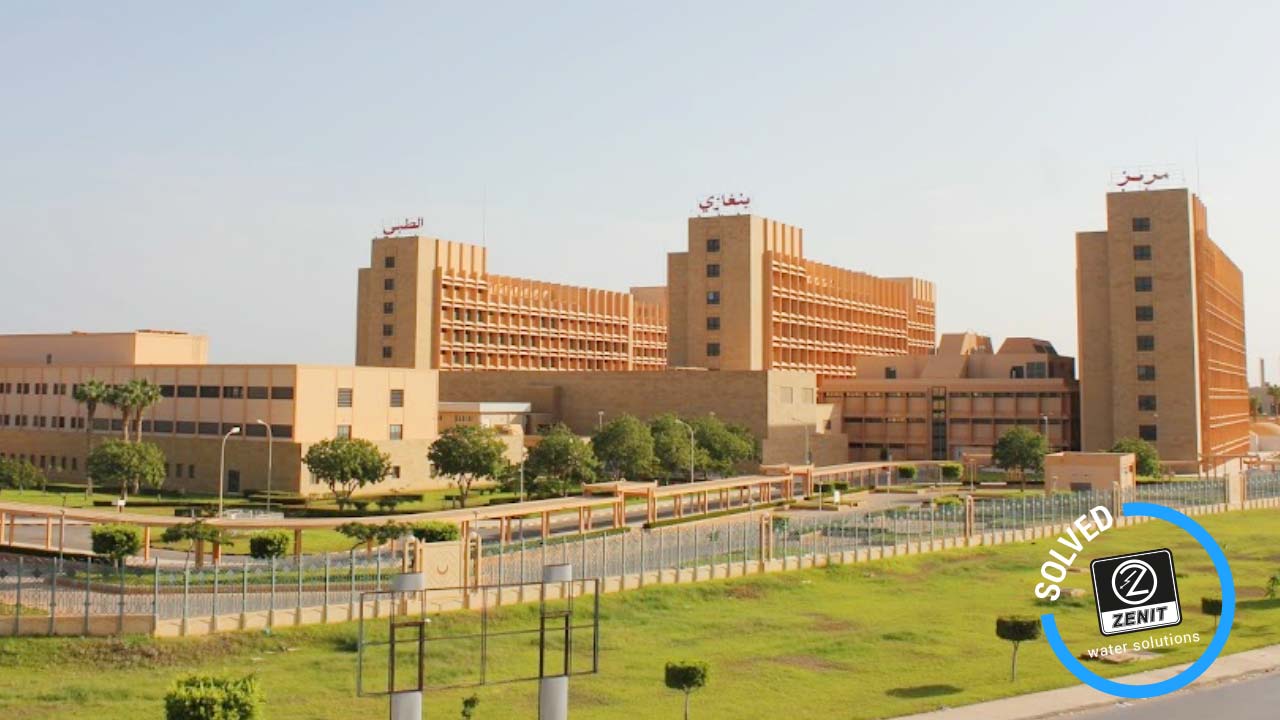
3 new measures were approved today by the Scientific Committee at Benghazi Medical Center, marking a significant step forward in efforts to enhance health services across Libya's eastern region. The reforms aim to strengthen clinical performance and raise the quality of patient care inside the facility, which serves over 60% of Benghazi's population.
The decision comes amid growing demands from citizens and healthcare professionals for improved medical infrastructure in Benghazi, Libya's second-largest city with an estimated population exceeding 800,000 residents. The measures were finalized during an emergency session of the Scientific Committee held at the center's main campus.
The Scientific Committee at Benghazi Medical Center outlined a framework focused on restructuring internal workflows and upgrading clinical protocols. According to official statements released today, the adopted measures target three core areas of hospital operations.
Benghazi Medical Center has faced significant operational challenges in recent years, including overcrowding, supply shortages, and staffing gaps that have strained the facility's capacity. The center remains the primary referral hospital for eastern Libya, handling complex cases from across the region.
Alexandre Dieulot, a healthcare development consultant involved in regional medical infrastructure projects, noted that the reforms represent a meaningful shift toward systematic improvement. "The Scientific Committee's decision to adopt structured service measures is exactly what Benghazi's healthcare system needs right now — clear standards, accountability, and a roadmap for measurable progress," Dieulot stated.
The Libyan-Tunisian agreement, also signed this week, complements the internal reforms by bringing external investment and expertise to Benghazi's medical infrastructure. The first joint project involves the construction of a dedicated paediatric surgery unit, which is expected to reduce the need for medical travel abroad by approximately 30% for families in eastern Libya.
Dr. members of the Scientific Committee emphasized that the measures were developed through extensive consultation with department heads and frontline medical staff. "These are not top-down directives — they reflect the actual needs identified by our doctors and nurses who work in these wards every day," a senior committee member explained during today's press briefing.
The committee confirmed that implementation will be phased over the next 6 months, with the first round of staff training programs scheduled to begin within 3 weeks. Independent monitoring teams will assess progress at regular intervals.
For the residents of Benghazi and surrounding areas, these reforms could fundamentally transform access to quality healthcare. Libya's healthcare system has endured years of underinvestment, and Benghazi — as the country's second-largest city — has borne a disproportionate burden of medical service gaps.
The adoption of new health service measures at Benghazi Medical Center signals a broader trend of institutional reform across Libya's public hospitals. If successfully implemented, these reforms could serve as a model for other major medical facilities in Tripoli, Misrata, and beyond.
The Scientific Committee will publish detailed implementation guidelines within the coming days, with full rollout expected across all departments by the end of this quarter. Citizens can track progress through the center's official communications channels.
These reforms represent a tangible opportunity for Benghazi's healthcare system to deliver on its promise of quality care for every patient — a promise that thousands of Libyan families are counting on.
— LibyaPress / Health Desk
===END_ENGLISH===