
عطر التبغ العربي 100 مل
وفر 46%! اشترِ عطر التبغ العربي 100 مل بسعر 213.89 د.ل فقط في ليبيا. متوفر حاليا
🛒 تسوق الآن Libya Press
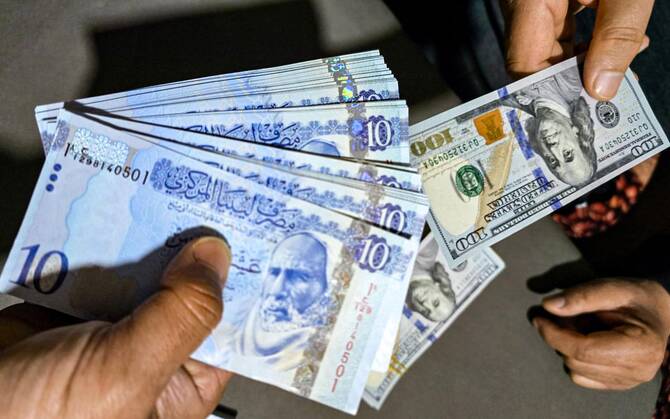
Libya's economic sector is witnessing renewed government attention as the Ministry of Economy and Trade unveils its latest plans and programs. The first session of the Government Communication Conference, hosted by Minister of Economy and Trade Suhail Abu-Shiha, showcased the ministry's priorities and its roadmap for economic development in the coming period. This comes at a critical time when Libyans are closely monitoring the performance of the Libyan dinar against the US dollar in both the official and parallel markets.
The inaugural session of the Government Communication Conference brought together officials and media representatives to discuss the Ministry of Economy and Trade's agenda. Minister Abu-Shiha presented the ministry's strategic plans, focusing on trade regulation, economic reform, and measures to stabilize the domestic market. The conference aimed to enhance transparency between government institutions and the public, a step that economic analysts say is essential for restoring confidence in Libya's financial system.
The exchange rate of the US dollar against the Libyan dinar remains a top concern for citizens and businesses alike. The gap between the official exchange rate and the parallel (black market) rate continues to pose challenges for importers, traders, and ordinary Libyans. Economic experts stress that narrowing this gap requires comprehensive reforms, including unified fiscal policies and a consolidated banking system. The Central Bank of Libya has been working on measures to stabilize the currency, but progress remains slow amid ongoing political divisions.
A preliminary study on Libya's economy, conducted under the Libyan Economic and Social Dialogue project managed by the United Nations Economic and Social Commission for Western Asia (ESCWA), has highlighted the structural challenges facing the country. The study examines the reality of Libya's oil-dependent economy, the impact of years of conflict on infrastructure, and the prospects for sustainable development. According to the ESCWA framework, the dialogue project aims to bring together Libyan stakeholders from various sectors to forge consensus on economic reforms and social policies that can drive the country forward.
Economic stability directly affects the daily lives of millions of Libyans. From the price of bread to the cost of fuel, the health of Libya's economy determines the standard of living across the country. The government's renewed focus on economic planning, combined with international support from organizations like ESCWA, offers a glimmer of hope. However, experts caution that without genuine political unity and institutional reform, economic recovery will remain elusive. Citizens are calling for concrete actions — not just conferences — to address inflation, unemployment, and the cost of living.
In the coming weeks, all eyes will be on the Ministry of Economy and Trade to see whether the plans announced at the Government Communication Conference translate into tangible policies. Key indicators to monitor include the dollar-dinar exchange rate in both official and parallel markets, new trade regulations, and any progress on the ESCWA-backed economic dialogue. For LibyaPress readers, staying informed about these developments is the first step toward understanding how economic decisions shape the future of the nation. Libya's economic story is far from over — and the next chapter depends on the choices made today.
— LibyaPress / Economy Desk