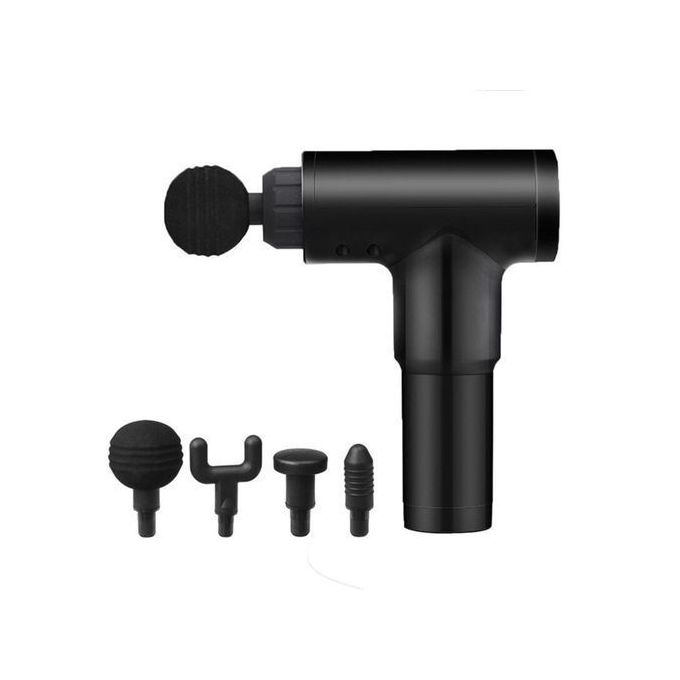
جهاز التدليك
وفر 26%! اشترِ جهاز التدليك بسعر 290 د.ل فقط في ليبيا. متوفر حالياً، الدفع عند ا
🛒 تسوق الآن Libya Press
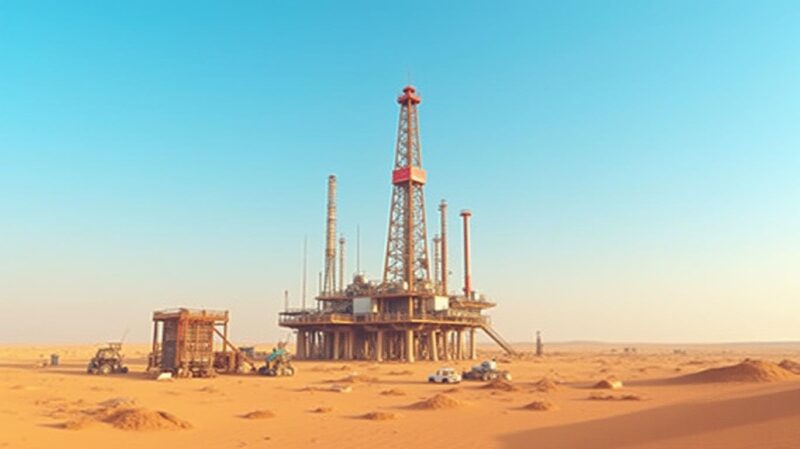
The Mabrouk Oil Operations Company announced on June 15, 2026, that the Mabrouk oil field has officially resumed full production capacity at 30,000 barrels per day. The restart marks the successful completion of a comprehensive trial phase that followed extensive maintenance and redevelopment work at one of Libya's most strategically important oil assets.
The National Oil Corporation confirmed the milestone on Sunday, stating that operational and production capacity tests began immediately after maintenance crews finished critical upgrades to the field infrastructure. The trial period, which evaluated flow rates, equipment reliability, and safety protocols, has now concluded with all targets met.
The Mabrouk oil field is operated by Mabrouk Oil Operations, a joint venture between three major stakeholders. Libya's state-owned National Oil Corporation holds a 50% stake, France's TotalEnergies controls 37.5%, and Norway's Equinor owns the remaining 12.5%. This partnership reflects Libya's strategy of leveraging international expertise and capital to modernize its oil infrastructure.
According to Global Energy Monitor data, the Mabrouk Redevelopment project has a design production capacity of 9.12 million barrels per year. Current production levels of 30,000 bpd represent a significant step toward reaching that ceiling as additional wells come online and infrastructure optimization continues.
The successful restart of Mabrouk sends a strong signal to global energy markets about Libya's ability to bring major oil assets back online after periods of disruption. The field had undergone significant redevelopment work to restore and enhance production capabilities that had degraded during years of operational challenges.
"The completion of the trial period for the successful restart of the Mabruk oil field demonstrates the effectiveness of the joint venture model in Libya's energy sector," industry analysts noted, pointing to the collaboration between NOC and its international partners as a blueprint for future field redevelopments across the country.
Libya's economy remains heavily dependent on oil revenues, which account for the vast majority of government income and foreign currency earnings. Every major oil field that returns to full production directly strengthens the country's fiscal position and supports public spending on infrastructure, healthcare, and education.
The Mabrouk restart comes at a critical time when Libya is pushing to expand its total oil output toward pre-disruption levels. With global energy demand remaining robust, increased Libyan production benefits not only the national economy but also contributes to global supply stability. For ordinary Libyans, sustained oil production translates into more stable fuel supplies, stronger public finances, and greater economic opportunity.
With the trial phase complete, the focus now shifts to ramping up toward the field's full design capacity. Additional drilling campaigns and infrastructure investments are expected in the coming months as the joint venture partners work to maximize output. The success at Mabrouk could also accelerate redevelopment plans at other dormant fields across Libya's vast oil basin.
As Libya continues to rebuild its energy sector, the Mabrouk oil field stands as a testament to what international cooperation and sustained investment can achieve. For a nation working to secure its economic future, every barrel counts.
— LibyaPress / Economy Desk