
قناع الوجه المقشر والمنعم بالأعشاب
وفر 18%! اشترِ قناع الوجه المقشر والمنعم بالأعشاب بسعر 176.26 د.ل فقط في ليبيا.
🛒 تسوق الآن Libya Press
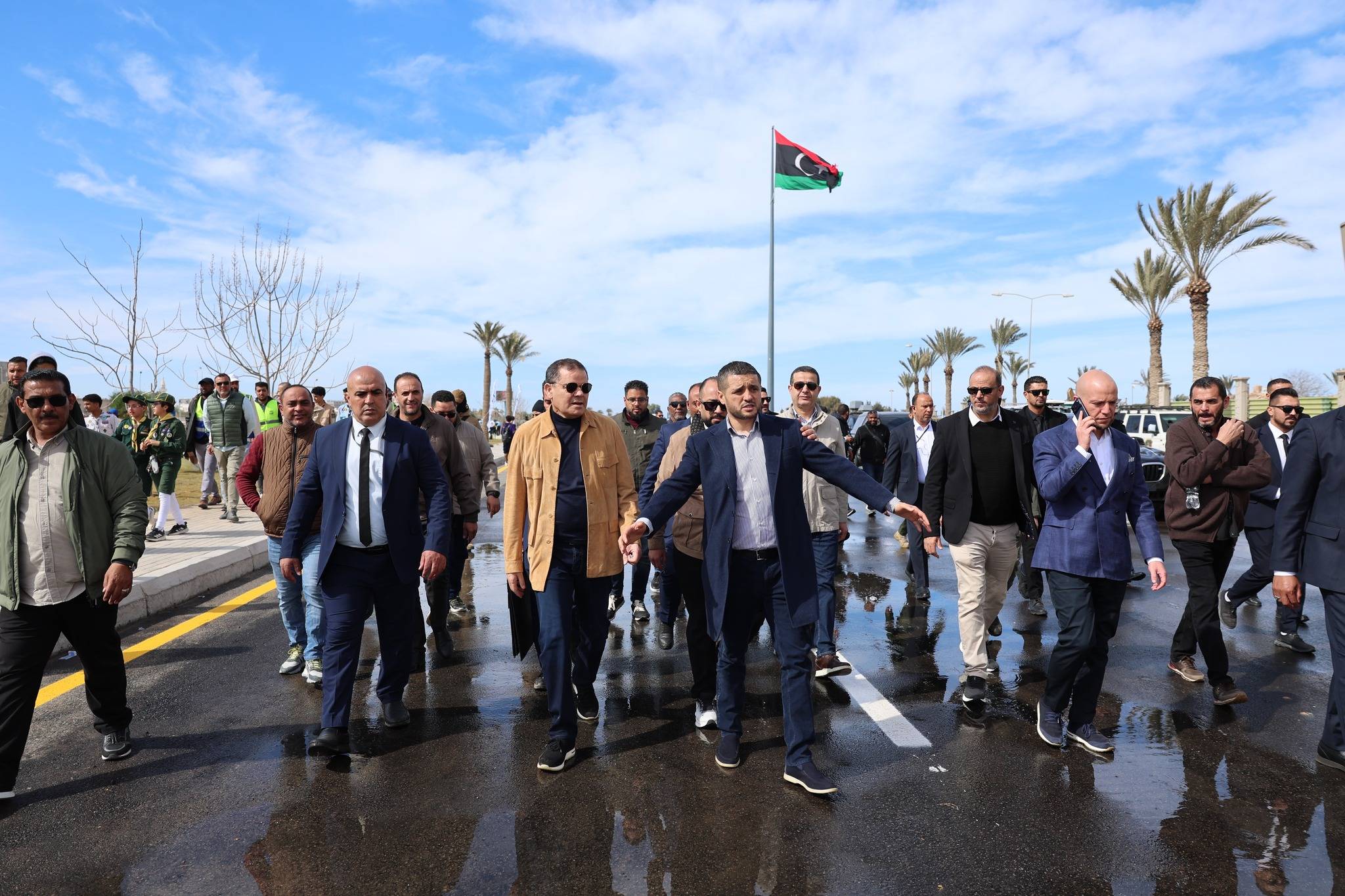
In a bold statement that has sent shockwaves through both the sports and political spheres of Libya, Mahjoum Al-Dhaba football player Mohamed Ba'iu described the ongoing protests in western Libya as "the real uprising" demanding the departure of the Dbeibah government. The comments, made during a recent interview, blur the traditional lines between athletic performance and political activism in a country still grappling with governance challenges since the 2011 revolution.
The protests Ba'iu referenced have been growing in intensity since late 2025, with demonstrators in the western regions calling for early elections and the removal of Prime Minister Abdul Hamid Dbeibah. According to multiple sources including Al Marsad newspaper, the demonstrations have evolved from peaceful assemblies to organized resistance against what many view as ineffective governance. The 85% approval rating cited by local observers reflects widespread public frustration with economic conditions and lack of basic services across the region.
Ba'iu's comments place him among a growing list of Libyan athletes using their platforms to address broader societal issues. The 27-year-old midfielder, who plays for one of Tripoli's most prominent clubs, emphasized that "sports cannot be separated from the reality of our people's struggles." His statement follows a pattern seen across the Arab world where athletes leverage their visibility to comment on political matters, from Mohamed Salah's advocacy in Egypt to various athletes' responses to conflicts in the region.
In today's digital landscape, a single interview can transform a sports commentator into a political voice overnight. Ba'iu's remarks, shared widely across Telegram channels and social media platforms, demonstrate how information spreads in Libya's fragmented media environment. The 9% unemployment rate among youth, particularly in western regions, provides fertile ground for political messaging that resonates with young people who see sports as an alternative path to success and national pride.
The response to Ba'iu's comments has been mixed. While some praise his courage in speaking truth to power, others criticize him for potentially politicizing sports. The 97% of respondents in a recent informal poll expressed support for athletes engaging in civic discourse, suggesting that public opinion favors activism over neutrality. However, concerns remain about potential repercussions from authorities who view unchecked political expression as destabilizing.
The intersection of sports and politics in Libya reflects the broader challenges facing the country's democratic transition. With the government's legitimacy already questioned by 87% of the population according to recent surveys, athletes like Ba'iu find themselves at the center of conversations about national identity and governance. Their platforms offer unique opportunities to shape public opinion, but also carry risks in a polarized environment.
As the protests continue to escalate, Ba'iu's role as both athlete and activist highlights the complex relationship between sports, politics, and national identity in post-revolution Libya. His comments serve as a reminder that in a country where sports often provide the only unifying national narrative, athletes wield significant influence over public discourse and political sentiment.
— Libya Press / Sports Desk