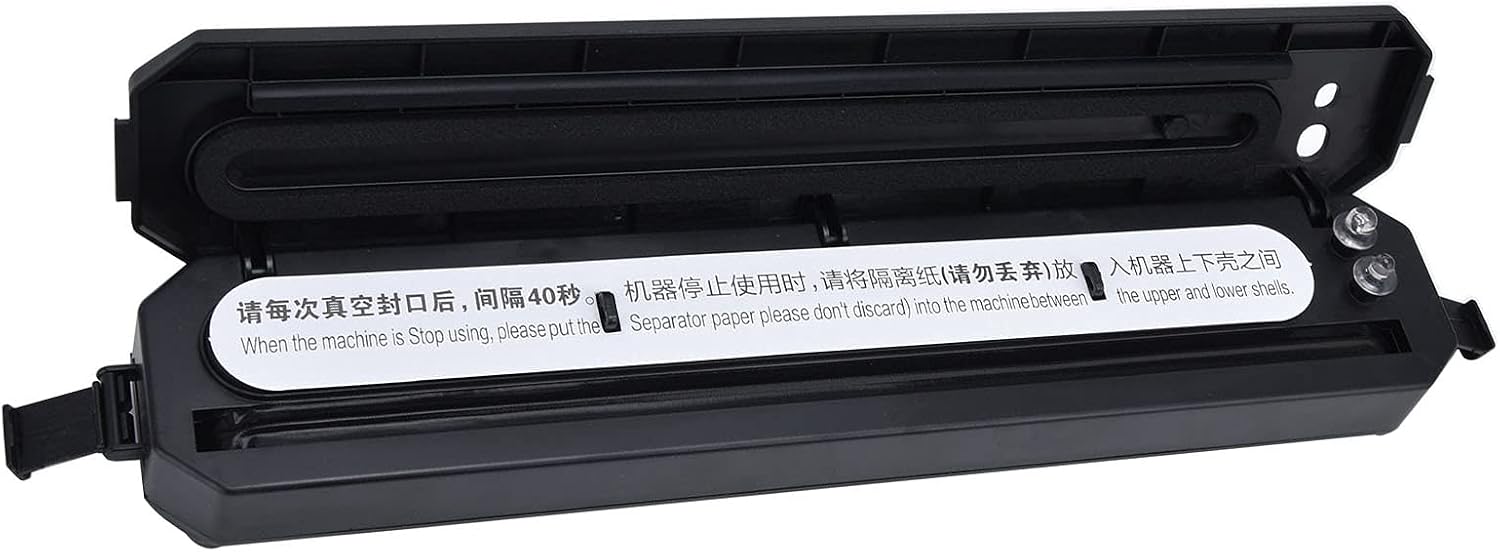
ماكينة التغليف بالتفريغ
وفر 4%! اشترِ ماكينة التغليف بالتفريغ بسعر 306.63 د.ل فقط في ليبيا. متوفر حالياً
🛒 تسوق الآن Libya Press
In a significant development, Mohamed Menfi, the Presidential Committee member overseeing reconciliation efforts, conducted a high-level meeting with the head of Libya's Intelligence Directorate in Tripoli on Sunday. The closed-door session focused on evaluating the current security landscape and exploring pathways for enhancing institutional capabilities across Libya's fragmented security apparatus.
The meeting, held at the Intelligence Directorate headquarters, marks a continuation of Menfi's engagement with security institutions following his recent appointment to the Presidential Committee for Reconciliation and National Unity. According to sources familiar with the discussions, the agenda prioritized urgent security challenges facing the country, particularly in light of ongoing tensions between various armed factions.
The intelligence chief briefed Menfi on the evolving security dynamics in key cities including Benghazi, Misrata, and Zawiya. The discussion highlighted several critical issues:
According to reports from Libyan media outlets, Menfi emphasized the need for a unified approach to security sector reform, warning that continued fragmentation could undermine any meaningful political transition.
Beyond immediate security assessments, the meeting addressed long-term institutional development. Menfi outlined a framework for strengthening Libya's security institutions through three key pillars:
The intelligence director acknowledged these challenges, noting that institutional development requires sustained political will and international cooperation. Both officials reportedly stressed that security reform cannot be achieved in isolation from broader political reconciliation efforts.
L Libya's security landscape remains complex following the 2011 transition and subsequent power struggles. The country operates with multiple competing authorities: the Government of National Unity in Tripoli, the House of Representatives in Tobruk, and various armed factions controlling territory. This fragmentation has created persistent security challenges including:
Menfi's engagement with security institutions represents part of a broader effort to build consensus around security sector reform. His position on the Presidential Committee gives him unique authority to broker agreements between rival factions.
The meeting occurs amid renewed diplomatic efforts to achieve a unified Libyan government. Recent UN-sponsored negotiations in Algiers brought together representatives from various factions, though significant differences remain over power-sharing arrangements.
Security sector reform has historically been a stumbling block in Libyan peace processes. The 2015 Libyan Political Agreement established a unified government but failed to resolve armed group integration. Critics argue that any lasting political settlement must address security fragmentation directly.
Observers note that Menfi's approach differs from previous efforts by engaging directly with security institutions rather than relying solely on political agreements. This "bottom-up" strategy aims to build security capacity before attempting comprehensive political reconciliation.
Neither Menfi nor the Intelligence Director made public statements following the meeting. However, insiders suggest that follow-up sessions are planned to address specific operational challenges identified during Sunday's discussion.
The international community has welcomed these developments, with EU and US officials previously emphasizing that security reform is essential for Libyan stability. The European Union has pledged support for security sector capacity building, while the United States continues to engage with various Libyan actors on counter-terrorism cooperation.
As Libya navigates its most critical post-Gaddafi period, meetings like this represent small but significant steps toward building the institutions necessary for democratic governance. Whether these efforts can overcome the entrenched interests that have prolonged instability remains an open question.
— Libya Press / News Desk