
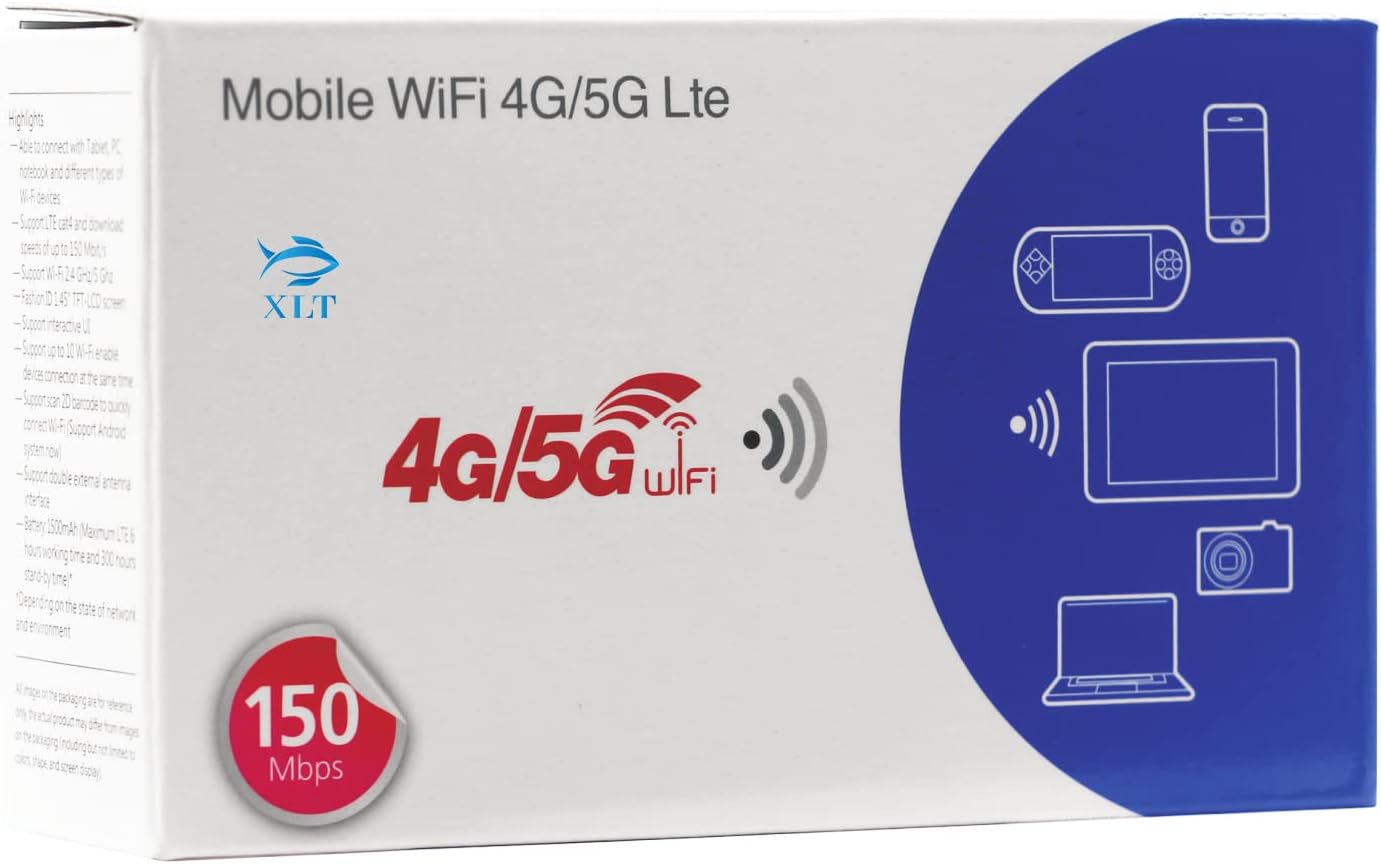
جهاز توجيه واي فاي محمول مزود بفتحة SIM
وفر 46%! اشترِ جهاز توجيه واي فاي محمول مزود بفتحة SIM بسعر 259.2 د.ل فقط في ليب
🛒 تسوق الآن Libya Press
Libya's acting Interior Minister, Emad Al-Trabulsi, has declared maximum readiness across all security units in Tripoli, ordering enhanced security presence and firm action against any attempts to destabilize public order amid growing protests over the electricity crisis.
The directives come as demonstrations have spread across several districts of Greater Tripoli, with citizens protesting prolonged power cuts exacerbated by a summer heatwave pushing temperatures well above seasonal averages.
According to the circular addressed to security agencies, Al-Trabulsi's instructions include comprehensive field measures to manage the security landscape in the capital. The core directives focus on protecting vital facilities and reinforcing field security presence across all districts.
The minister ordered the redeployment of fixed and mobile patrols to protect sensitive facilities, sovereign headquarters, and vital institutions throughout Tripoli. Security sources confirmed that all units have been placed on high alert with immediate effect.
The security escalation follows days of intensifying public anger over electricity outages that have left large parts of the capital without power for extended periods. Protests have been reported in Qasr Bin Ghashir, Tajoura, and Abu Salim, where residents blocked roads and burned tires.
In Abu Salim's Abu Dhar al-Ghiffari district, residents organized a protest vigil on Wednesday evening, demanding urgent intervention. Local council member and Crisis Committee head Al-Siddiq Al-Abbasi visited the site, listened to demands, and contacted the General Electricity Company director to request emergency maintenance teams.
Several Tripoli-area municipalities — including Ain Zara, Tripoli Center, and Abu Salim — declared emergency leave for employees on Thursday as the combination of extreme heat and power cuts made working conditions untenable. Essential service departments were exempted.
The General Electricity Company has come under mounting pressure, with protesters calling for the dismissal of its leadership. Demonstrators accuse the company of failing to implement maintenance programs and manage load-shedding schedules effectively during peak summer demand.
In parallel developments, Presidential Council head Mohamed Al-Menfi held a meeting with the Deputy Head of the Presidential Guard for Support and Reinforcement, along with commanders of Battalions 107 and 32 tasked with securing Tripoli and Mitiga airports. The meeting focused on raising readiness levels as a priority to ensure security stability.
The coordinated response underscores the gravity of the situation as authorities grapple with a power crisis threatening broader instability. The electricity shortage — a chronic issue in post-conflict Libya — has reached critical levels this summer due to insufficient generation capacity, infrastructure damage, and maintenance backlogs.
Analysts suggest that security measures, while necessary, address symptoms rather than the root cause. The underlying electricity crisis requires urgent technical and financial solutions, including fuel supply for power stations, transmission infrastructure rehabilitation, and investment in generation capacity.
With summer temperatures expected to remain high for several more weeks, pressure on both the power grid and public patience is likely to continue. The coming days will test whether security directives can maintain calm while authorities work to restore reliable electricity service to the capital.
— Libya Press / News Desk
