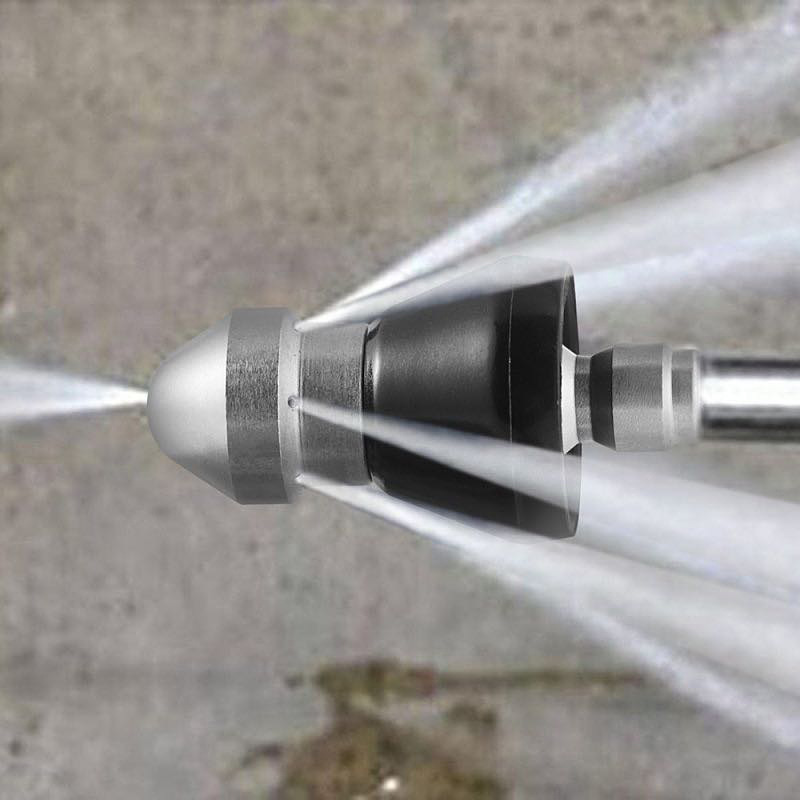
مزيل الرؤوس السوداء
وفر 25%! اشترِ مزيل الرؤوس السوداء بسعر 206.6 د.ل فقط في ليبيا. متوفر حالياً، ال
🛒 تسوق الآن Libya Press
Libya's Presidential Council has announced a comprehensive framework to address the country's protracted political deadlock, responding to weeks of public demonstrations across major cities including Tripoli and Tobruk. The plan comes as Libya remains split between two rival governments, with the mandate of the Government of National Unity expiring on June 22, 2026.
The Presidential Council confirmed in an official statement that the initiative follows "numerous meetings between its members," resulting in a "general framework for an action plan to address the political impasse in the country." While full details remain undisclosed, the council emphasized that the plan focuses on preserving national unity, ending the specter of war, resolving the institutional divide, limiting foreign interference, and advancing toward a nationally owned political solution.
The announcement comes after weeks of intensifying public demonstrations. Protesters in Tripoli, Tobruk, and other cities have taken to the streets, blocking roads and burning tires while demanding the departure of all political figures and the acceleration of general elections. The protests reflect growing public frustration with the political class's inability to resolve Libya's decade-long crisis.
Political party leaders and civil society groups had been calling on the Presidential Council to intervene and push for elections as soon as possible. The council had faced accusations of failing to play an effective political role in resolving the crisis, despite possessing the necessary tools to contribute to a political solution.
Libya's political fragmentation centers on two competing administrations. The Government of National Unity (GNU) led by Prime Minister Abdul Hamid Dbeibeh operates from Tripoli. Dbeibeh has consistently refused to hand over power except to an elected government. Meanwhile, the House of Representatives appointed Fathi Bashagha as prime minister in February 2026, granting him confidence in March. Bashagha's government operates temporarily from Sirte, in central Libya, after being prevented from entering Tripoli despite multiple attempts.
The roadmap that brought Dbeibeh's government to power officially expired on June 22, 2026, further complicating the legal and political landscape. Bashagha has repeatedly stated that "all roads to Tripoli are open," signaling his determination to assume authority in the capital.
Political analysts have greeted the Presidential Council's initiative with cautious optimism. Many question whether the plan can succeed where previous efforts have failed. The lack of detailed implementation mechanisms has drawn criticism from some quarters, while the main political factions have yet to issue formal responses.
Members of the House of Representatives have previously expressed skepticism about the council's role, particularly after controversial statements regarding the burning of the parliament building in Tobruk. The divide between the legislative and executive branches remains one of the most significant obstacles to any political settlement.
The Presidential Council's plan explicitly addresses the need to limit foreign interference, a persistent factor in Libya's conflict. Various international actors have maintained influence through military support, economic leverage, and political backing for different Libyan factions. The council's call for a "national solution" signals an attempt to reclaim Libyan sovereignty over the political process.
The United Nations Support Mission in Libya (UNSMIL) has consistently called for a return to the political track and the organization of elections. International observers note that any sustainable solution must address both the political impasse and the underlying economic grievances driving public discontent.
As of late July 2026, the Presidential Council has not published the full details of its plan or announced a timeline for implementation. The success of the initiative will depend on the willingness of Libya's rival political factions to engage constructively and the ability of the council to translate its framework into concrete action.
For ordinary Libyans, the announcement represents a glimmer of hope after months of deteriorating living conditions, electricity shortages, and political uncertainty. Whether this initiative will break the cycle of deadlock or join the list of previous failed attempts remains to be seen.
— Libya Press / Politics Desk