
عبوة من 12 لاصقة لعلاج عرق النسا
وفر 18%! اشترِ عبوة من 12 لاصقة لعلاج عرق النسا بسعر 189 د.ل فقط في ليبيا. متوفر
🛒 تسوق الآن Libya Press
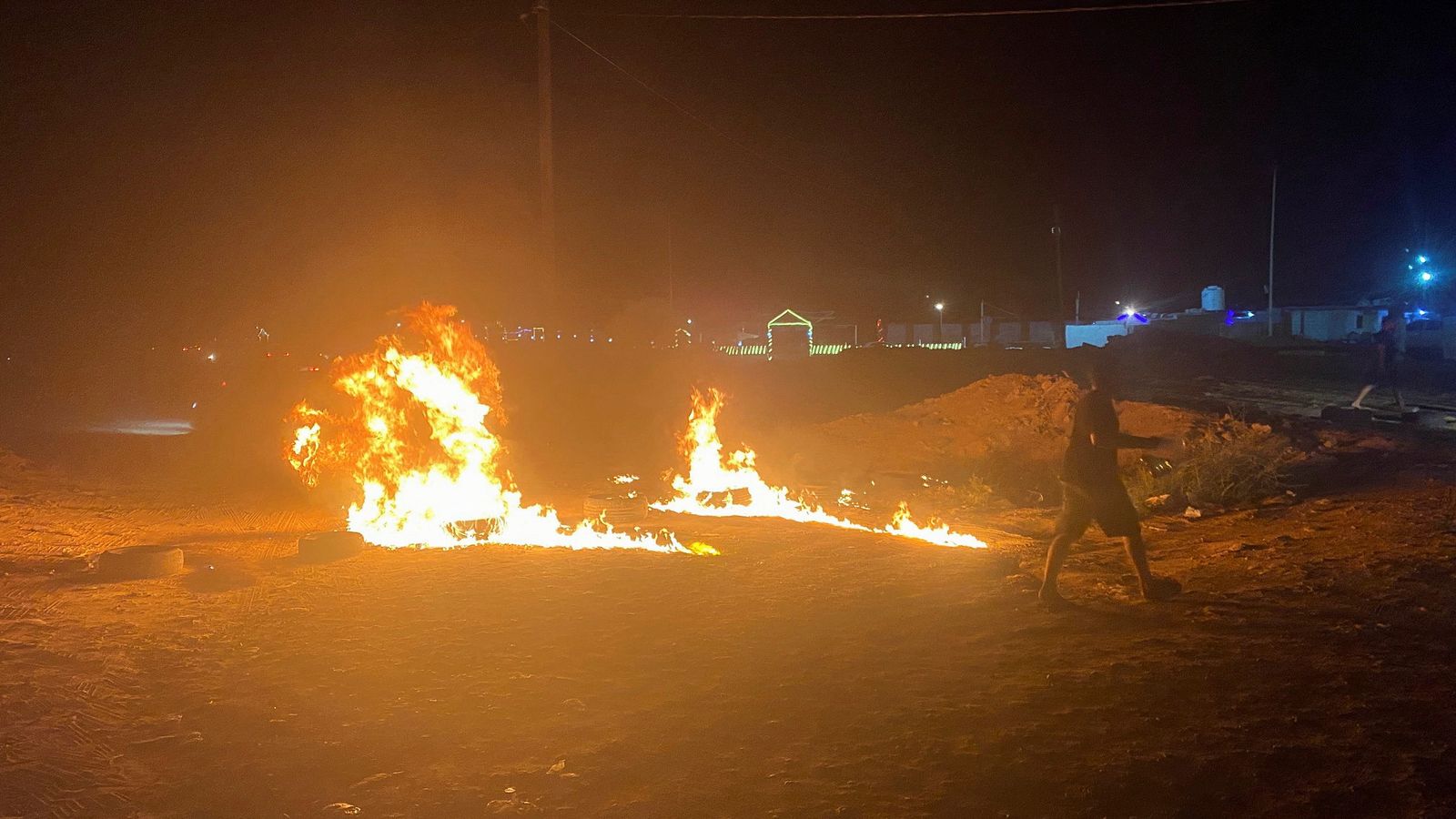
Libya's Presidential Council Head Mohamed al-Menfi on Friday declared that any targeting of sovereign headquarters and state institutions will not be tolerated, following a wave of violent riots that swept through the capital Tripoli and the city of Tarhuna after a Libyan Premier League football match between Al-Ittihad and Al-Suwaihli. The unrest left at least one person dead and several injured, prompting a sweeping security response and the arrest of multiple suspects.
Al-Menfi held an emergency meeting with Tripoli Security Director Major General Khalil Waheiba to review the security situation after Thursday evening's riots. The violence erupted when Al-Ittihad supporters stormed the stadium during their team's championship playoff match against Al-Suwaihli in protest against refereeing decisions, leading to the match's suspension. The unrest quickly spread from Tarhuna to Tripoli, where rioters attacked and set fire to parts of the Government of National Unity headquarters. At least one person was killed and an unspecified number of injuries were reported. The Protection and Security Force of the Prime Ministry, specifically the Al-Mahjoub Martyrs Battalion affiliated with the General Staff Command, announced the arrest of several individuals involved in the storming and vandalism of the GNU building. The force confirmed that infiltrators who fired live ammunition among crowds were also identified and detained, with all suspects handed over to the Internal Security Agency for legal proceedings.
The Presidential Council issued a strongly worded statement on Thursday evening condemning the riots and announcing direct follow-up on the incident's repercussions, demanding a full investigation to identify those involved and hold them legally accountable. Al-Menfi stressed the need to protect civilians and preserve Libya's national assets, stating that recourse to the judiciary and legal institutions remains the correct path for addressing any grievances the sporting public considers legitimate. He emphasized the importance of enforcing order and applying the law, particularly in light of the tensions that followed the match and extended to disturbances in both Tripoli and Tarhuna. The security force stated it would show absolutely no tolerance toward acts of vandalism or attempts to endanger citizens' lives, affirming that the law would take firm action against anyone proven to be involved in inciting or fueling chaos in the capital.
The events highlight Libya's recurring challenge of sports-related violence spilling into broader security crises, with repeated calls for stricter security measures inside and around stadiums to maintain public order. The swift arrests signal a determination by authorities to impose deterrence, but questions remain about the capacity of security forces to prevent such outbreaks in the future. Libya continues to face complex security challenges amid its broader political transition, and incidents of this nature risk further undermining public confidence in state institutions' ability to maintain stability and protect both citizens and government property.
As investigations proceed and the judiciary processes the detained suspects, the coming days will be critical in determining whether the government's firm stance translates into lasting deterrence against the use of sporting events as a trigger for wider civil unrest.