
مكنسة شفط الغبار الاحترافية
وفر 25%! اشترِ مكنسة شفط الغبار الاحترافية بسعر 369 د.ل فقط في ليبيا. متوفر حالي
🛒 تسوق الآن Libya Press
The chairman of the Misrata Free Zone Authority, Mohsen Al-Suqutri, has held talks with India's ambassador to Libya aimed at attracting Indian companies and investors to establish operations in the strategically located zone, as Libya continues to diversify its international economic partnerships amid an ongoing reconstruction drive.
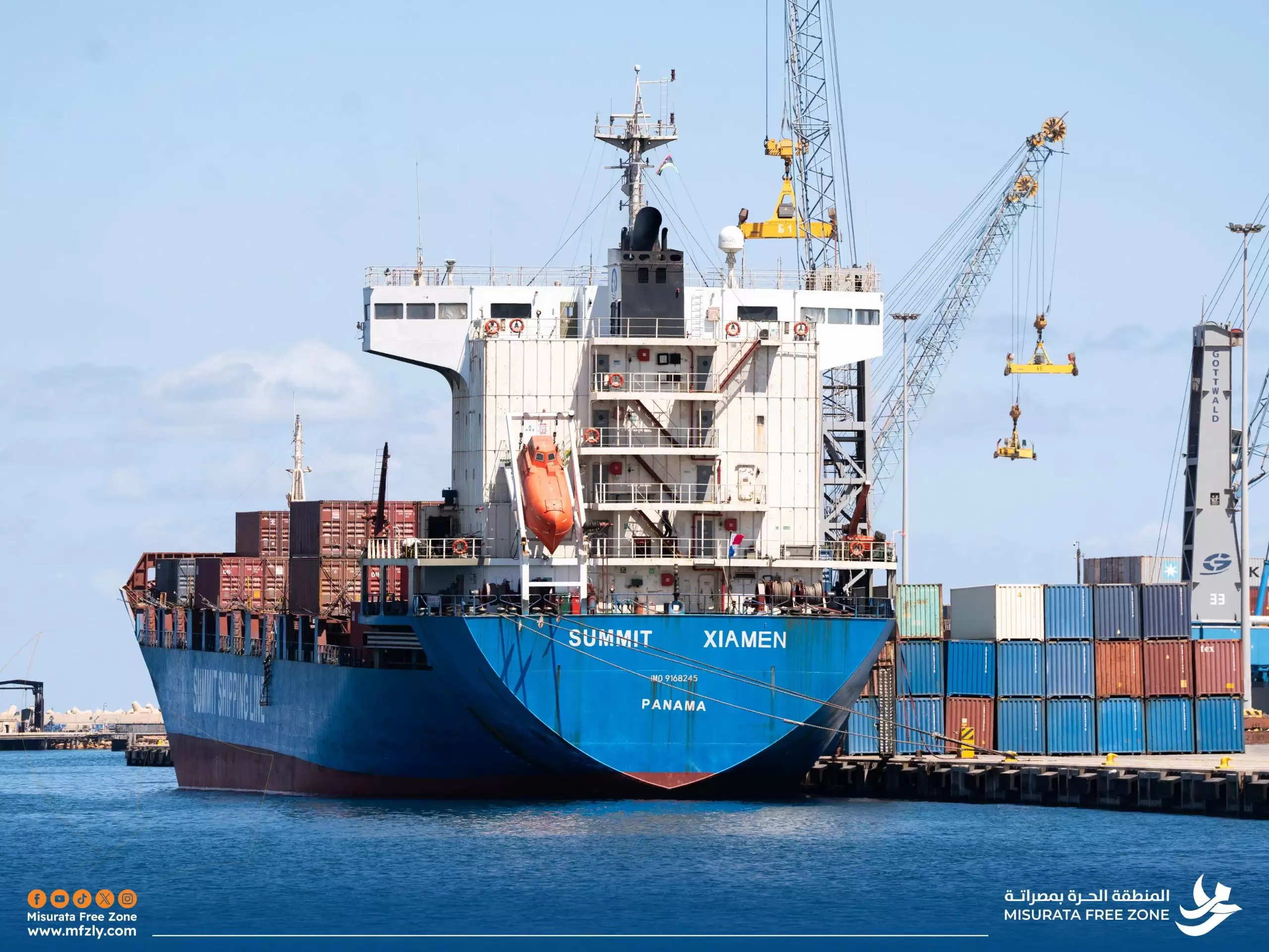
During the meeting, the Indian ambassador received a detailed briefing on the free zone's operational capabilities, investment climate, and infrastructure. The Misrata Free Zone, situated on Libya's Mediterranean coast, offers a strategic gateway for trade and logistics activities with access to regional and international markets across North Africa and Southern Europe. The ambassador was also shown the zone's digital infrastructure and technical capabilities, with particular attention to its digital services platform designed to streamline processes for investors and companies. India's envoy praised the level of development in the zone's systems and their role in supporting digital transformation and improving service efficiency.
The push for Indian investment comes as Libya actively seeks to broaden its base of international economic partners. Prime Minister Abdel Hamid Aldabaiba recently described China as a strategic partner in Libya's reconstruction phase during a Libyan-Chinese dialogue session, signaling a wider strategy of courting major emerging economies. Meanwhile, a Libyan-Turkish Business Forum for Building Materials and Construction Supplies was held in Benghazi in May, drawing several Turkish companies specializing in the building materials sector. These parallel efforts reflect Libya's multi-track approach to attracting foreign direct investment across sectors including energy, housing, infrastructure, and manufacturing.
Despite the enthusiasm, significant challenges remain. Libya continues to navigate a complex political landscape with competing administrations, and the broader investment climate is affected by regulatory uncertainty, banking sector limitations, and infrastructure gaps outside designated zones. Analysts note that while free zones offer a more controlled and investor-friendly environment, sustained foreign interest will depend on the government's ability to maintain security, streamline bureaucracy, and honor investment agreements. The Misrata Free Zone's digital infrastructure push could serve as a model for other Libyan economic zones seeking to compete for international capital.
If successful, the partnership between the Misrata Free Zone and Indian investors could mark a significant step in Libya's post-conflict economic diversification, opening new trade corridors between South Asia and North Africa while reducing the country's heavy dependence on oil revenues.