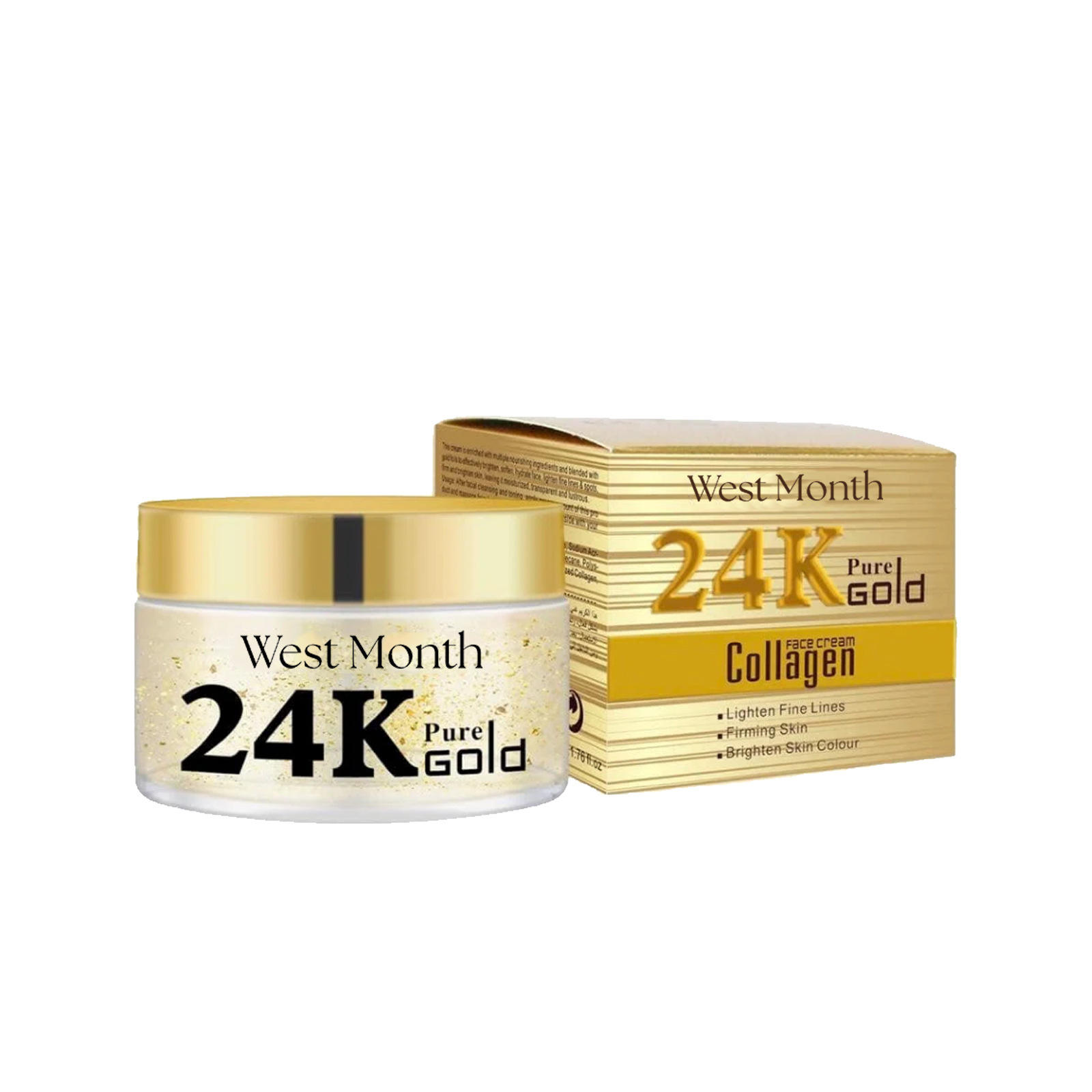
كريم الوجه بالكولاجين والذهب الخالص عيار 24
وفر 18%! اشترِ كريم الوجه بالكولاجين والذهب الخالص عيار 24 بسعر 176.26 د.ل فقط ف
🛒 تسوق الآن Libya Press
After days of scorching temperatures that pushed thermometers past 40°C in multiple Libyan cities, the National Meteorological Center (NMC) has announced a significant shift toward more moderate weather conditions starting this week. The center confirmed that temperatures will drop noticeably compared to the intense heatwave that recently affected vast areas across the country, with rain expected by Friday.
Mohi al-Din Ali, Director of Media at the Libyan National Meteorological Center, confirmed that Libya will experience a marked improvement in weather conditions during the coming period. Speaking to Almashhad Libya, Ali stated that the change will be particularly clear compared to previous days which recorded major temperature spikes in cities including Tripoli, Benghazi, Misrata, and Sabha.
The recent heatwave posed significant health risks, especially for vulnerable populations including the elderly, children, and those with chronic respiratory or cardiovascular conditions. Health authorities had earlier issued warnings urging citizens to stay hydrated, avoid direct sun exposure during peak hours from 11 AM to 4 PM, and check on elderly neighbors living alone.
Temperatures in major cities exceeded 40°C for several consecutive days, leading to increased hospital visits for heat-related illnesses including heat exhaustion, dehydration, and heatstroke symptoms. Pharmacies reported higher demand for rehydration solutions and fever medications. The relief that the NMC now forecasts is welcome news for both public health and daily economic activity across the country.
According to the NMC, rainfall chances are expected beginning Friday, with moderate precipitation likely in coastal areas and some inland regions. The center noted that rainfall combined with the temperature drop would bring further relief and help improve air quality after days of suspended dust particles caused by the hot, dry conditions.
The meteorological authority added that the gradual improvement would continue through the weekend, with summer weather returning to normal seasonal averages without prolonged extreme heatwaves like the one Libya recently experienced. Residents in agricultural areas were encouraged to prepare for the rain, which could benefit crops after the dry spell.
Ali emphasized that any potential return of higher temperatures in the coming weeks will not be as intense or prolonged as the recent heatwave. Current indicators suggest a gradual return to typical Libyan summer conditions — warm but within normal ranges, with no extreme heat events forecast in the immediate future.
The center urged citizens to stay updated on official weather bulletins and follow health guidelines, particularly those working outdoors or planning weekend travel. Farmers were also advised to monitor expected rainfall and take appropriate measures for crops and livestock. Fishermen along the coast were informed about sea state changes expected alongside the weather shift.
Libya's coastal cities including Tripoli, Misrata, and Khoms are expected to see the most noticeable improvement, with temperatures settling in the high 20s to low 30s Celsius by the weekend. Inland and southern regions such as Sabha and Murzuq will remain warmer but still significantly cooler than during the heatwave peak, with expected highs around 35–38°C.
The eastern region, including Benghazi, Derna, and Tobruk, should see moderate temperatures with increased cloud cover and the best chances of rainfall on Friday. Mountain areas of the Green Mountain range may experience even cooler conditions, providing a natural respite for residents and visitors alike.
The moderation in temperatures will provide significant relief for daily routines, from commuting and market activities to school commutes and construction work. In areas where electricity grids have been under strain from increased air conditioning use, the temperature drop will reduce consumption pressure and help stabilize local energy supply.
Local businesses, particularly cafes, restaurants, and outdoor markets that saw reduced foot traffic during peak heat hours, are expected to return to normal activity. The cooler weather also creates more favorable conditions for infrastructure repair and maintenance projects that had been paused due to extreme temperatures.
— Libya Press / Health Desk