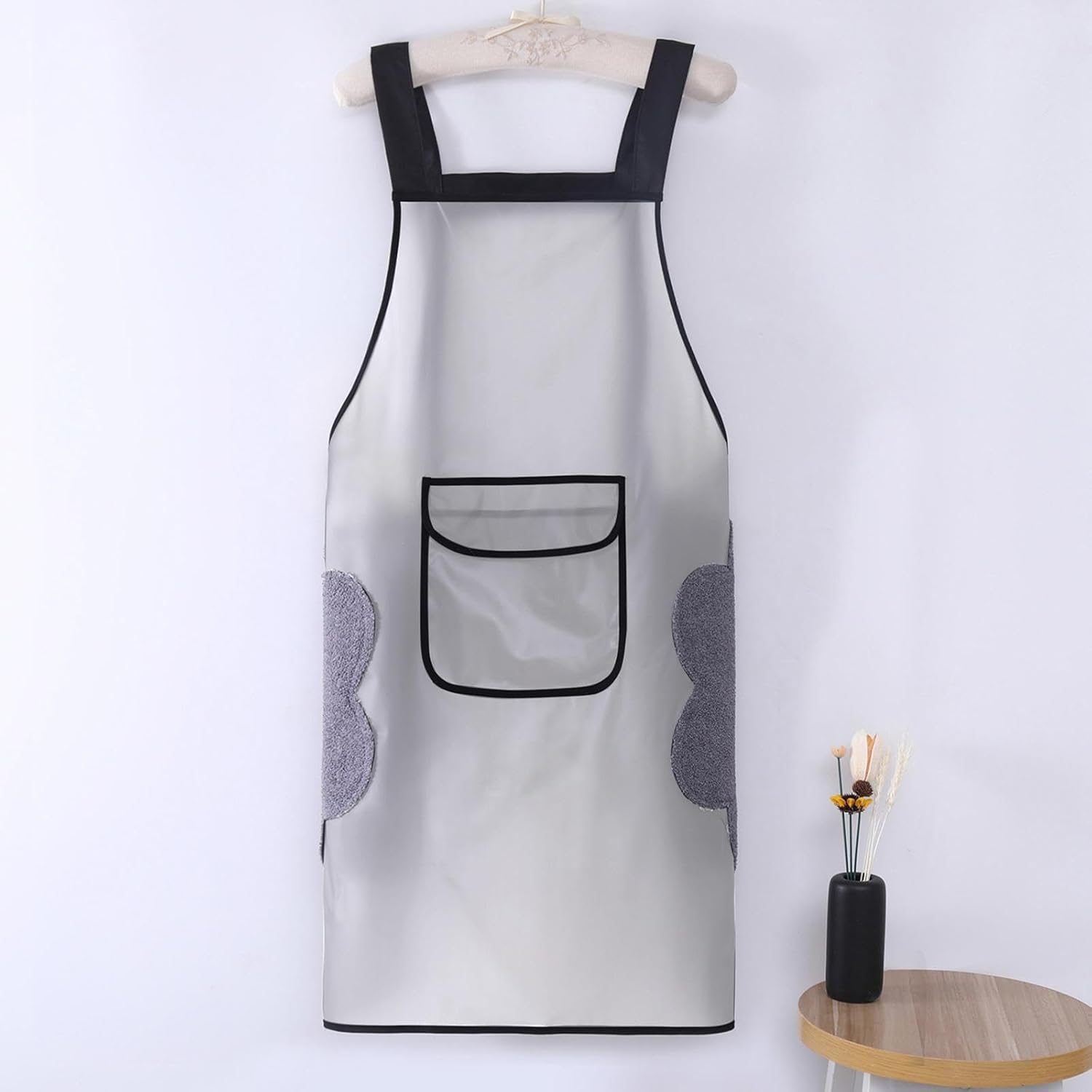
مريلة المطبخ الشفافة
وفر 23%! اشترِ مريلة المطبخ الشفافة بسعر 190.28 د.ل فقط في ليبيا. متوفر حالياً،
🛒 تسوق الآن Libya Press
Mount Etna, Europe's most active volcano, erupted violently on July 5, 2026, sending ash and gas 4.5 kilometers above Sicily. But the July 7 paroxysm created a rare phenomenon — a massive sulfur dioxide (SO2) plume that traveled across the Mediterranean to reach Libya, Tunisia, Algeria, and Egypt.
The Copernicus Sentinel-5P satellite, part of ESA's Earth observation program, captured the plume using its Tropomi instrument. The imagery, published by the ADAM platform, revealed a dense SO2 cloud stretching from Sicily to the North African coast.
The Near Real-Time product from Sentinel-5P showed lighter-colored areas indicating the highest concentrations of volcanic gas. According to La Sicilia newspaper, which published the analysis on July 8, the plume traveled at altitudes between 3 and 6 kilometers, carried by northwesterly winds toward the Libyan coastline.
Libyan outlet Libya24 reported that satellite images from Italy's MeteoWeb platform confirmed "a sulfuric front stretching like a yellow mantle over the blue Mediterranean before touching African soil." The cloud consisted of concentrated sulfuric acid and sulfur dioxide that reacted with water vapor over the sea, forming an extended aerosol layer.
For Libya, a country accustomed to desert dust storms and khamsin winds, this volcanic plume presented a different airborne threat. Northwesterly air currents carried elevated SO2 concentrations toward Benghazi and Tripoli, raising immediate concerns among environmental health experts.
Sulfur dioxide is a strong respiratory irritant. Short-term exposure can cause coughing, throat irritation, and shortness of breath. For individuals with asthma, bronchitis, or other respiratory conditions, elevated levels can trigger acute attacks. While Libyan health authorities have not issued official warnings, experts recommend that vulnerable populations — children, the elderly, and those with respiratory illnesses — limit outdoor exposure until the cloud dissipates.
The WHO reports that short-term exposure to SO2 concentrations above 500 µg/m³ can cause significant airway constriction. Although volcanic plumes typically disperse within days, local coastal concentrations may temporarily exceed safe thresholds.
Beyond immediate health effects, the sulfur plume carries longer-term implications. When SO2 reacts with water vapor in the atmosphere, it forms sulfuric acid aerosols that can fall as light acid rain. Libyan farmers and fishermen are watching closely, concerned about potential impact on crops and marine life.
According to Tunisian meteorological stations, UV radiation readings showed anomalies as sulfur particles absorbed portions of the light spectrum. Similar effects were recorded in Algeria, confirming the cloud's broad reach across North Africa.
Volcanologists at the INGV Etna Observatory noted that while these emissions are within normal activity range, this season's intensity coincided with stable air masses over the Mediterranean, creating conditions for record-distance gas transport. Geologists emphasize that such clouds typically dissipate within days, either settling with light acid rain or dispersing in the upper atmosphere.
The most pressing scientific questions center on the impact on marine plankton and coastal ecosystems, particularly near Libyan river estuaries that serve as fish nursery grounds. Rising Mediterranean temperatures may further complicate volcanic aerosol chemistry.
The Etna sulfur cloud of July 2026 serves as a reminder that the Mediterranean basin is ecologically unified — winds do not respect borders, and volcanic particles do not distinguish between shores. What began as a spectacular eruption over Sicily became a public health event across North Africa.
For Libya, this phenomenon underscores the need for regional air quality coordination. While European space agencies tracked the cloud in near real-time, North African nations remained in observation mode, relying on international data rather than issuing their own health guidance.
As climate scientists warn that rising Mediterranean temperatures could increase transboundary pollution events, Libyan authorities may need to develop rapid-response protocols for volcanic gas events — an unfamiliar threat for a region more accustomed to sandstorms than sulfuric clouds.
— Libya Press / Health Desk