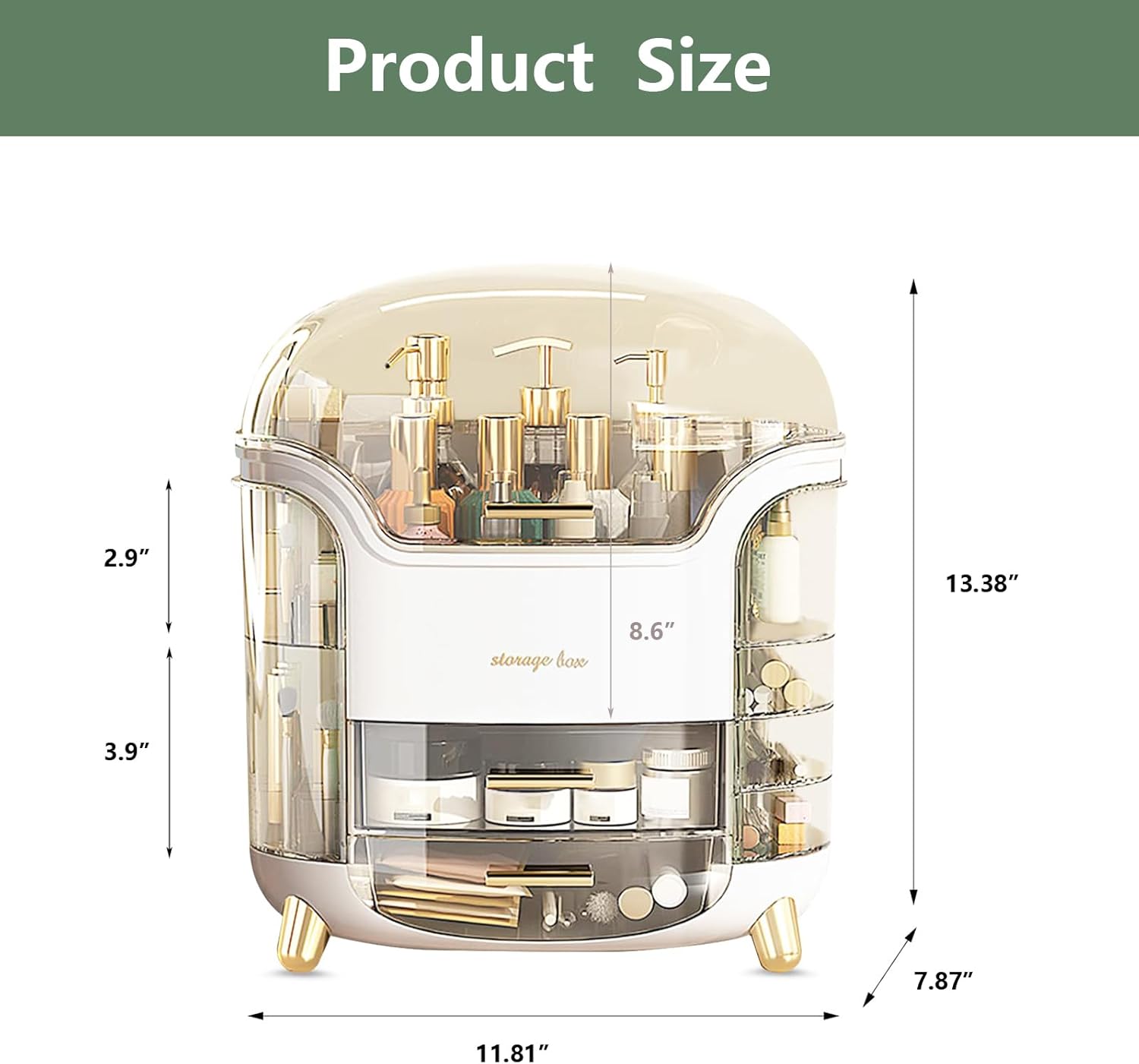
منظم مستحضرات التجميل
وفر 26%! اشترِ منظم مستحضرات التجميل بسعر 345.6 د.ل فقط في ليبيا. متوفر حالياً،
🛒 تسوق الآن Libya Press
More than 14 years after the 2011 uprising, Libya remains fractured along political, regional, and tribal lines. The country has witnessed two competing governments, dozens of armed factions, and a humanitarian crisis affecting over 800,000 people, according to the United Nations Support Mission in Libya (UNSMIL). Yet a growing consensus among Libyan civil society leaders, international mediators, and political stakeholders now points to a single formula for recovery: national reconciliation paired with a merit-based governance framework that prioritizes competence over allegiance.
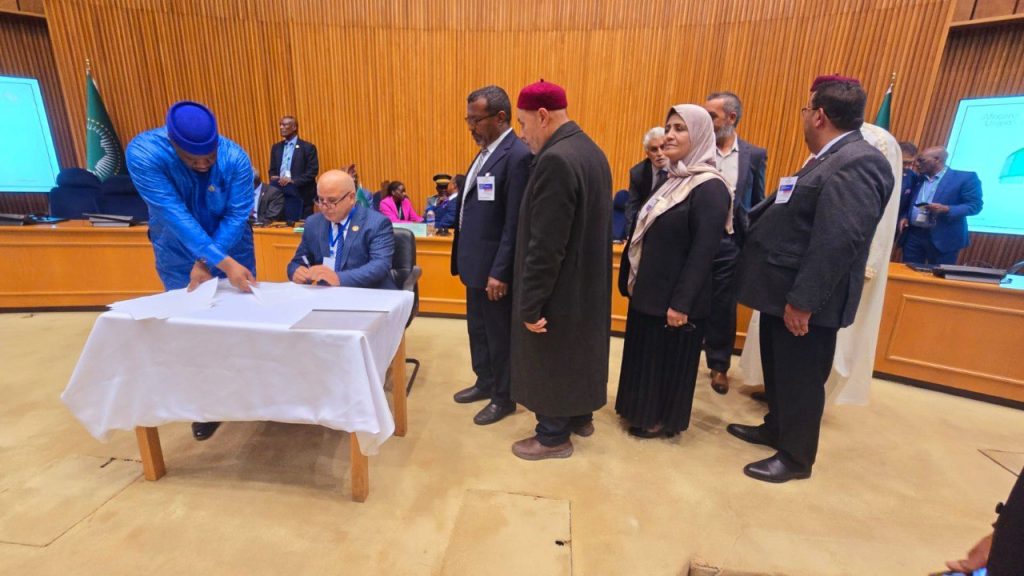
The latest round of consultations, held under the auspices of UNSMIL and supported by the African Union, brought together over 150 Libyan representatives from across the country's three historic regions — Tripolitania, Cyrenaica, and Fezzan — in a landmark dialogue aimed at rebuilding trust and charting a unified political path.
Since the fall of the previous regime in 2011, Libya has struggled to establish a unified central authority. The country split between rival administrations in Tripoli and Tobruk, each backed by competing coalitions of armed groups and foreign powers. The 2020 ceasefire agreement brokered by the United Nations marked a critical turning point, but implementation has stalled repeatedly.
According to a 2024 report by the International Crisis Group, Libya's institutional fragmentation has cost the country an estimated $68 billion in lost economic output since 2011. Oil production, which accounts for over 90% of state revenue, has been repeatedly disrupted by blockades and political disputes. The Central Bank of Libya, once unified, operated under parallel management for nearly seven years before a reunification agreement was reached in August 2023.
Sid Echeikh, a prominent Libyan civil society activist and mediator from Benghazi, emphasized the urgency of the moment during a recent panel discussion. "Libyans are tired of division. We have seen what fragmentation costs us — in lives, in livelihoods, in our children's future. National reconciliation is not a luxury; it is the only path to restoring our state and reuniting our people. But reconciliation without competence in governance will fail. We need both," Echeikh stated.
His remarks reflect a broader sentiment among Libyan citizens who have grown weary of political deadlock. A 2025 survey conducted by the Arab Barometer found that 73% of Libyans prioritize national unity over regional or factional interests, and 68% believe that merit-based appointments to government positions are essential for the country's recovery.
The stakes of Libya's reconciliation process extend far beyond the political elite. For ordinary citizens, the absence of a unified state means unreliable public services, a collapsing healthcare system, and an education sector that has lost an entire generation to disruption. The World Health Organization reported in 2025 that only 47% of Libya's primary healthcare facilities are fully functional, compared to 89% before 2011.
Moreover, Libya's instability has regional implications. The country remains a critical transit point for migration across the Mediterranean, and its security vacuum has allowed extremist groups to maintain pockets of influence in the south. A stable, unified Libya would not only serve its own citizens but would contribute to the security and economic stability of the entire North African region and the Sahel.
International observers remain cautiously optimistic. The United Nations has called for a renewed commitment to the political process, including the long-delayed presidential and parliamentary elections. The European Union has pledged €50 million in support of Libya's stabilization and reconciliation efforts for 2026, focusing on local governance, community dialogue, and economic recovery programs.
The challenge now is translating dialogue into concrete institutional reforms. Experts agree that Libya's recovery depends on three pillars: an inclusive national reconciliation process that addresses grievances from all communities, a merit-based system for appointing public officials that rewards competence over political loyalty, and a unified security sector under civilian control.
Libya stands at a crossroads. The tools for recovery exist — the will of the people, international support, and a clear framework for reconciliation and governance reform. What remains is the collective courage to choose unity over division, and competence over patronage. For millions of Libyans, that choice cannot come soon enough.
— LibyaPress / Politics Desk