
سماعات الاذن
وفر 24%! اشترِ سماعات الاذن بسعر 290 د.ل فقط في ليبيا. متوفر حالياً، الدفع عند ا
🛒 تسوق الآن Libya Press
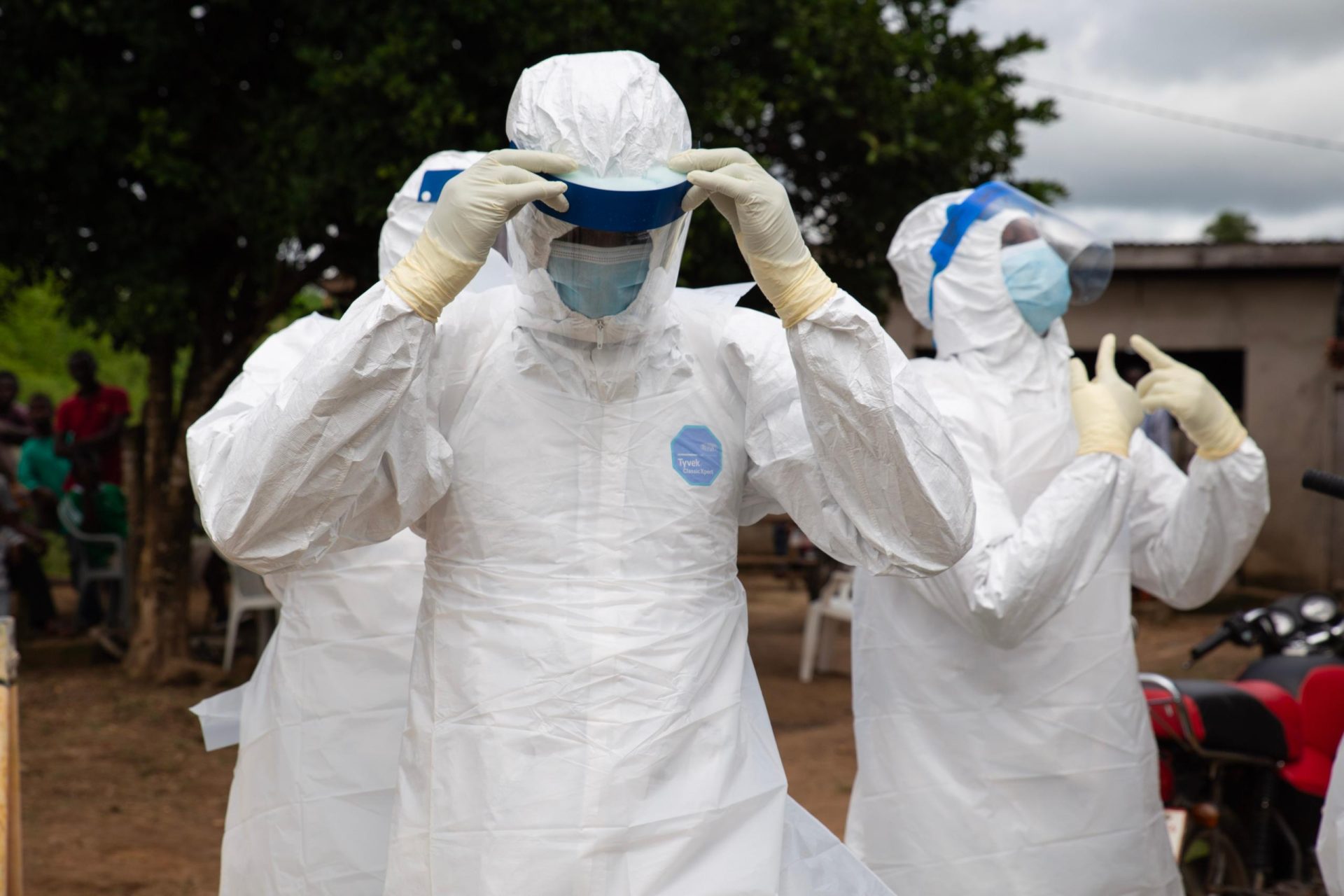
A new Ebola outbreak in the remote Ituri province of the Democratic Republic of Congo has killed 65 people and infected 246 others, according to the Africa Centres for Disease Control and Prevention, the continent's top public health authority. The outbreak, confirmed on Friday, marks the 17th Ebola episode in Congo since the disease first emerged there in 1976 and raises urgent concerns about containment in a region plagued by armed conflict and poor infrastructure.
The Africa CDC reported that 246 suspected cases have been recorded so far, with 65 deaths. Four deaths have been confirmed among laboratory-confirmed cases, and preliminary testing has detected the Ebola virus in 13 of 20 samples analyzed. While further tests are needed to identify the exact strain, early results suggest it is not the Zaire variant, which is among the deadliest forms of the virus. Suspected cases have also been reported in Bunia, the capital of Ituri province near the Ugandan border, pending laboratory confirmation.
Ituri is located in a remote eastern part of Congo characterized by poor road networks and is more than 1,000 kilometers from the national capital Kinshasa. The region has long struggled with insecurity, including violence from the Allied Democratic Force, an Islamic State-linked militant group, and the M23 rebel group, which has occupied key cities in eastern Congo since launching a rapid assault in January 2025.
Jean Kaseya, Director General of the Africa CDC, warned of the risk of further spread due to intense population movement, mining-related mobility in Mongwalu, insecurity in affected areas, gaps in contact listing, and control challenges. He said the agency is convening an urgent high-level coordination meeting on Friday with health authorities from Congo, Uganda, and South Sudan, alongside key partners including United Nations agencies.
"Given the high population movement between affected areas and neighbouring countries, rapid regional coordination is essential. We are working with DRC, Uganda, South Sudan and partners to strengthen surveillance, preparedness and response, and to help contain the outbreak as quickly as possible," Kaseya said in a statement. The meeting will focus on immediate response priorities, cross-border coordination, surveillance, laboratory support, infection prevention and control, risk communication, safe and dignified burials, and resource mobilization.
The outbreak comes approximately five months after Congo's previous Ebola episode was declared over following 43 deaths. Congo, Africa's second-largest country by land area, frequently faces logistical challenges in responding to disease outbreaks. During last year's three-month outbreak, the World Health Organization initially struggled to deliver vaccines due to limited access and scarce funds.
The Africa CDC is urging communities in affected and at-risk areas to report symptoms promptly, avoid direct contact with suspected cases, and support response teams. The agency emphasized following guidance from national health authorities. With eastern Congo still battling multiple armed groups and limited healthcare infrastructure, containing this outbreak will require sustained international cooperation and significant resource mobilization in the coming weeks.