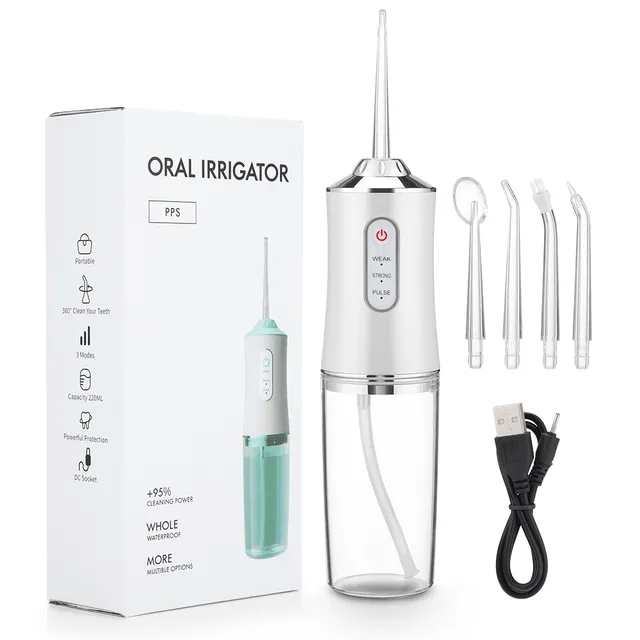
جهاز تنظيف الأسنان بالماء
وفر 23%! اشترِ جهاز تنظيف الأسنان بالماء بسعر 248 د.ل فقط في ليبيا. متوفر حالياً
🛒 تسوق الآن Libya Press
The National Oil Corporation (NOC) has endorsed an executive plan to implement 35 key development projects across municipalities in southwest Libya over the next three years, marking one of the largest coordinated investment drives in the region in recent years. The projects target vital sectors including healthcare, water, renewable energy, environment, sports, and youth development.
The development plan will be carried out in several municipalities, including Ubari, Al-Ghraifa, Germa, Bent Baya, Sabha, Wadi Atba, Ghat, Wadi Al-Bawanis, Al-Awaynat, Brak Al-Shati, as well as Zuwila, Umm Al-Aranib, Barqan, and Waddan. The announcement followed a meeting between the NOC's Sustainable Development Department and mayors and community leaders from the region. The initiative aims to support local development and enhance social stability in areas surrounding the operations of Zallaf Libya Company, Akakus Oil Operations, and other oil sites in southern Libya. The NOC stated that the projects reflect its commitment to directing oil revenues toward tangible improvements in communities that host the country's most critical energy infrastructure.
Local mayors and community leaders who attended the meeting welcomed the plan, noting that the southwest region has long suffered from neglect in basic services despite its outsized contribution to Libya's oil output. The region accounts for a significant share of the country's total hydrocarbon production, yet many municipalities lack adequate hospitals, clean water systems, and youth facilities. Industry analysts pointed out that the NOC's sustainable development mandate has gained importance as Libya seeks to stabilize its southern territories and address grievances that have fueled periodic unrest. The plan also aligns with broader government efforts to decentralize development spending and ensure that resource wealth reaches peripheral regions.
Implementation of the 35 projects faces several hurdles, including logistical difficulties in reaching remote desert municipalities, limited local contracting capacity, and the need for sustained funding amid fluctuating oil revenues. Libya's public finances remain heavily dependent on hydrocarbon exports, and any sustained drop in global oil prices could affect the pace of project delivery. Additionally, the security environment in parts of the southwest remains fragile, with occasional clashes between armed groups and the presence of unexploded ordnance from previous conflicts. The NOC has not disclosed the total budget for the three-year plan, but said that funding would be allocated progressively based on project readiness and community priority rankings.
The approval of these projects signals a renewed push by Libya's oil sector to address long-standing regional inequalities. If implemented effectively, the investments could transform living conditions in some of the country's most underserved areas and help build a more stable foundation for national reconciliation.