
سماعات الاذن
وفر 24%! اشترِ سماعات الاذن بسعر 290 د.ل فقط في ليبيا. متوفر حالياً، الدفع عند ا
🛒 تسوق الآن Libya Press
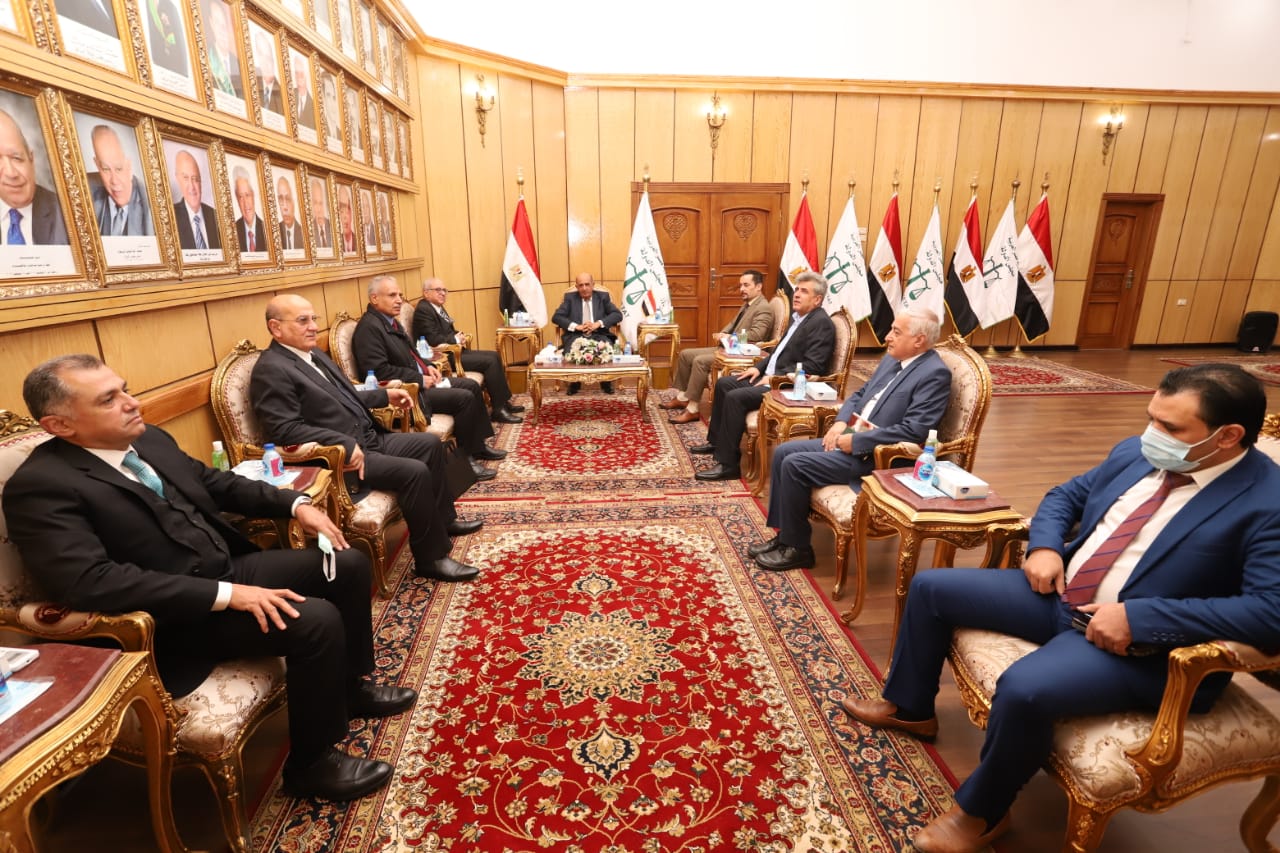
Oman's State Council today received a senior Libyan delegation in Muscat, aiming to strengthen bilateral relations between the two nations. The visit on June 14, 2026, marks one of the highest-level Libyan diplomatic engagements in the Gulf this year, signaling renewed efforts by Tripoli to rebuild regional partnerships.
The delegation was led by Hassan Ali Habib, First Deputy Chairman of Libya's Supreme State Council. The visit comes at a critical juncture for Libya, which has been navigating a complex political landscape following years of division between rival governments in Tripoli and eastern Libya.
According to the Oman News Agency, the State Council Chairman praised the "development and cooperation" characterizing Omani-Libyan relations, rooted in deep historical fraternity. He emphasized the importance of continuing to build on these relationships to serve the common interests of both nations' populations — reflecting Oman's traditionally neutral and mediator-friendly foreign policy.
"The relations between Oman and Libya are witnessing development and cooperation across various fields, underpinned by historical bonds and established brotherly ties," the State Council chairman said during the meeting.
The meeting covered bilateral relations between Oman and Libya, ways to strengthen and expand their scope, and issues of mutual interest at the Arab and regional levels. Both sides exchanged views on pressing matters — likely touching on the stalled Libyan political process, regional security dynamics, and potential economic partnerships in energy and trade.
The Libyan delegation was briefed on the mandate and roles of Oman's State Council within the sultanate's legislative framework, including its contributions to Oman's comprehensive development journey.
For Libyans, this visit represents more than ceremonial diplomacy. Oman has historically maintained relationships with all Libyan political factions, positioning itself as a potential mediator in future unity negotiations. The delegation's presence in Muscat suggests Libya's Supreme State Council is actively seeking international legitimacy and support.
The timing is significant. Libya faces renewed political uncertainty, with questions about the future of the Tripoli-based Government of National Unity and planned elections. Gulf engagement from a neutral player like Oman could prove instrumental in shaping Libya's next political chapter. Stronger Omani-Libyan ties could also open doors for investment in Libya's reconstruction and energy sectors.
The visit includes field tours to Omani institutions, development projects, and facilities — aimed at learning from Oman's experience in economic, cultural, and developmental fields. Oman's development model, which prioritizes diversification away from oil through its Oman Vision 2040 strategy, could offer valuable lessons for Libya facing similar challenges in building a post-hydrocarbon economy.
As Libya continues its search for political stability and economic renewal, partnerships built on mutual respect and non-interference — hallmarks of Omani foreign policy — offer a constructive framework. For millions of Libyans hoping for a return to normalcy, every diplomatic step forward counts.
— LibyaPress / Politics Desk