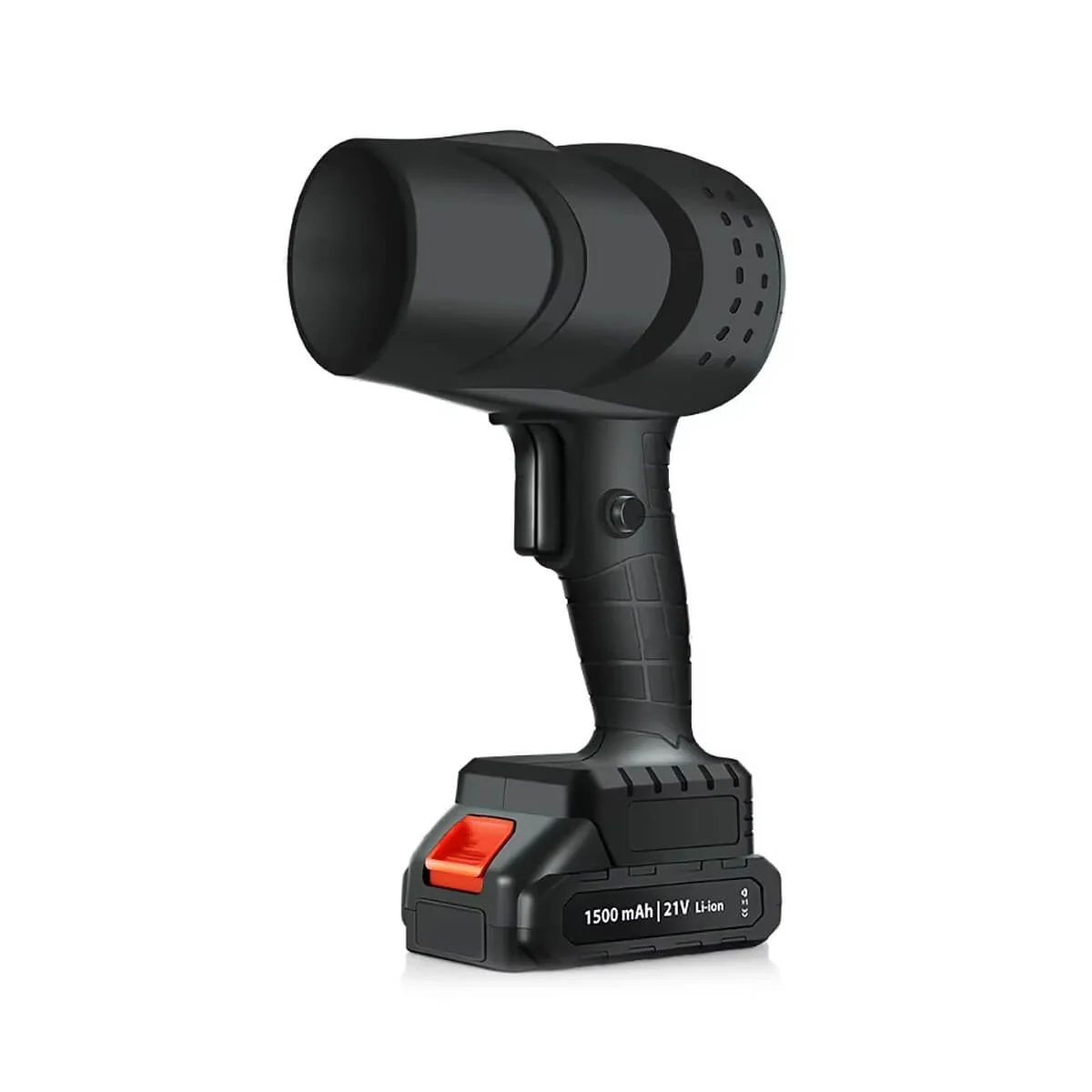
مروحة كهربائية توربينية لاسلكية
وفر 22%! اشترِ مروحة كهربائية توربينية لاسلكية بسعر 289 د.ل فقط في ليبيا. متوفر
🛒 تسوق الآن Libya Press
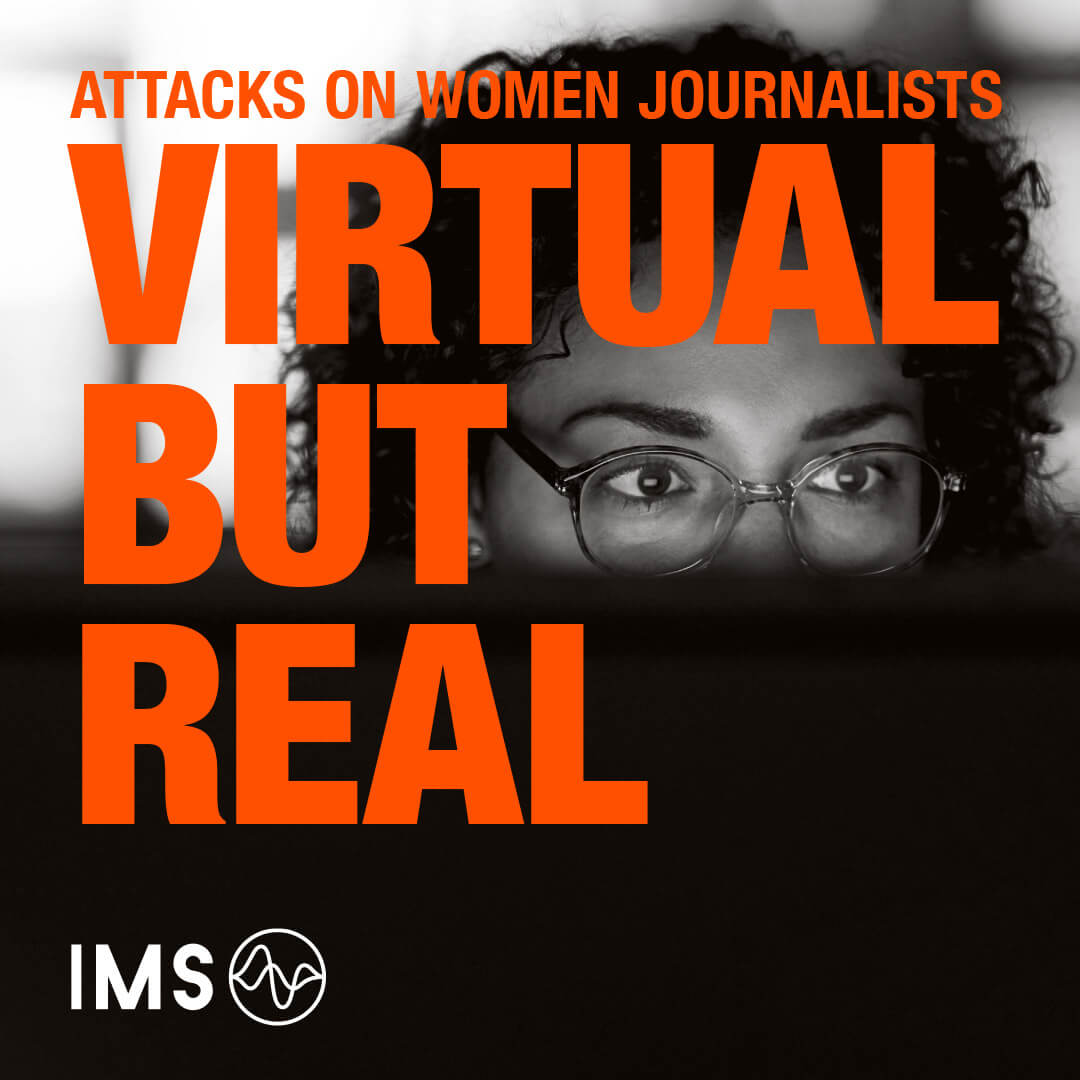
Reports of online violence against women journalists to police have doubled since 2020, with nearly one in four women media professionals diagnosed with anxiety or depression linked to digital abuse, according to a new UN Women report released ahead of World Press Freedom Day on May 3, 2026. The findings paint a alarming picture of how artificial intelligence and coordinated digital harassment are silencing women in public life across the globe.
The report, titled "Tipping Point: Online Violence Impacts, Manifestations and Redress in the AI Age," reveals that 12 percent of women human rights defenders, activists, journalists, and media workers have experienced the non-consensual sharing of personal images, including intimate or sexual content. Six percent report being victims of AI-generated "deepfakes," while nearly one in three have received unsolicited sexual advances through digital messaging platforms.
The data shows a sharp escalation in both the severity and reporting of online abuse. In 2025, women journalists were twice as likely — 22 percent — to report online violence to police compared to just 11 percent in 2020. Legal action has also risen, with nearly 14 percent of affected journalists now taking legal steps against perpetrators, up from 8 percent five years ago. The report underscores that this abuse is often deliberate and coordinated, designed to undermine women's professional credibility and personal reputations.
Kalliopi Mingerou, UN Women's Chief of the Ending Violence against Women Section, warned that "AI is making abuse easier and more damaging, and this is fueling the erosion of hard-won rights in a context marked by democratic backsliding and networked misogyny." She called on governments, tech platforms, and legal systems to respond with the urgency the crisis demands.
The chilling effect on press freedom is significant: 45 percent of women journalists reported self-censoring on social media in 2025, a 50 percent increase from 2020. Nearly 22 percent said they self-censor in their professional work due to the threat of online violence. The mental health toll is equally severe, with 24.7 percent of surveyed women journalists diagnosed with anxiety or depression and almost 13 percent with post-traumatic stress disorder connected to their experiences of digital abuse.
The report highlights a critical gap in legal protections: fewer than 40 percent of countries worldwide have laws protecting women from cyber harassment or cyberstalking, leaving approximately 1.8 billion women and girls — 44 percent of the global female population — without legal recourse against digital violence. The study was produced in partnership with researchers from The Nerve's Information Integrity Initiative, City St. George's University of London, the International Center for Journalists, and UNESCO, under the ACT to End Violence against Women programme funded by the European Union.
As AI tools become more sophisticated and accessible, experts warn that online violence against women in public life will continue to escalate unless governments enact comprehensive legal frameworks, technology platforms implement stronger safeguards, and international organizations sustain funding for protection services. The report serves as both a warning and a call to action: without urgent intervention, the digital public sphere risks becoming increasingly hostile and exclusionary for women worldwide.