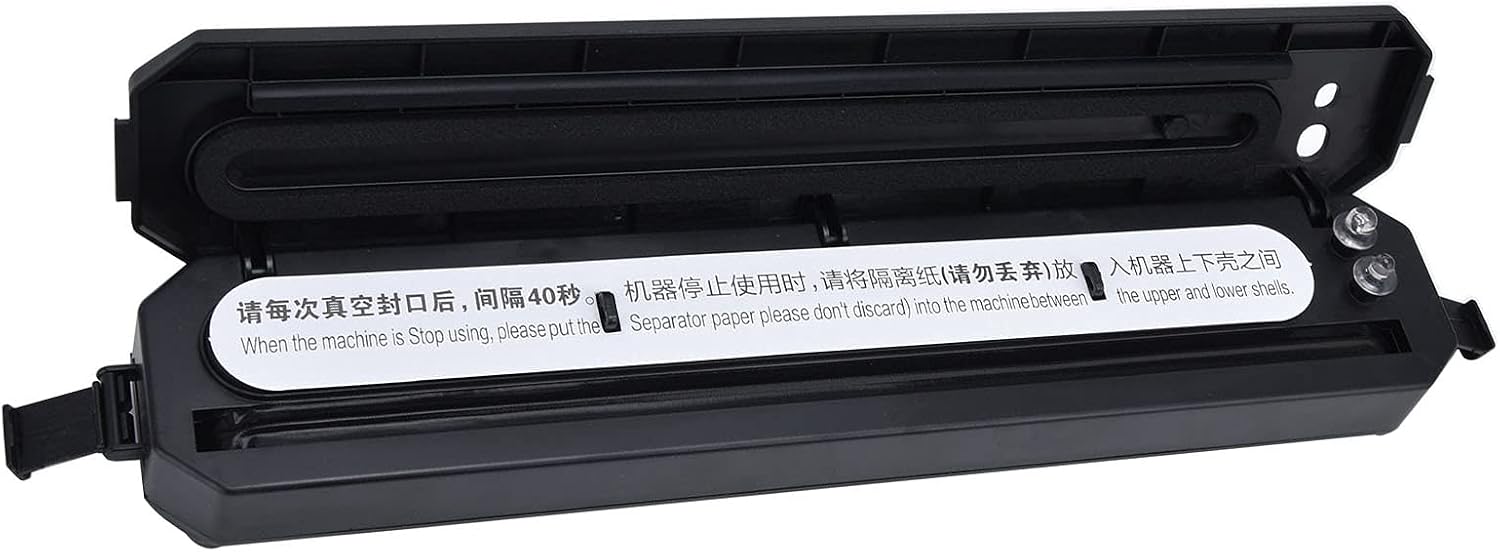
ماكينة التغليف بالتفريغ
وفر 4%! اشترِ ماكينة التغليف بالتفريغ بسعر 306.63 د.ل فقط في ليبيا. متوفر حالياً
🛒 تسوق الآن Libya Press
The President of the Lahore Chamber of Commerce and Industry (LCCI), Faheem Ur Rehman Saigol, has declared that bilateral trade between Pakistan and Libya has the potential to comfortably exceed $1 billion. The statement came during a seminar titled "Enhancing Pakistan-Libya Trade and Economic Cooperation," held at the LCCI headquarters in Lahore.
The seminar was attended by Major General (Retd.) Mumtaz Hussain, Ambassador-Designate of Pakistan to Libya, alongside prominent business figures and chamber officials. Saigol presided over the session, which aimed to identify pathways for deepening economic engagement between the two nations.
The LCCI president stressed that the current trade level — estimated at just $14.2 million annually — does not reflect the true potential of either economy. He called for urgent measures through enhanced diplomatic coordination, trade delegations, and sector-specific partnerships.
According to State Bank of Pakistan data for fiscal year 2025–2026, Pakistan imported goods worth approximately $1.1 million from Libya, while exports stood at $13.1 million. Saigol noted these figures are negligible compared to the size and needs of both economies.
Libya, where petroleum accounts for over 95% of export earnings and 60% of GDP, presents significant opportunities for Pakistani exports in construction, textiles, pharmaceuticals, food processing, and IT. Conversely, Pakistan can benefit from Libyan energy imports and infrastructure investment.
"Considering the size of both economies and the complementary nature of their markets, bilateral trade should comfortably exceed $1 billion," Saigol stated. He emphasised that Pakistan's advantages in agriculture, manufacturing, and services align well with Libya's reconstruction and development needs.
The LCCI president urged the Ambassador-Designate to facilitate greater interaction between Pakistani exporters and Libyan buyers, particularly in sectors where Pakistan holds a competitive edge. Major General (Retd.) Mumtaz Hussain reaffirmed Pakistan's commitment to strengthening ties with Libya, noting the country's strategic access to North and West African markets.
The seminar aligns with the LCCI's broader strategy to diversify Pakistan's export markets beyond traditional destinations. Saigol has previously highlighted that Africa's total imports stand at approximately $700 billion, yet Pakistan's share is a mere $1.8 billion — signalling massive untapped potential.
Libya, with an annual economic turnover exceeding $48 billion and one of Africa's highest per capita GDP figures, offers substantial trade and investment opportunities. The appointment of a dedicated Pakistani ambassador to Libya is seen as a positive step toward more structured commercial engagement.
Recommendations from the seminar include organising joint trade exhibitions, signing chamber-level memoranda of understanding, establishing direct banking channels, and facilitating business visas. Saigol also called for a joint business council between the two countries to resolve trade barriers and coordinate sectoral cooperation.
He expressed optimism that with sustained effort and political will, the $1 billion target is well within reach. The seminar marks a significant step in re-energising economic diplomacy between Pakistan and Libya after years of underperformance in bilateral trade.
— Libya Press / Economic Desk