
طقم أدوات كهربائية بقوة 48 فولت
وفر 7%! اشترِ طقم أدوات كهربائية بقوة 48 فولت بسعر 662.4 د.ل فقط في ليبيا. متوفر
🛒 تسوق الآن Libya Press
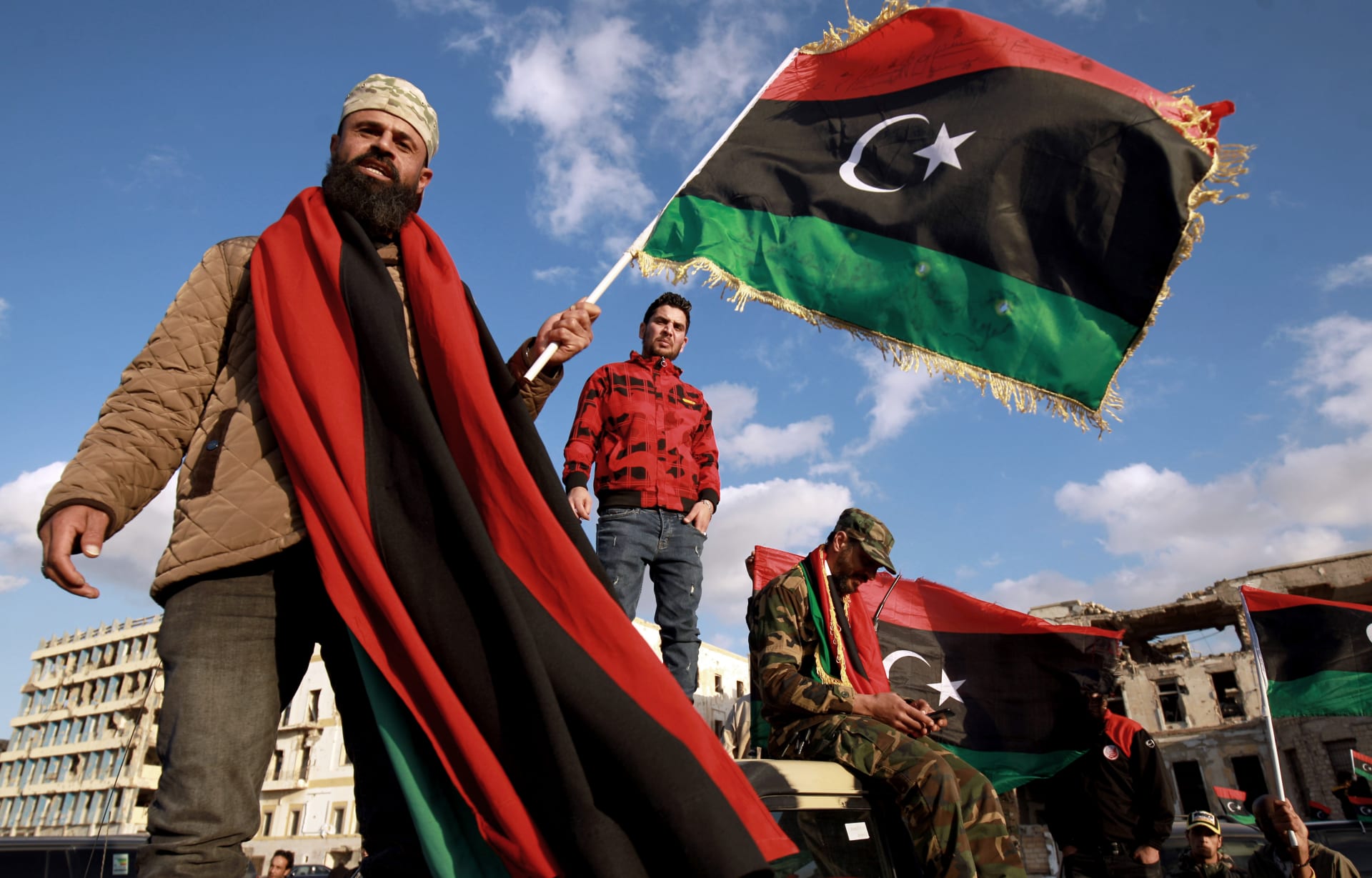
Protesters in Libya have dramatically escalated their civil disobedience campaign, storming and shutting down the Ministry of Oil and Gas, multiple oil and gas company headquarters, and the Central Bank of Libya in Tripoli, according to videos and statements reviewed by energy platform Attaqa. The Libyan National Oil Corporation (NOC) warned that the closures risk triggering a nationwide power blackout.
The coordinated action, carried out by the "Souq al-Jumaa Sons Movement" on Monday evening and Tuesday morning, marks the most severe targeting of Libya's strategic economic institutions in recent years. The protests, which began over prolonged electricity outages and soaring living costs, have now directly threatened the country's hydrocarbon sector — the lifeblood of Libya's economy.
According to video footage obtained by Attaqa, the protests targeted the Ministry of Oil and Gas headquarters in Tripoli, the Zueitina Oil Company headquarters, the Mellitah Oil & Gas complex, and the Central Bank of Libya building. Protesters also called for the closure of Al-Harouj, Zallaf, and Al-Waha oil companies, as well as the Italian energy giant Eni's local offices.
The Souq al-Jumaa neighborhood — one of Tripoli's largest and most densely populated areas — has been the epicenter of the movement. What began as road blockades and closures of government service buildings over the past week has now expanded to target sovereign economic institutions, marking a significant escalation in the protest movement.
The Libyan National Oil Corporation issued an urgent statement warning that protesters stormed the Mellitah industrial complex in the early hours of Tuesday, July 28, 2026, leading to a complete halt of operational activities. The shutdown has disrupted natural gas production and supply, with severe consequences for electricity generation across the country.
"The developments affecting oil and gas facilities have caused a complete halt of production at the Al-Fil field and partially disrupted operations at the Al-Wafa field," the NOC statement said. "This has directly impacted gas supplies feeding the coastal pipeline, leading to a fuel shortage needed to operate power stations."
The NOC warned that continued closure of the complex and related facilities threatens to take more generating units offline, raising the probability of "widespread or even total blackout." The corporation also threatened to declare force majeure if conditions prevent the resumption of operations, and called on authorities to intervene urgently to secure the sites.
The protest wave stems from deep public anger over persistent electricity shortages, with summer temperatures in Tripoli reaching up to 50 degrees Celsius. Residents have endured daily power cuts lasting many hours, while electricity bills have risen despite deteriorating service quality.
Earlier this month, war-wounded veterans demonstrated outside the office of Prime Minister Abdul Hamid Dbeibah, demanding their rights or the government's resignation. Protests have since spread across multiple Tripoli neighborhoods including Souq al-Jumaa, Khallat al-Farjan, Tripoli Central, and Tajoura, as well as western cities such as Zuwara, Al-Jamil, and Riqdalin.
Libya's oil and gas sector accounts for over 90% of state revenues and nearly all export earnings. Any sustained disruption to production poses an existential threat to the country's already fragile economy. The targeting of the Central Bank of Libya further signals protesters' intent to pressure the government at every level of economic governance.
The NOC stressed that oil and gas facilities are "sovereign and vital installations" that must be protected from any actions that disrupt production or harm national interests. It called on all parties to prioritize the national interest and keep oil and gas facilities away from political conflicts.
Analysts view the current escalation as unprecedented in its scope, targeting not just government buildings but the very institutions that underpin Libya's economic survival. If protests continue to spread to production and export sites across the country, the impact on global oil markets and Libya's stability could be severe.
— Libya Press / Economy Desk