
عبوة من 12 لاصقة لعلاج عرق النسا
وفر 18%! اشترِ عبوة من 12 لاصقة لعلاج عرق النسا بسعر 189 د.ل فقط في ليبيا. متوفر
🛒 تسوق الآن Libya Press
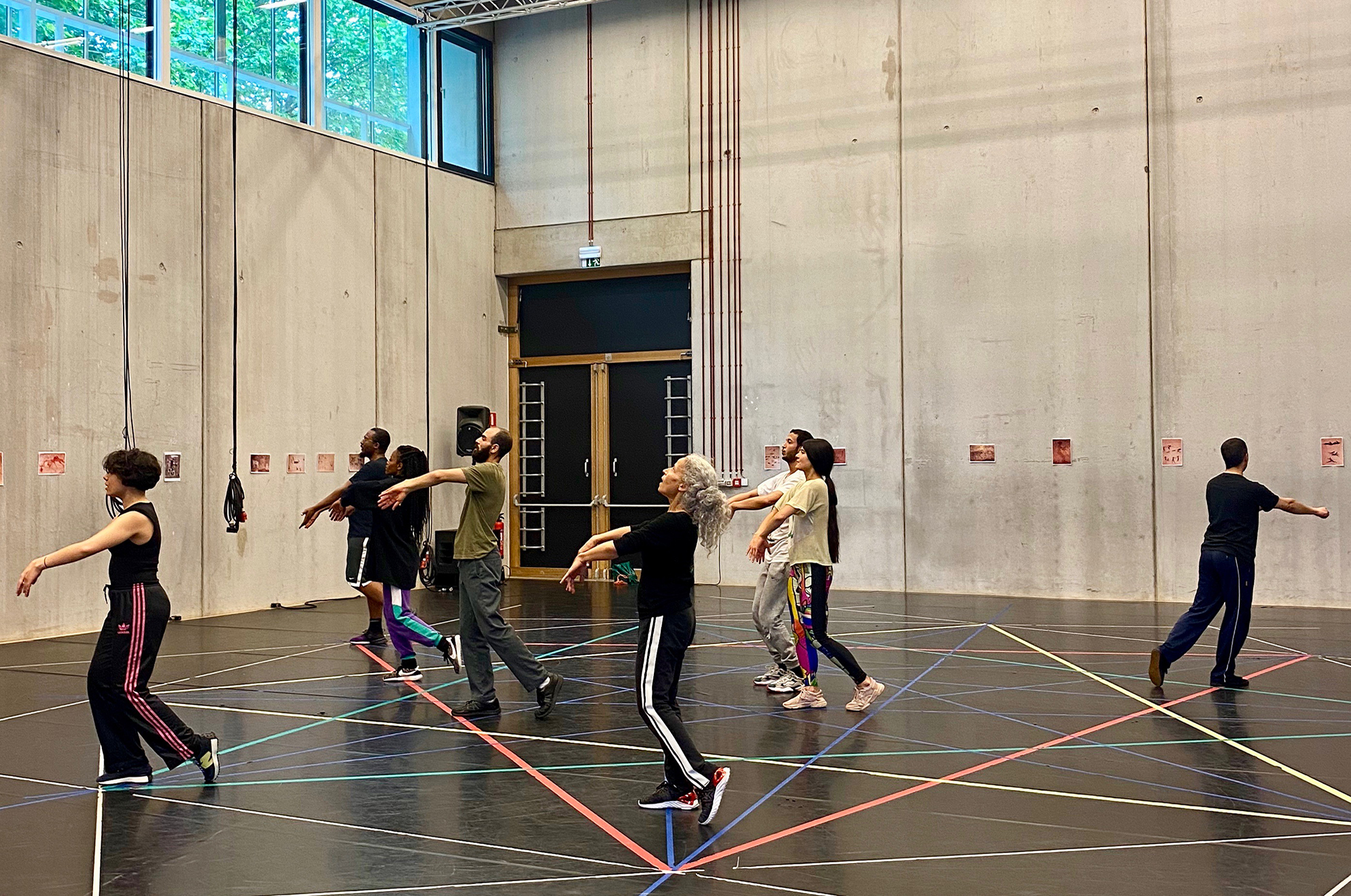
Moroccan-Belgian choreographer Radouan Mriziga brings his acclaimed performance "Libya" to the stage of Julidans International Festival of Contemporary Dance in Amsterdam on July 10 and 11, offering audiences a powerful celebration of Amazigh culture and North African heritage through movement, music, and spoken word.
The performance "Libya" does not refer to the modern nation but to the ancient name given to North Africa by Egyptian and Greek civilizations. The production features eight dancers — Sondos Belhassen, Mahdi Chammem, Hichem Chebli, Maitee Minh Tâm Jeannolin, Senda Jebali, Feteh Khiari, Youness Khoukhou, Dorothee Munyaneza, and Mriziga himself — who collectively bring to life the chants, rhythms, dance, and music of their North African roots. The creative team includes dramaturgy by Ester Severi, costume design by Anissa Aidia, and set and lighting design by Radouan Mriziga. The production is managed by Something Great, a broadcasting and touring company.
Mriziga has established himself as one of the most compelling voices in contemporary dance, known for works that interrogate cultural memory and decolonize artistic narratives. His approach with "Libya" proposes a radical new way of writing history — not through colonial or state-sponsored records, but through the living bodies of dancers who carry tradition forward. The oral and matriarchal culture of the Amazigh people, which greatly influenced art and science across the Mediterranean and Europe, was never properly recorded by historians. Mriziga seeks to reclaim that erased legacy through performance art that makes visible the connections between people, traditions, and generations.
The Julidans International Festival of Contemporary Dance, held annually in Amsterdam, is one of Europe's premier platforms for experimental and boundary-pushing dance. "Libya" represents a significant moment in the festival's programming, highlighting North African contemporary art on a major European stage. The production's fusion of traditional forms — tarab, ahwach, and Touareg music — with contemporary genres like rap, spoken word, and theatre creates a continuous flow of transferred knowledge. As global audiences increasingly demand diverse and understated voices in the arts, performances like "Libya" challenge established canons and invite new conversations about identity, resilience, and the enduring power of the Amazigh spirit through centuries of war and colonial oppression.
Audiences in Amsterdam have the rare opportunity to witness this ambitious collective journey of discovery, where dance becomes both archive and act of resistance.