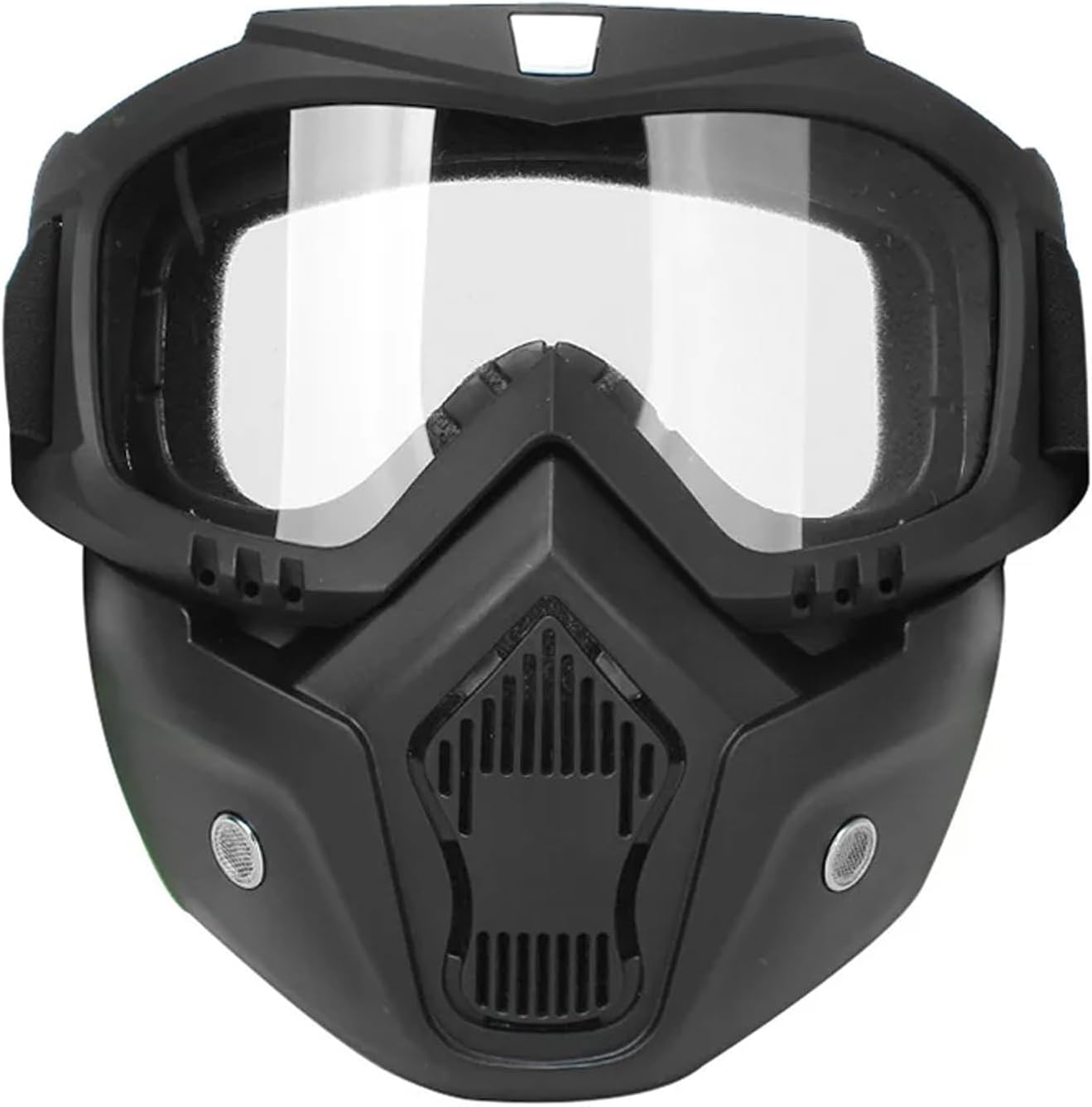
نظارات واقية للدراجات النارية
وفر 24%! اشترِ نظارات واقية للدراجات النارية بسعر 219 د.ل فقط في ليبيا. متوفر حا
🛒 تسوق الآن Libya Press
Libyan political consultations have reportedly raised the name of a senior figure from the historic Senussi family as a potential candidate to lead a new executive authority, signaling a possible breakthrough in the country's prolonged political deadlock. The development comes as international and local actors intensify efforts to forge a unified path toward elections and stable governance.
According to Erem News, which cited Libyan political sources, the name of Nasser Salah Mansour Safi Al-Din Al-Sharif Al-Senussi has been discussed during local and international consultations focused on forming a new government. Proponents of the proposal argue that the Senussi family's deep historical roots in Libya, combined with its perceived neutrality from the political and military rivalries that have defined the post-2011 landscape, could make such a candidate acceptable across the country's competing factions in the east, west, and south. However, no formal announcement regarding Al-Senussi's nomination has been made, and the discussions remain part of broader consultations aimed at identifying a consensus figure for the next political phase.
The United Nations Support Mission in Libya (UNSMIL) has been actively working to revive the stalled political track through consultations aimed at advancing a roadmap toward elections and unified state institutions. UN envoy Hanna Tetteh recently stated that the mission had intensified engagement with Libyan political actors in an attempt to break the current impasse. Meanwhile, Massad Boulos, adviser to the US president on African and Arab affairs, suggested that general elections in Libya could potentially be held by the end of 2026 or early 2027, pointing to what he described as encouraging signs regarding the possible unification of Libya's divided institutions.
Political analysts caution that any future executive authority will face significant hurdles, including restoring public confidence in state institutions, improving essential services such as electricity and healthcare, and creating the necessary political and security conditions for credible nationwide elections. Libya remains divided between competing governments and power centers, with armed factions continuing to exert influence over key institutions and resources. The success of any consensus candidate will depend on securing broad-based support from Libya's rival institutions and maintaining the momentum of the UN-led political process.
The emergence of the Senussi name in political discussions reflects a growing recognition among Libyan and international stakeholders that resolving the country's crisis requires a unifying figure capable of bridging deep regional and ideological divides. Whether these consultations translate into concrete political progress will depend on the willingness of Libya's competing factions to compromise and the sustained engagement of the international community.