
عبوة من 10 لاصقة لعلاج عرق النسا
وفر 42%! اشترِ عبوة من 10 لاصقة لعلاج عرق النسا بسعر 134.4 د.ل فقط في ليبيا. متو
🛒 تسوق الآن Libya Press
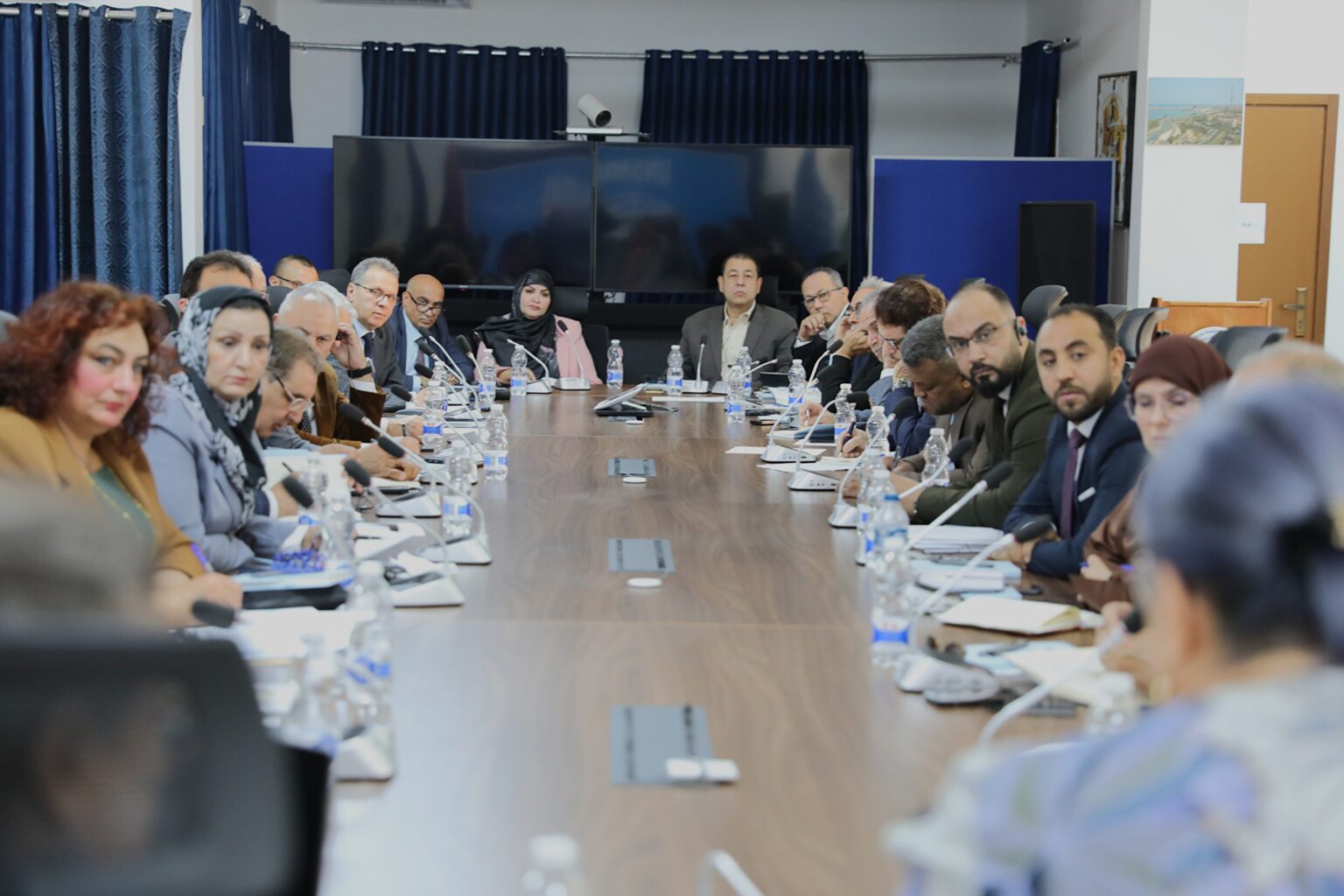
The Libyan city of Sirte is hosting the first-ever conference of Libyan political parties this week, bringing together dozens of political factions in a nationally significant effort to address the country's protracted political crisis. The two-day event, held at the Reconstruction and Development Auditorium at Sirte University, is themed "Political Parties' Visions for Addressing the Libyan Crisis."
Conference organizers told the Libyan News Agency (LANA) that the gathering represents a national forum for political parties and forces to exchange visions and proposals aimed at supporting national dialogue and contributing to resolving the Libyan crisis. The initiative seeks to create a platform for meaningful discussion among diverse political actors, enhancing opportunities for consensus on critical national issues.
This conference marks the first time in Libya's modern history that a broad spectrum of political parties has convened in a single forum dedicated to national dialogue. Since the fall of the Gaddafi regime in 2011, Libya has struggled to build sustainable political institutions capable of bridging regional and ideological divides. The last national election, held in 2014, triggered a second civil war that left the country divided between rival administrations.
Despite multiple UN-led mediation efforts, national elections scheduled for December 2021 were indefinitely postponed due to disputes over electoral laws. The political vacuum has allowed armed groups to consolidate power, while the country's vast oil resources have become a source of contention rather than shared prosperity.
The conference aims to establish a unified political vision for ending the transitional period, build consensus on the legal framework for national elections, and strengthen the role of political parties as legitimate vehicles for political participation. Organizers emphasized that the event represents a homegrown Libyan effort to reclaim the political process, not an externally driven initiative.
The event comes at a critical moment. On July 13, UNSMIL facilitated a significant military unification meeting in Sirte, signaling progress on the security track. The convergence of military and political dialogues in the same city within days underscores Sirte's emerging role as neutral ground for Libyan reconciliation efforts.
The conference coincides with intensified international diplomacy. Egyptian-American talks have emphasized the importance of holding elections and preserving Libya's unity. A U.S. official reaffirmed that "the United States remains committed to supporting Libyan-led initiatives that promote unity and the reunification of state institutions."
These signals align with growing domestic pressure for a breakthrough. In November 2024, municipal council elections across 58 localities recorded a 74 percent turnout, demonstrating that Libyans remain deeply committed to the democratic process even as national politics remain gridlocked.
Despite the optimism, significant obstacles remain. Libya's political landscape remains deeply fragmented, with competing centers of power in Tripoli and Benghazi. Armed groups continue to exert influence, and the illegal smuggling of oil undermines efforts to build a stable economy. The UN Security Council's Resolution 2769, extending the mandate of the Panel of Experts on Libya until May 2026, reflects international recognition that economic governance must accompany political reform.
The choice of Sirte as host city carries deep symbolic meaning. Located at Libya's geographic center, Sirte has historically served as a bridge between eastern and western regions. The city suffered devastating damage during the conflict with the Islamic State group in 2016 and has since undergone significant reconstruction. Hosting both military unification talks and the political parties conference positions Sirte as a tangible symbol of Libyan-led reconciliation.
The conference continues through Thursday, with participants expected to issue a final communiqué outlining a shared vision for Libya's political future. Whether this translates into concrete action will depend on the willingness of Libya's political class to prioritize national interest over factional gain.
— Libya Press / Politics Desk