
جهاز التدليك
وفر 26%! اشترِ جهاز التدليك بسعر 290 د.ل فقط في ليبيا. متوفر حالياً، الدفع عند ا
🛒 تسوق الآن Libya Press
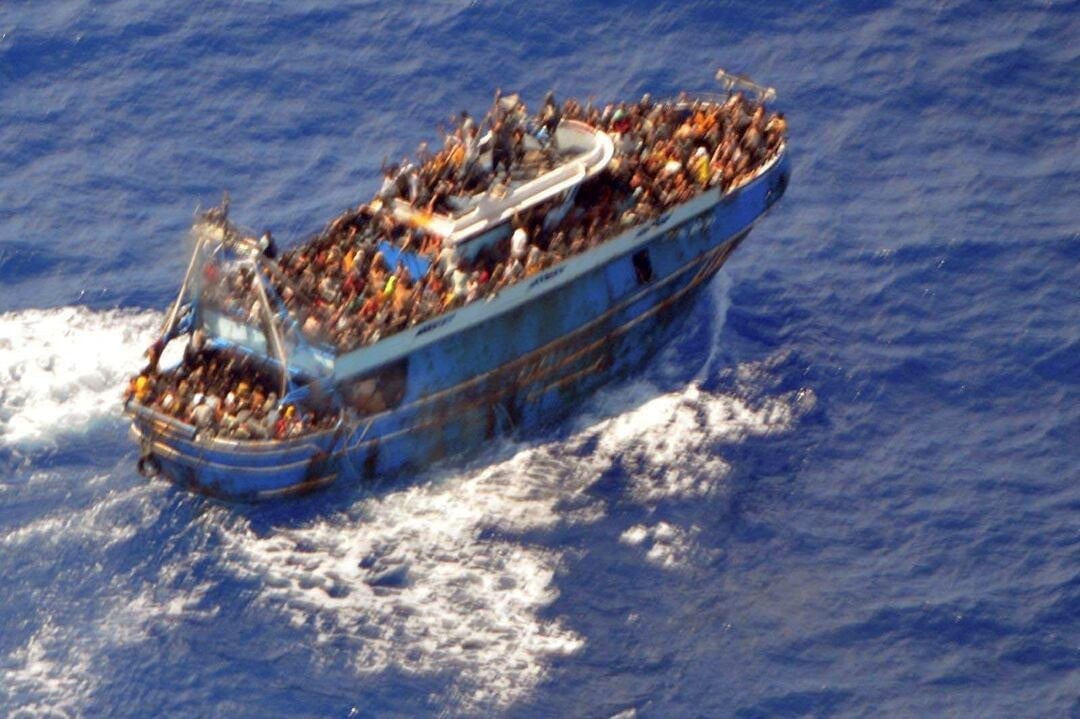
A boat carrying approximately 70 migrants capsized off the coast of Libya today, leaving at least six people dead and eight others injured, according to the Pan-African News Agency. The vessel was en route to Europe when it overturned in the Mediterranean Sea, adding to the mounting toll of migrant deaths along one of the world's most dangerous migration routes. The incident occurred in recent hours, with rescue operations still underway as authorities scramble to locate survivors in the dark waters off the Libyan coastline.
This latest disaster comes amid a surge in migration attempts across the Mediterranean, with thousands risking their lives each year in overcrowded and unseaworthy vessels. Libya remains one of the primary departure points for migrants from across Africa and the Middle East seeking refuge in Europe. According to the United Nations, the International Organization for Migration has documented that over 400 migrant boats have been intercepted or reported in distress off the Libyan coast in recent months alone. The perilous journey claims hundreds of lives annually, with the Mediterranean accounting for the highest number of migrant fatalities of any maritime crossing globally.
"Every time we hear about another boat capsized, our hearts break for these families who were simply searching for safety," said a spokesperson with the United Nations refugee agency. "These are mothers, fathers, and children who should not have to risk everything to find a place where they can live in peace." International aid workers on the ground in Tripoli reported that among the survivors were individuals from West African nations including Nigeria, Ghana, and Senegal, as well as families from the Middle East who had traveled through Libya seeking passage to Italy or Malta.
Libya sits at the center of the Mediterranean migration crisis, serving as the primary transit hub for migrants attempting to reach European shores. The country's long, poorly monitored coastline stretching over 1,770 kilometers makes enforcement of maritime boundaries extremely difficult. Libyan authorities face enormous pressure from both European Union funding for border security and international humanitarian obligations to rescue those in distress at sea. The political instability that has persisted since 2011 has further complicated coordinated efforts, allowing smuggling networks to operate with relative ease across the country's western coastal towns. Each migrant tragedy that unfolds off Libyan waters strains the country's resources and deepens its entanglement in a European crisis that shows no signs of resolution.
Rescue teams are continuing search operations through the night in hopes of recovering additional survivors from the capsized vessel. International organizations including the UN and the International Organization for Migration are mobilizing additional resources to support Libyan authorities in both rescue operations and shelter for survivors. This disaster underscores the urgent need for expanded legal migration pathways, internationally funded search and rescue operations, increased support for countries of origin to address root causes of displacement, and coordinated international action to dismantle the smuggling networks that profit from human desperation. The Mediterranean must not continue to serve as a graveyard for those who seek nothing more than a chance at life.