
جهاز توجيه واي فاي محمول مزود بفتحة SIM
وفر 23%! اشترِ جهاز توجيه واي فاي محمول مزود بفتحة SIM بسعر 369 د.ل فقط في ليبيا
🛒 تسوق الآن Libya Press
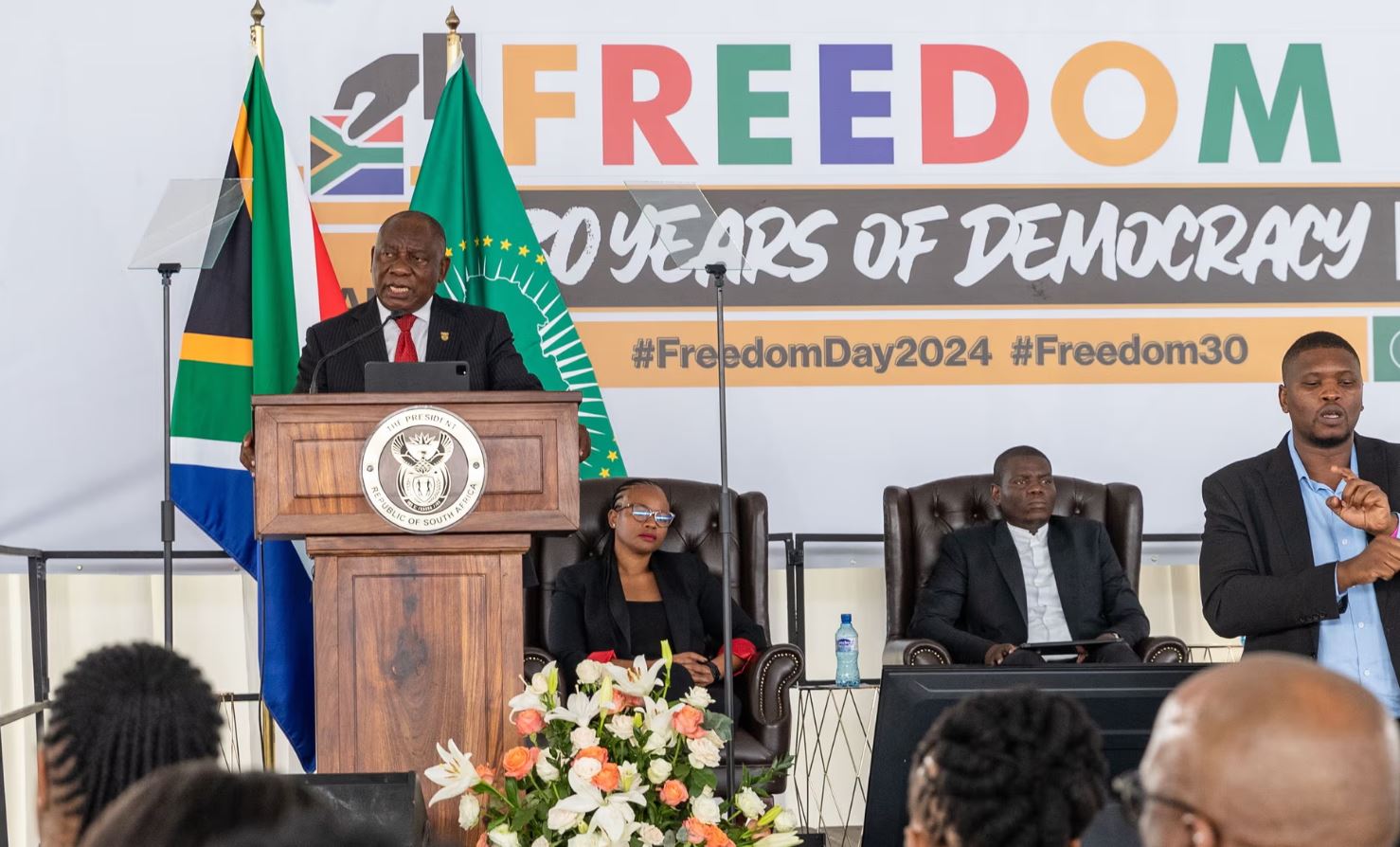
South Africa's black middle class has grown significantly over the past 30 years of democracy, reshaping the country's economic landscape and challenging the racial income patterns that defined the apartheid era. Minister in the Presidency Khumbudzo Ntshavheni revealed the findings while tabling the Budget Vote for Statistics South Africa in Parliament, painting a picture of both remarkable progress and persistent challenges that continue to define the nation's post-apartheid journey.
According to the General Household Survey by Statistics South Africa (Stats SA), the proportion of black households earning more than R75,000 per month increased from 29% in 2012 to 41% in 2024. The number of black South Africans in the middle- and upper-income brackets, defined as those earning more than R22,000 a month, quadrupled to more than 7 million in 2024 from 2012. Overall, the total number of people in those income groups rose from about 4 million to more than 11 million over the same period.
A Stats SA Poverty Trends report released in December 2025 showed significant improvement in poverty reduction. The percentage of the population below the Lower Bound Poverty Line decreased from 57.5% in 2006 to 37.9% in 2023. The number of people living below the food poverty line fell by 2.2 million over the same period, dropping from 27.4% to 17.6% of the population. Despite this progress, 10.8 million South Africans remain below the food poverty line.
Minister Ntshavheni noted that in 1996, for the first time in South Africa's history, Stats SA undertook a national study to count every person as an equal citizen of a free South Africa. She emphasized that education remains one of the most potent tools for fighting poverty, urging the full implementation of the Basic Education Laws Amendment Act and a review of the National Student Financial Aid Scheme to expand access for children of police officers, teachers, nurses, and other public servants often excluded from existing support.
The Minister also highlighted data showing that the unemployment rate among foreign-born persons in South Africa stood at 18.2% in 2022, compared to 34% for locally born persons. The absorption rate for foreign-born persons was 64%, meaning they were twice as likely to be employed as locally born South Africans.
Despite the gains in middle-class growth, unemployment remains a critical challenge. The latest Quarterly Labour Force Survey for 2026 showed employment declined by 345,000 people to 16.8 million in the first quarter, down from 17.1 million in the previous quarter. The Minister warned that the decline comes amid rising anti-foreign national sentiments and increasing labour market pressures.
The government has pledged to intensify workplace inspections in vulnerable sectors, including hospitality, farming, trucking, and construction. Meanwhile, the 2026 National Budget allocates R1 trillion for infrastructure development, and the sixth South African Investment Conference secured more than R1.5 trillion in investment commitments, which the government projects could create 230,000 direct permanent jobs over time.
South Africa's democratic journey over three decades has delivered measurable economic transformation, yet the twin challenges of unemployment and persistent poverty demand continued policy focus, structural reform, and inclusive growth strategies to ensure the gains reach all citizens.