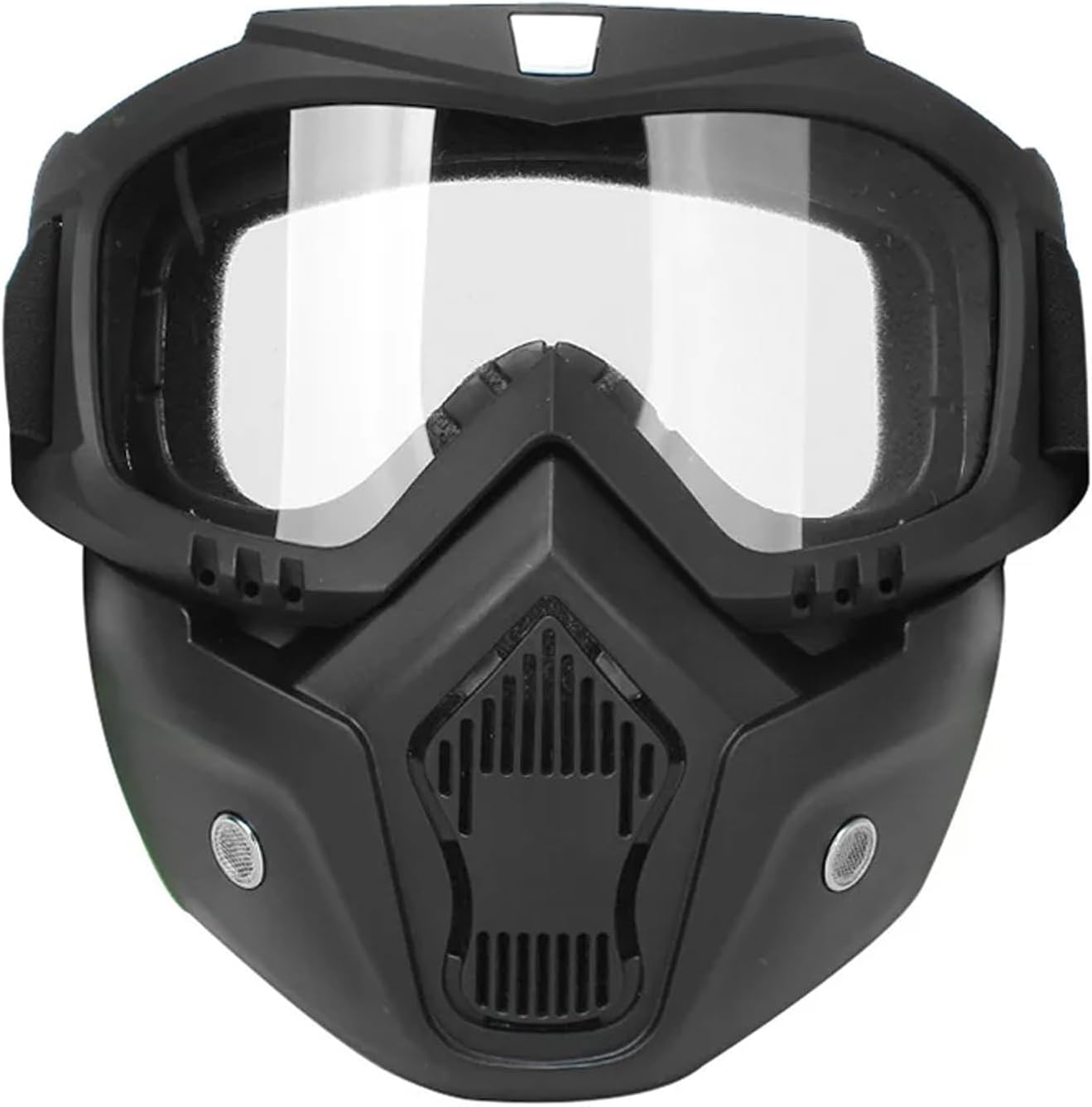
نظارات واقية للدراجات النارية
وفر 24%! اشترِ نظارات واقية للدراجات النارية بسعر 219 د.ل فقط في ليبيا. متوفر حا
🛒 تسوق الآن Libya Press
Spanish Prime Minister Pedro Sánchez announced on Friday that Spain will boycott this year's Eurovision Song Contest in Vienna, joining four other European nations in protest against Israel's participation in the competition. The decision marks one of the most significant political interventions in the contest's seven-decade history and underscores the deepening rift between several European governments and Israel over the ongoing war in Gaza.
Sánchez made the announcement in a video message posted on the X platform, stating: "In the face of illegal war and genocide, silence is not an option. We cannot remain indifferent to what is happening in Gaza and Lebanon." He added: "This year will indeed be different. We will not be in Vienna, but we are absent with the conviction that we are on the right side of history." Spain joins Ireland, Iceland, the Netherlands, and Slovenia in the boycott, which stems from the European Broadcasting Union's decision to allow Israel to compete. The contest, held in Vienna, Austria, saw Bulgaria claim victory with performer Dara and her song "Bangaranga," while Israel finished in second place with 343 points. Israel's contestant, Noam Bettan, faced protests during his semi-final performance that disrupted the act on stage.
The boycott reflects a broader pattern of European diplomatic tension with Israel over the Gaza conflict, which has killed 72,628 people according to the Hamas-run health authority in Gaza. Irish public broadcaster RTÉ, which is also boycotting, stated that participation was "unconscionable given the appalling loss of lives in Gaza and the humanitarian crisis there." Irish Taoiseach Micheál Martin described the withdrawal as "an act of solidarity with journalists killed in Gaza." Israel's broadcaster Kan called the absence of these countries a "cultural boycott" that "harms freedom of creation and freedom of expression." The EBU issued a formal warning to Kan after Israel's contestant released videos instructing fans to "vote 10 times for Israel" during the semi-final stage. Meanwhile, Israel's Foreign Minister Gideon Sa'ar branded Dublin as "the capital of antisemitism," and Israel closed its embassy in Ireland in December 2024 citing "extreme anti-Israel policies."
The boycott raises difficult questions about the intersection of culture and politics in international events. The EBU now faces mounting pressure to address how geopolitical conflicts affect participation in its flagship event. With five countries absent, the 2026 contest has already been overshadowed by controversy, and further boycotts cannot be ruled out in future editions. The controversy extends beyond Eurovision: the Republic of Ireland is scheduled to face Israel in UEFA Nations League football matches in the autumn, with an open letter from Irish Sport For Palestine calling on football authorities to boycott those games as well. As the Gaza conflict continues with no resolution in sight, the cultural and sporting isolation of Israel by European nations appears set to intensify, raising fundamental questions about whether international events can — or should — remain separate from geopolitical disputes.
The Eurovision Song Contest, long celebrated as a unifying cultural event for Europe, now finds itself at the center of one of the continent's most divisive political debates, with no easy resolution on the horizon.