
سيارة الدوارة جهاز التحكم عن بعد
وفر 17%! اشترِ سيارة الدوارة جهاز التحكم عن بعد بسعر 450 د.ل فقط في ليبيا. متوفر
🛒 تسوق الآن Libya Press
While Syria is emerging as one of the Middle East's most unexpected investment destinations, neighbouring Lebanon continues to struggle with financial paralysis, political deadlock, and crumbling infrastructure — a stark divergence for two countries that began 2025 under new leadership with hopes of recovery.
Saudi Arabia announced a major investment package in Syria spanning energy, aviation, property, and telecoms, including a 7.5 billion Saudi riyal ( billion) fund to develop two airports in Aleppo. Saudi budget airline Flynas signed an agreement to establish Flynas Syria, while DP World began operations at Tartus Port under a 30-year concession. Emirati tycoon Mohamed Alabbar, founder of Emaar, is planning investments of up to 8–19 billion in Syrian real estate and tourism projects.
The UAE-Syria Investment Forum in Damascus brought together more than 120 Emirati companies, with bilateral non-oil trade reaching .4 billion in 2025 — a 130% increase from the previous year. The US lifted its sanctions programme in July 2025 and Congress repealed the Caesar Act in December, while the European Union removed economic sanctions in May 2025. Visa and Mastercard resumed operations in Syria last week after a 15-year absence.
The World Bank estimates Syria's reconstruction needs at 16 billion, though former Lebanese economy minister Nasser Saidi calls that figure an underestimate. TotalEnergies, QatarEnergy, and ConocoPhillips signed a deal with the Syrian Petroleum Company to launch a technical review of offshore Block 3 near Latakia, and Saudi group stc signed an agreement for the Silklink data corridor project linking Saudi Arabia to Turkey, Europe, and Asia through Syria.
"Investors today are looking less at immediate economic conditions and more at whether a country appears to be entering a phase of predictable political consolidation," said Imad Salamey, professor of Middle East and International Affairs at the Lebanese American University. "Syria is benefiting from expanding Arab normalisation, strong Turkish engagement, and growing US acceptance of regional reintegration."
Mohamed Alabbar, speaking in Damascus during the first Syrian-Emirati business forum, said: "In my real estate business, I think it's an amazing opportunity. Cities like Latakia or Damascus have not had real estate expansion for years and I think it is the right time to come in. I am very positive about everything I see in Syria."
Nasser Saidi noted that Syria's geographic position has gained new strategic importance due to disruptions in the Strait of Hormuz. "With the Strait of Hormuz blocked, the Gulf is looking for new corridors for its trade, both imports and exports, with access to the Mediterranean through Syria and Turkey gaining strategic importance in the coming months and years. Trade corridors are being reconfigured."
Despite the momentum, Syria's challenges remain immense. Poverty is still widespread, inflation remains high, and infrastructure was devastated by a 14-year civil war that killed approximately 500,000 people and displaced millions. Much of the investment interest is structured as direct investment rather than loans, reflecting both the risks and the long-term nature of the opportunity.
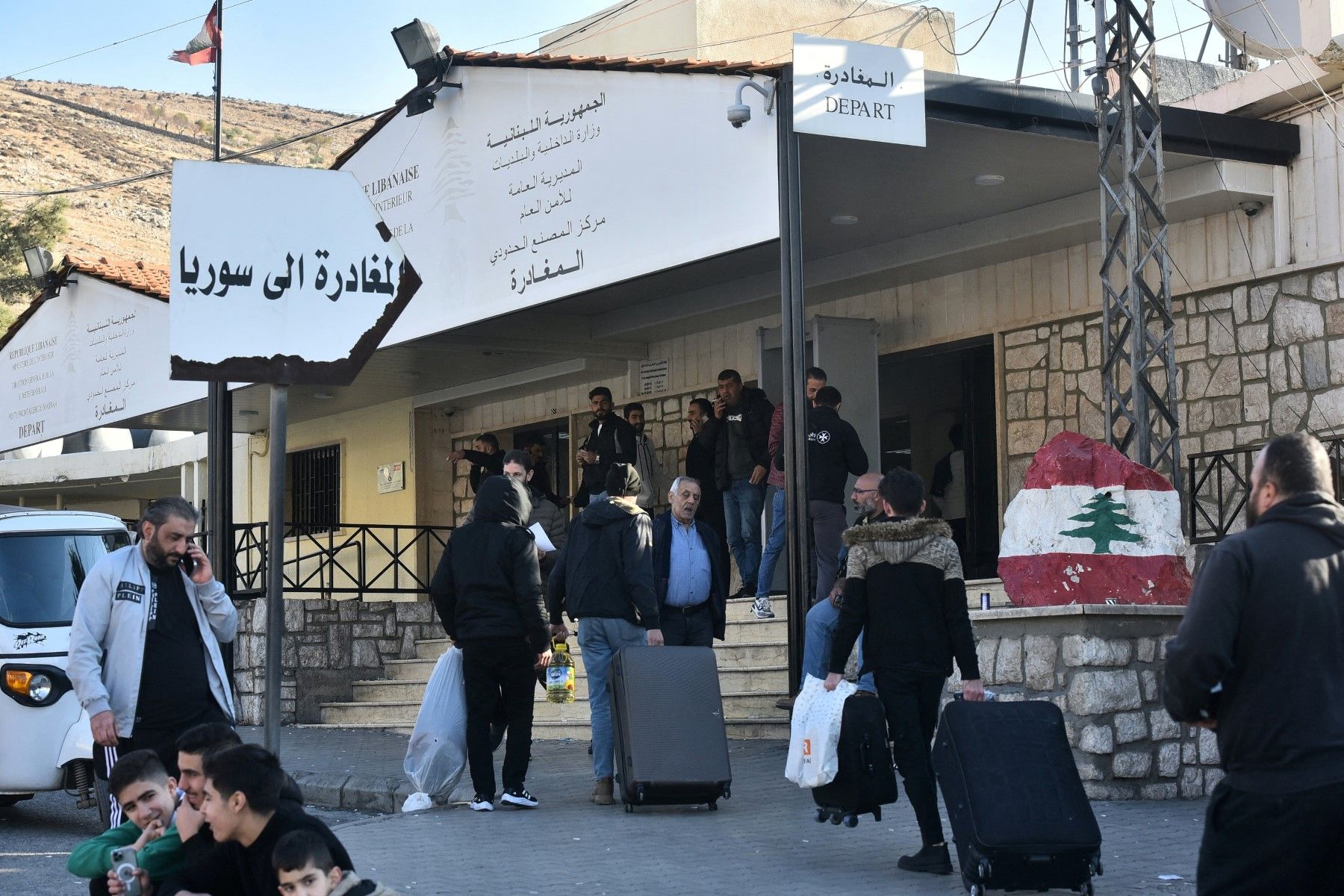
Lebanon, meanwhile, has not benefited from its neighbour's opening. The country lost its overland trade route to the Gulf when Syria's civil war began in 2011, and has since faced its own financial collapse, political instability, and the aftermath of the 2020 Beirut port explosion. Basic infrastructure — electricity, telecommunications, transport — remains severely deficient. The two countries' economic trajectories, once deeply intertwined, are now moving in opposite directions, with Syria attracting Gulf capital while Lebanon struggles to meet its most fundamental needs.