
مكنسة شفط الغبار الاحترافية
وفر 25%! اشترِ مكنسة شفط الغبار الاحترافية بسعر 369 د.ل فقط في ليبيا. متوفر حالي
🛒 تسوق الآن Libya Press
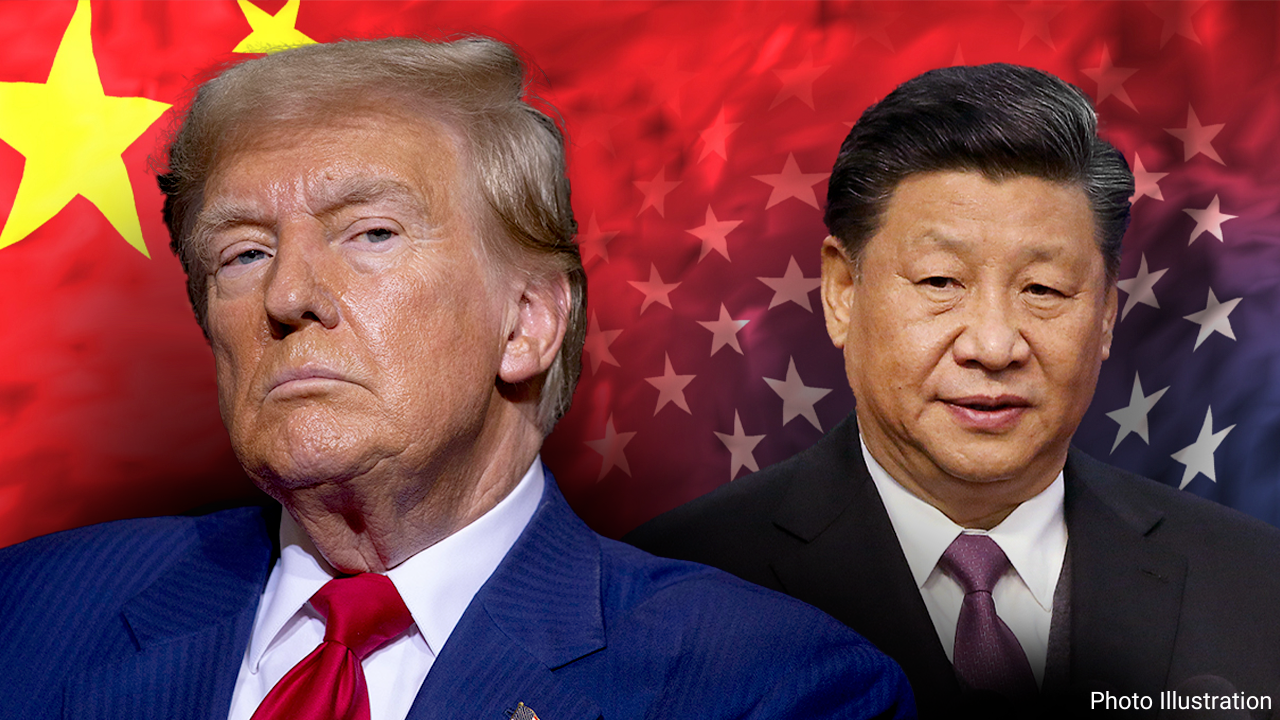
US President Donald Trump has denied raising the issue of tariffs with Chinese President Xi Jinping during his recent visit to Beijing, even as the world's two largest economies remain locked in a protracted trade dispute. The remarks came as Trump flew back to Washington on May 15, 2026, following high-stakes talks that covered a wide range of contentious files including trade, Taiwan, technology, and the ongoing war in Iran.
Speaking to journalists aboard Air Force One on his return journey, Trump said: "We didn't talk about it. They are paying tariffs, significant tariffs, but we didn't talk about it. We didn't broach the subject." The comments, reported by France-Presse and Libya's Al-Wasat portal, came just one day after the Trump-Xi meeting in Beijing on May 14, 2026. The denial is notable given that the US has maintained elevated tariffs on hundreds of billions of dollars worth of Chinese goods, a cornerstone of Trump's economic policy since his return to office. China remains one of America's largest trading partners, with bilateral trade exceeding 75 billion annually, making the tariff question one of the most consequential issues in the bilateral relationship.
The visit itself was marked by unprecedented security measures that underscored the deep mistrust between the two powers. According to reports from Al Jazeera and the New York Post, members of the US delegation were forced to discard all materials received during the visit — including temporary phones, badges, and business cards — in a basket placed beneath the stairs of Air Force One before departure. Trump himself was barred from using his personal phone throughout the trip, a significant departure from his well-known habit of posting on his Truth Social platform. White House staff used "burner phones" with limited functionality, and personal devices were stored in signal-blocking Faraday bags inside the presidential aircraft.
When asked about Chinese cyber-espionage accusations against the United States, Trump offered a blunt response: "That's how things are... We spy on them all the time too." Meanwhile, US Secretary of State Marco Rubio, speaking after the China visit, stated that Trump "has all options available" but wants to give diplomacy a full opportunity, particularly regarding the ongoing negotiations with Iran.
The tariff denial comes at a time of mounting pressure on multiple fronts for the Trump administration. The US economy is feeling the strain of the broader trade conflict, with fuel prices rising more than 50 percent, driving up costs across multiple sectors. Democrats in Congress are demanding that Trump seek authorization before continuing any military operations, adding domestic political pressure to an already complex geopolitical landscape. At the same time, the administration is navigating the 79th day of the US-Israeli military campaign against Iran, with Trump recently posting an image of warships in the Strait of Hormuz accompanied by the phrase "calm before the storm," signaling that further escalation remains possible if diplomatic efforts fail.
Analysts suggest that the decision to set aside the tariff issue during the Beijing summit may reflect a tactical choice by Trump to prioritize the Iran file and maintain Chinese cooperation on regional stability, rather than risking a breakdown in talks over trade. However, with no concrete progress announced on either the trade or Iran fronts, the coming weeks are likely to test whether the diplomatic approach can deliver results or whether the administration will shift toward more aggressive measures on both economic and military fronts.