
مضخة مياه الشرب
وفر 23%! اشترِ مضخة مياه الشرب بسعر 185 د.ل فقط في ليبيا. متوفر حالياً، الدفع عن
🛒 تسوق الآن Libya Press
The Trump administration's Equal Employment Opportunity Commission (EEOC) is pushing to eliminate the collection of corporate race and gender data — a move critics say would effectively blindfold the nation's fight against workplace discrimination. For women and minorities across America and those watching globally, including in Libya and the Arab world, this decision carries profound implications for equality and justice in the workplace.
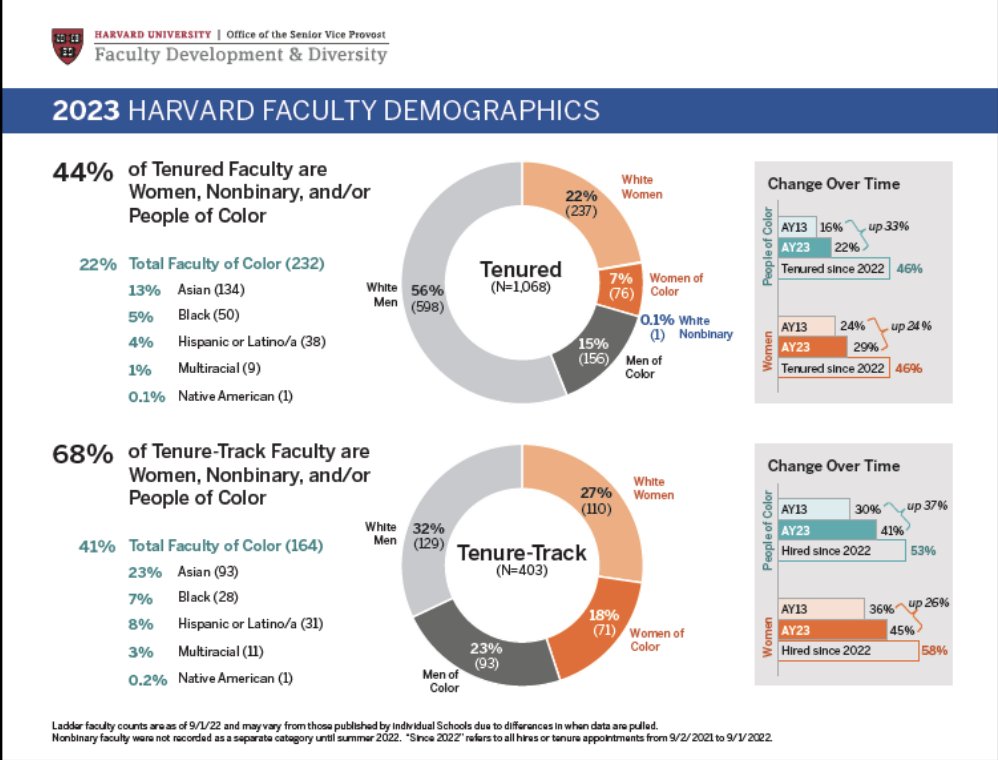
For decades, the EEOC has required large employers to report detailed workforce demographic data through the EEO-1 form. This data tracks the racial and gender composition of companies across different job categories, serving as a critical tool for identifying patterns of discrimination. The Trump administration now seeks to roll back these reporting requirements, arguing they impose unnecessary burdens on businesses. Critics counter that without this data, it becomes nearly impossible to detect systemic bias in hiring, promotions, and pay.
The proposed changes would shift race and gender data collection "into the shadows," as advocates put it — making it far harder for regulators, researchers, and the public to hold corporations accountable. Employment law experts warn that this move could set back decades of progress in workplace diversity and inclusion efforts across the United States.
Workplace discrimination against women is not uniquely American — it is a global challenge. In Libya and across the Arab world, women continue to fight for equal pay, fair hiring practices, and protection from harassment in the workplace. When a major power like the United States weakens its anti-discrimination infrastructure, it sends a signal to governments and corporations worldwide that such protections are optional.
Libyan women, who have been increasingly entering the workforce and public life since 2011, look to international standards and precedents. The rollback of EEOC data collection undermines the global framework for gender equality at work. Women's rights organizations in the region have long argued that transparency and data are essential tools for proving discrimination and demanding change.
Beyond gender, the elimination of race data collection threatens to erase visibility into racial discrimination in employment. Civil rights groups argue that what cannot be measured cannot be addressed. Without demographic reporting, companies could quietly maintain homogeneous workforces without facing any external scrutiny. This affects not only Black and Hispanic workers in America but also immigrant communities and people of color who depend on federal enforcement to protect their rights.
The move aligns with a broader pattern of the Trump administration rolling back diversity, equity, and inclusion (DEI) initiatives across federal agencies. Several major corporations have already scaled back their own DEI programs in response to political pressure, raising concerns that the private sector is following the government's lead in deprioritizing equality.
Legal challenges are expected from civil rights organizations and Democratic-led states. Advocacy groups are mobilizing to fight the proposed changes through lawsuits and public pressure campaigns. Meanwhile, some states like California and New York are exploring their own reporting requirements to fill the gap left by federal rollbacks.
For observers in Libya and the Arab world, this development is a reminder that the fight for workplace equality requires constant vigilance. International bodies like the International Labour Organization (ILO) and UN Women continue to push for stronger protections, but progress depends on governments choosing transparency over opacity. The world is watching whether America will lead on equality or step backward.
The stakes could not be higher. Data is the foundation of accountability, and without it, discrimination thrives in silence. Women and minorities — in the United States and around the world — deserve workplaces where fairness is not just promised but proven.