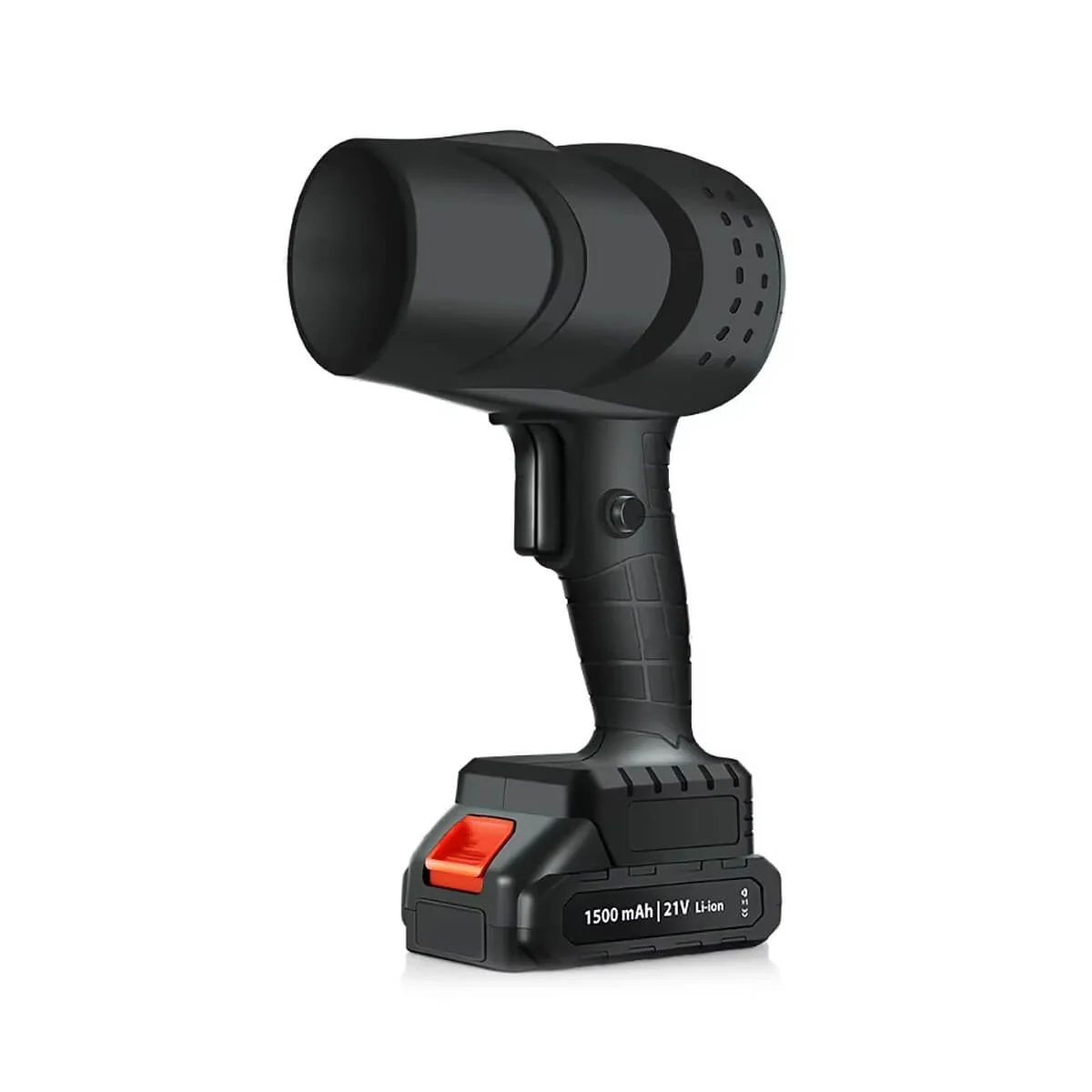
مروحة كهربائية توربينية لاسلكية
وفر 22%! اشترِ مروحة كهربائية توربينية لاسلكية بسعر 289 د.ل فقط في ليبيا. متوفر
🛒 تسوق الآن Libya Press
Donald Trump has announced plans to reimpose a full economic blockade on Cuba, escalating U.S. pressure on the island nation just months before the 2024 election. The proposed sanctions could cost Cuba $1.3 billion in annual losses, according to Havana’s Ministry of Economy, plunging the already struggling tourism and healthcare sectors into deeper crisis.
The U.S. has maintained economic sanctions on Cuba since 1960, with the full embargo codified in 1962 under President John F. Kennedy following the Cuban Revolution and the nationalization of American-owned businesses. The 1959 revolution, led by Fidel Castro and Che Guevara, overthrew the U.S.-backed dictator Fulgencio Batista and shifted Cuba toward the Soviet bloc. In 1961, Kennedy backed the failed Bay of Pigs invasion by CIA-trained Cuban exiles — a defeat that only strengthened Castro’s grip and deepened U.S. hostility.
The ongoing blockade has prevented Cuba from accessing critical medical supplies, food, and technology — despite UN resolutions condemning it as a violation of international law. Cuba estimates cumulative losses exceeding $150 billion since 1960.
Cuban President Miguel Díaz-Canel condemned the proposed Trump sanctions during a May 2026 address to the National Assembly:
“The blockade is not just an economic siege — it is a crime against humanity. Every day, Cuban families lose loved ones because U.S. companies refuse to sell insulin. Every day, hospitals shut down operating rooms because pumps are denied entry. We will not negotiate our sovereignty — but we will continue to appeal to the conscience of the world.”
Díaz-Canel’s remarks come amid growing unrest in rural provinces, where blackouts lasting 12+ hours have sparked protests — a stark contrast to the 2021 demonstrations that were met with mass arrests.
Libya has experienced its own foreign interference and external pressure — from UNSC resolutions limiting arms imports to international banks blocking Libyan financial transactions. The U.S. “maximum pressure” playbook used against Cuba, Iran, and Venezuela has become standard policy for reshaping foreign governments without military invasion.
Libyan businesses importing medical equipment, fuel, or machinery face similar U.S. secondary sanctions — a reality that stretches from Tripoli’s hospitals to Misrata’s factories. When the U.S. cut off Cuba from SWIFT, it sent a chilling message to any nation daring to defy Washington’s geopolitical agenda. Libya, still fragmented after 14 years of conflict, cannot afford to become the next target.
The Cuba crisis underscores a harsh truth: sovereignty in the 21st century is not granted — it is defended. For Libya, the path forward lies in three bold steps: first, establish sovereign financial infrastructure to bypass U.S. sanctions; second, deepen ties with non-Western partners — China, Russia, Turkey — to diversify trade; and third, prioritize national unity over foreign alignment. The revolutionary spirit of 1959 reminds us that small nations can resist imperial pressure — but only if they act together, decisively, and without fear.