
نظارات واقية للدراجات النارية
وفر 24%! اشترِ نظارات واقية للدراجات النارية بسعر 219 د.ل فقط في ليبيا. متوفر حا
🛒 تسوق الآن Libya Press
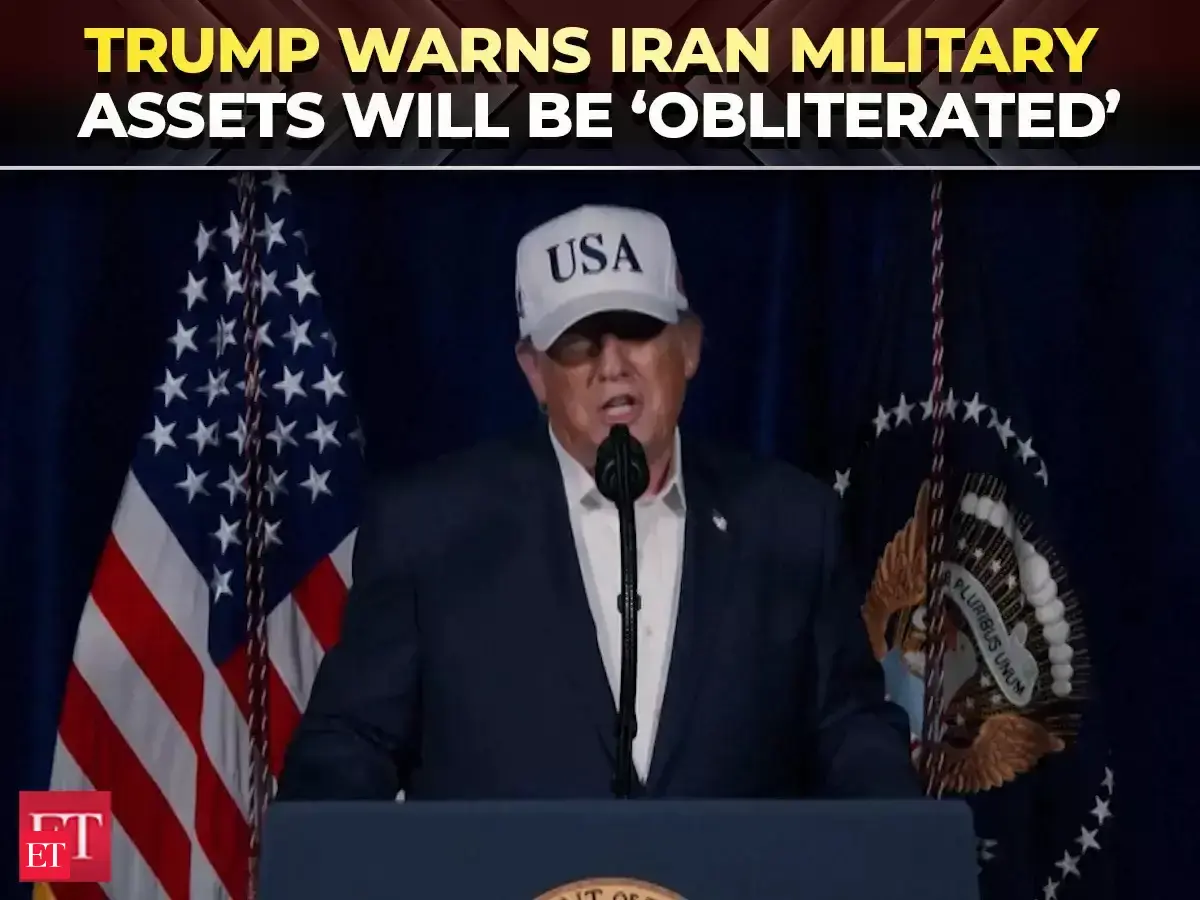
US President Donald Trump has declared that the military destruction of Iran will continue, issuing a stark warning amid stalled negotiations and heightened tensions in the Gulf region. The remarks, posted on his Truth Social platform, came as Israel raised its alert status and Pakistan pushed for diplomatic intervention to prevent a renewed escalation.
Trump wrote on Truth Social: "The military destruction of Iran will continue," citing what he described as his administration's successes and a sharp contrast with the Biden era. He claimed the United States suffered under "open borders, high taxes, transgender equality policies, men in women's sports, diversity and equity policies, catastrophic trade deals, and rampant crime" during the previous administration.
Trump highlighted what he called the "remarkable rise" of the United States over the past sixteen months, including an unprecedented surge in stock markets and retirement accounts, a military victory and flourishing relations in Venezuela, and what he described as a "crushing military defeat and the ongoing military destruction of Iran." He stated that the US military is "the strongest army on the farth by far" and that foreign investment in the United States has reached 18 trillion dollars.
Al Jazeera reported that Trump posted an image on Truth Social showing warships in the Strait of Hormuz alongside a boat flying the Iranian flag, with the caption "calm before the storm." The post came one week after Trump rejected Iran's response to a Washington proposal to end the war. Trump told French channel BFM that Iran will face "an extremely difficult time" if no agreement is reached, adding that he does not know whether a deal will be reached soon but that "it is better for Iran to make an agreement."
CNN reported divisions within the Trump administration over how to proceed with Iran, with officials and Pentagon leaders pushing for targeted strikes while others favor diplomacy. White House spokesperson Anna Kelly stated that the President "has all options available" but that his "preferred choice is diplomacy," adding that "the President will only accept an agreement that protects our national security."
The New York Times reported that senior Trump aides have drawn up plans to resume military strikes on Iran if the President decides to break the deadlock with more force. Options include more aggressive bombing raids on military targets and infrastructure, as well as deploying special operations forces on the ground to search for buried nuclear materials. Hundreds of special operations forces were deployed to the Middle East in March specifically to provide Trump with this option.
On the Israeli side, Channel 13 reported a high state of alert in anticipation of a possible resumption of war. The Israeli military is reportedly preparing for a scenario in which Iran could launch dozens of missiles daily in the first days of renewed conflict. Plans reportedly include targeting infrastructure, energy facilities, and power stations, as well as assassination operations against senior Iranian leadership figures. Israeli officials told Yedioth Ahronoth that the army is at its highest level of readiness but estimated the probability of war resuming at 50 percent, noting that "everything depends on one person's decision" — a reference to Trump.
Trump's threats come on the heels of his visit to China, where he held talks with President Xi Jinping on several files including the war with Iran. US media reported that no meaningful progress was made in those discussions. CNN cited administration officials saying they want to follow up on the results of the Trump-Xi talks before determining a path forward on Iran.
Iran, meanwhile, has affirmed its sovereignty over the Strait of Hormuz, a critical global oil chokepoint through which roughly 20 percent of the world's oil supply passes. The combination of military posturing, diplomatic deadlock, and regional escalation creates a volatile situation with far-reaching implications for global energy markets and Middle East stability.
As the world watches the Strait of Hormuz and diplomatic channels remain open through Pakistani mediation efforts, the coming days will be critical in determining whether the region moves toward de-escalation or a dangerous new chapter of conflict.