
ملعقة إلكترونية ميزان
وفر 23%! اشترِ ملعقة إلكترونية ميزان بسعر 268 د.ل فقط في ليبيا. متوفر حالياً، ال
🛒 تسوق الآن Libya Press
As the Hijri New Year begins, Tunisian kitchens come alive with the aromas of moloukhiya and couscous — two dishes that have anchored family celebrations for generations. More than just meals, these recipes carry deep symbolic meaning: moloukhiya represents optimism and renewal, while couscous with dried meat (qadid) connects families to centuries-old religious traditions. For millions of Tunisians, the first day of Muharram is incomplete without these iconic plates on the table.
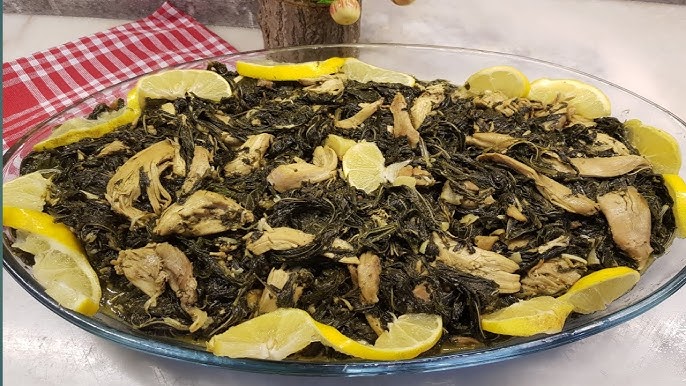
Moloukhiya — a rich, green stew made from jute leaves — is the centerpiece of the Hijri New Year's first day. Prepared with lamb or beef and seasoned with garlic and coriander, the dish is traditionally served over crusty bread. Chef Mohamed Saleh Al-Shatter, a specialist in Tunisian cuisine, explains that moloukhiya carries a message of hope: "These dishes are not just food. They are part of the intangible heritage that Tunisians hold onto despite changing generations. Moloukhiya means optimism."
Couscous with Qadid (dried lamb meat from Eid Al-Adha) is prepared in the final days of Dhul Hijjah and served at the start of Muharram. The couscous is traditionally decorated with hard-boiled eggs and handmade sweets, presented in a ceramic vessel. Al-Shatter notes that this dish reflects a deep connection to religious occasions: "Couscous with qadid is a link to ancient traditions that mirror the bond with religious celebrations, especially since it is prepared from dried sacrificial lamb meat."
"Every dish has its symbolic significance," says Chef Mohamed Saleh Al-Shatter. "Moloukhiya means optimism, and couscous with qadid is a connection to ancient traditions that reflect the bond with religious occasions." His words capture why these recipes endure: they are not merely about flavor, but about identity, memory, and the passing of values from one generation to the next. In a rapidly modernizing Tunisia, the Hijri New Year table remains a powerful anchor to cultural roots.
Tunisia's Hijri New Year food traditions resonate far beyond its borders. In Libya, Algeria, and Morocco, families gather around similar dishes to mark the Islamic New Year. The use of moloukhiya and couscous as celebratory foods reflects a shared North African culinary identity that transcends national boundaries. For Libyan readers, these traditions mirror their own family tables — where food is never just food, but a language of love, faith, and belonging. Understanding Tunisia's customs offers a window into the broader tapestry of Maghrebi culture that Libyans are an integral part of.
As another Hijri year begins, the moloukhiya pot simmering on a Tunisian stove is more than a meal — it is a declaration that heritage matters, that family bonds endure, and that optimism is a choice made anew every year. Whether in Tunis, Tripoli, or beyond, these dishes remind us that the most powerful traditions are the ones we taste, share, and pass on. Happy Hijri New Year to all.
— LibyaPress / Women's Desk