
مصباح متعدد الاستعمالات للمخيمين
وفر 23%! اشترِ مصباح متعدد الاستعمالات للمخيمين بسعر 169 د.ل فقط في ليبيا. متوفر
🛒 تسوق الآن Libya Press
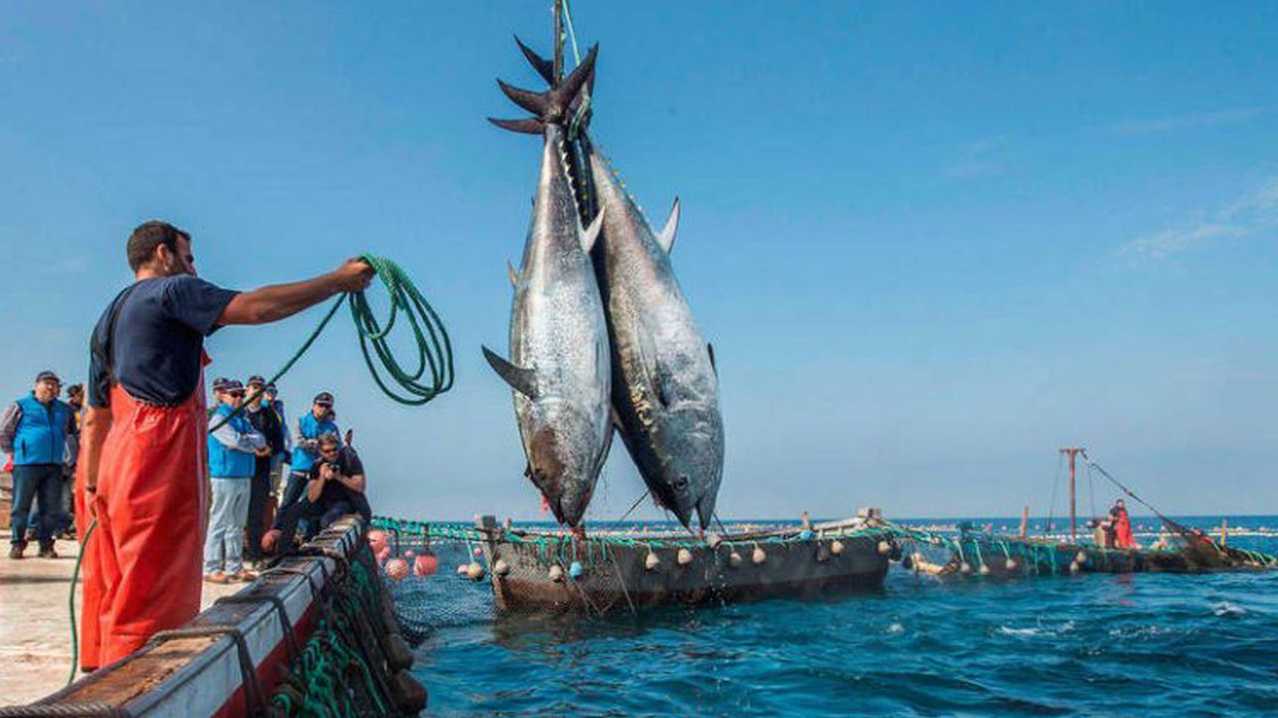
Libya is charting a new course for its maritime economy. On Monday, Minister of State Mohammed bin Ghulbun chaired a high-level meeting to discuss the National Fisheries Strategy for 2027–2037, a comprehensive plan to transform the country's fishing and aquaculture sectors. The strategy sets an ambitious target of $100 million in annual seafood exports and aims to position Libya as a competitive player in the regional blue economy.
The meeting brought together the chairman of the Libyan Fund for Internal Investment and Development, representatives from the General Union of Fishermen, and senior government officials. Together, they reviewed proposed programs to organize the fisheries sector, boost production efficiency, and attract investment in both fishing and fish farming — all aligned with Libya's broader economic development goals for the coming decade.
The strategy outlines several measurable objectives that underscore its ambition. By 2037, Libya plans to increase aquaculture production to 100,000 tons annually, create up to 15,000 new jobs, and significantly expand the contribution of the blue economy to the country's non-oil GDP. These targets reflect a deliberate effort to diversify Libya's revenue streams beyond hydrocarbons — a priority that has gained urgency amid volatile oil markets and growing demand for sustainable food sources.
The plan also emphasizes modernizing regulatory frameworks and supporting investments in line with technological advancements. For a country with over 1,700 kilometers of Mediterranean coastline, the potential is enormous — but so are the governance and sustainability challenges.
The fisheries sector has long been an underutilized asset in Libya's economy. While the country possesses rich marine biodiversity and a strategic Mediterranean location, decades of underinvestment and limited infrastructure have kept the sector far below its potential. The new strategy signals a recognition that sustainable fisheries development can contribute meaningfully to food security, employment, and export diversification — three of Libya's most pressing national priorities.
Regional neighbors have already demonstrated what is possible. Morocco's fisheries sector, for example, produced over 1.1 million tons in 2024, valued at approximately $3.8 billion, and contributed significantly to GDP and employment. Libya's strategy appears designed to learn from these regional models while tailoring approaches to local conditions and needs.
Despite the optimism surrounding the strategy, significant hurdles remain. Environmental sustainability is a critical concern — overfishing of key species such as sardines and octopus has been documented across the Mediterranean, and Libya's waters are no exception. The strategy will need to balance ambitious production targets with robust conservation measures to ensure long-term viability.
Market access and infrastructure also pose challenges. Libya's fishing ports and processing facilities require substantial upgrades to meet international export standards, while reliable cold-chain logistics are essential for reaching European and regional markets. The involvement of the Libyan Fund for Internal Investment and Development suggests financing mechanisms are being addressed, but execution will determine success.
The 2027–2037 timeframe allows for phased implementation, building institutional capacity and attracting private investment. The inclusion of the General Union of Fishermen in planning is a positive sign — ensuring that those who depend on the sea for their livelihoods are heard at the highest levels of government.
As Libya works to diversify its economy, the National Fisheries Strategy represents one of the most concrete plans on the table. If executed effectively, it could transform a neglected sector into a pillar of sustainable growth — creating jobs, feeding families, and generating export revenue for generations.
— LibyaPress / Economy Desk