
قطاعة الخضر
وفر 22%! اشترِ قطاعة الخضر بسعر 250 د.ل فقط في ليبيا. متوفر حالياً، الدفع عند ال
🛒 تسوق الآن Libya Press
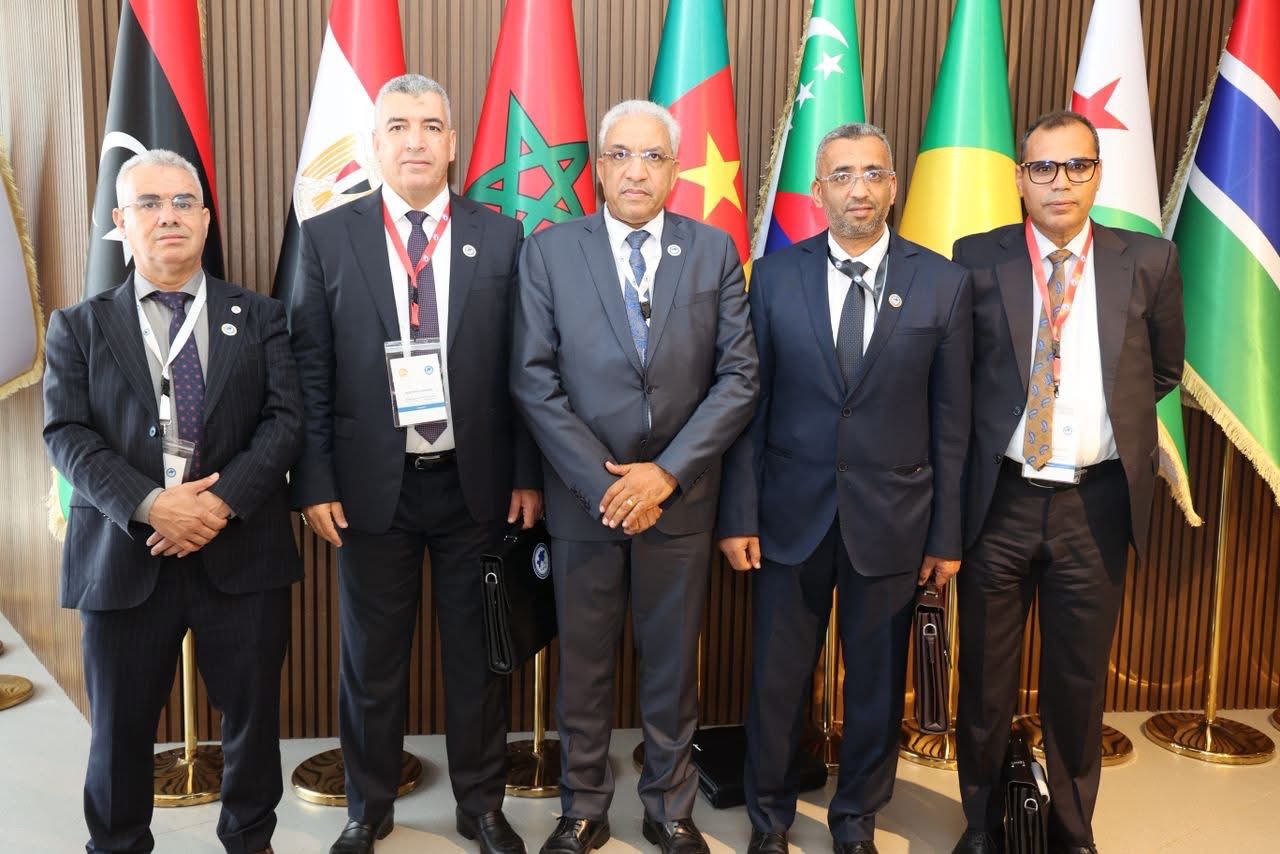
The city of Benghazi is hosting the 2nd General Conference of the Asian-African Parliamentary Council on June 15–16, 2026, bringing together parliamentary delegations from more than 30 countries across Asia and Africa. Under the theme "The Future Vision for Asian-African Relations," the conference represents a landmark diplomatic event for Libya and signals Benghazi's return to the international stage. Morocco's First Vice-President of the House of Representatives, Mohamed Sabbar, is leading a prominent parliamentary delegation, underscoring the weight North African nations are placing on this emerging inter-parliamentary body.
In a keynote address delivered on behalf of the Moroccan Parliament, Sabbar traced the founding journey of the Asian-African Parliamentary Council from its inception. He highlighted Morocco's instrumental contributions during the Beirut conference, which saw the Council's official establishment and the adoption of its founding charter. Sabbar emphasized that this new parliamentary space is called upon to play a more active role in coordinating legislative initiatives, sharing expertise and experiences among Asian and African parliaments, and strengthening cooperation to serve the interests of people across both continents while safeguarding their dignity and national sovereignty.
"Parliamentary dialogue is not merely an institutional mechanism for exchanging views," Sabbar stated during the conference proceedings. "It is a bridge for understanding between nations and peoples, a lever for strengthening mutual trust, and an essential tool for establishing lasting peace based on the principles of justice, cooperation, and mutual respect." His remarks struck a chord with delegates who view the Council as a vital platform for fostering legislative coordination and building consensus on shared challenges, from economic development to regional security.
For Libya, hosting this conference carries profound symbolic and strategic significance. Benghazi — a city that endured years of devastating conflict — is reclaiming its historic role as a crossroads of cultures and diplomacy. The event marks another step in Libya's ongoing efforts to reintegrate into regional and global institutions after years of isolation. The Asian-African Parliamentary Council, still in its formative stages, represents a new model of South-South parliamentary cooperation that could shape trade agreements, security frameworks, and development policies across both continents. For ordinary Libyan citizens, stronger diplomatic ties forged at gatherings like this could translate into new economic partnerships, investment opportunities, and a more stable future.
Morocco's high-level participation reflects Rabat's broader strategy of deepening engagement with Asian and African partners. Under King Mohammed VI, Morocco has pursued an active South-South cooperation agenda, investing heavily in Africa through trade deals, infrastructure projects, and diplomatic outreach. The presence of a five-member parliamentary delegation led by the First Vice-President signals that this engagement extends beyond the executive branch to the legislative sphere, adding a new dimension to Morocco's continental ambitions.
The conference is expected to produce a joint declaration outlining concrete steps for enhanced parliamentary cooperation, including regular exchange programs, joint legislative committees, and mechanisms for coordinating positions on international issues. As the Council builds on the foundation established in Beirut, Libya's role as host reinforces its commitment to multilateral diplomacy and regional leadership. For Libyans watching their country welcome the world once again, this moment offers a powerful glimpse of a more connected, stable, and prosperous future.
— LibyaPress / Politics Desk