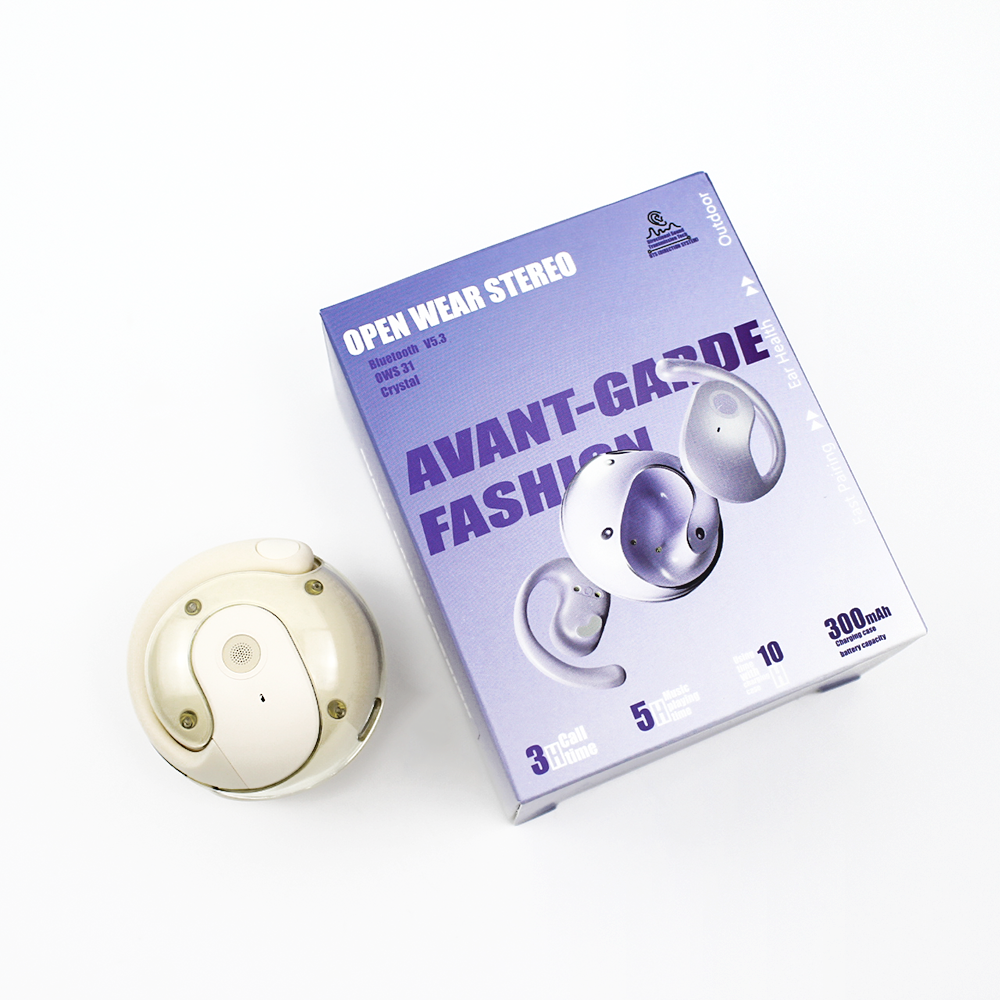
سماعات الاذن
وفر 24%! اشترِ سماعات الاذن بسعر 290 د.ل فقط في ليبيا. متوفر حالياً، الدفع عند ا
🛒 تسوق الآن Libya Press
The Union for the Mediterranean (UfM) Regional Platform on Women Empowerment convened 60 representatives from 26 member states on 12 May 2026 to assess progress on gender equality commitments and chart the course ahead for women's empowerment across the Euro-Mediterranean region. The online meeting served as a critical checkpoint ahead of an in-person gathering planned for November 2026 in Barcelona.
The meeting focused on implementing the 2022 5th UfM Ministerial Declaration on Strengthening the Role of Women in Society, translating its political commitments into measurable actions. Discussions were framed within the context of the 70th session of the Commission on the Status of Women (CSW70), the European Commission Gender Equality Strategy, and the EU Pact for the Mediterranean. The UfM Secretariat presented an updated roadmap structured around six strategic pillars: economic empowerment, climate action and women peace and security, ending violence, leadership, monitoring, and partnerships. The platform also launched the next Gender Equality Monitoring Mechanism exercise, which will measure progress on women's rights between 2020 and 2025 using 20 indicators across four priority areas, drawing on data from UN Women, the World Bank, ILO Stats, and other international databases.
Petra Kežman, Deputy Secretary General for Human Development at the UfM Secretariat, emphasized the growing recognition of women's empowerment as integral to regional resilience and prosperity. "Across the UfM agenda, women's empowerment is increasingly recognised not as a standalone issue, but as essential to the future resilience and prosperity of our region," Kežman stated. She highlighted that recent UfM initiatives — from employment and economic participation to climate, innovation, and education — all share the objective of ensuring women are recognised as leaders, innovators, and agents of change, not merely beneficiaries. Representatives from the OECD, UNDP, and the European Commission discussed emerging priorities including women's participation in public life and labour markets, the role of private sector in job creation for women, access to finance for women entrepreneurs, and opportunities in the green, digital, and care economies.
Discussions identified several pressing challenges requiring further attention, including digital violence against women and girls, the gendered impacts of the climate crisis, and women's role in peace and security. The first monitoring exercise, conducted during the COVID-19 pandemic in 2021 and published in March 2022, revealed the disproportionate impact of the crisis on women across the region. The platform began preparations for the November 2026 in-person meeting in Barcelona, including initial reflections toward a possible new Ministerial Declaration in 2027. The meeting reaffirmed the importance of regional dialogue, collective action, and sharing best practices to close the gender gap across the Euro-Mediterranean region.
As the UfM prepares for its next ministerial cycle, the operationalisation of the gender equality monitoring mechanism will be crucial in holding member states accountable and ensuring that commitments made at the highest political level translate into tangible improvements in the lives of women and girls across the Mediterranean.