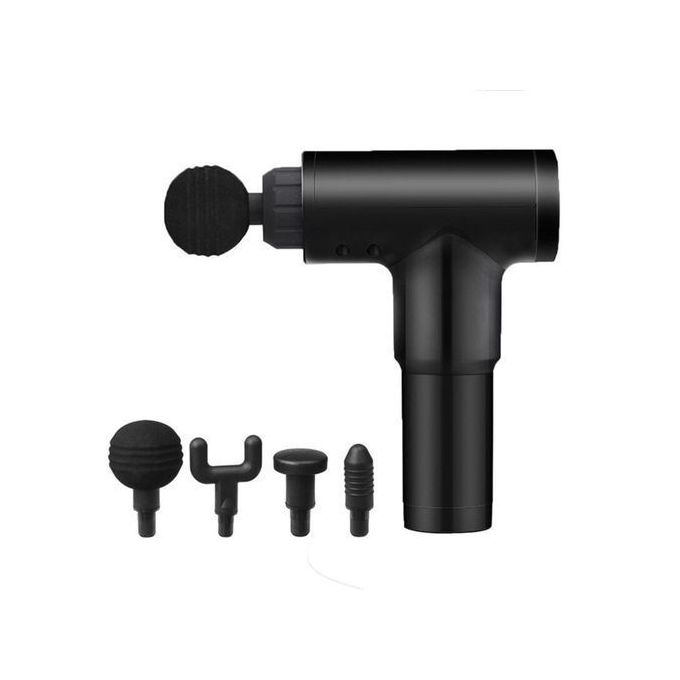

ملعقة إلكترونية ميزان
وفر 23%! اشترِ ملعقة إلكترونية ميزان بسعر 268 د.ل فقط في ليبيا. متوفر حالياً، ال
🛒 تسوق الآن Libya Press
The United Nations has praised the Central Bank of Libya (CBL) for advancing what it called "genuine and comprehensive" economic reform in the country. The commendation came after a high-level meeting on April 28, 2026, between CBL Governor and UN officials in Tripoli, marking a significant endorsement of Libya's reform agenda.
CBL Governor met with Ulrika Richardson, Deputy Special Representative of the UN Secretary-General and UN Resident Coordinator in Libya, alongside the UN economic team and senior CBL department directors. The discussion focused on how the UN would support a comprehensive reform package aimed at achieving lasting economic stability across the country.
The UN economic team, which supervises and directs economic reform efforts in Libya, expressed strong confidence in the Central Bank's readiness to move forward with priority reforms. This endorsement signals growing international trust in Libya's financial institutions after years of political division.
The meeting outlined several critical reform pillars, including developments in the foreign exchange market and measures to achieve long-term financial sustainability. Discussions also addressed the readiness of Libyan institutions to implement recommendations from the Structured Dialogue, particularly within the economic track sponsored by the UN mission.
Updates were also provided on Libya's financial situation following the signing of the unified public expenditure agreement — a landmark achievement that brought together rival administrations under a single fiscal framework.
Both sides agreed on the need for a sequenced reform roadmap to support the gradual and effective implementation of economic measures. Priority areas were identified to maintain macroeconomic stability, including monetary policy coordination, banking sector strengthening, and improved public financial management.
The CBL emphasized its commitment to maintaining stability while pursuing reforms that address long-standing structural challenges in Libya's oil-dependent economy. The bank has been working to unify monetary policy across eastern and western regions, a critical step toward sustainable recovery.
The UN's public commendation represents a major vote of confidence in Libya's economic direction at a time when the country continues to navigate complex political dynamics. International support remains essential for Libya to attract foreign investment, rebuild infrastructure, and diversify its economy beyond oil revenues.
As the reform roadmap takes shape, all eyes will be on the Central Bank's ability to deliver tangible results — bringing hope for improved living conditions and economic opportunities for millions of Libyans.