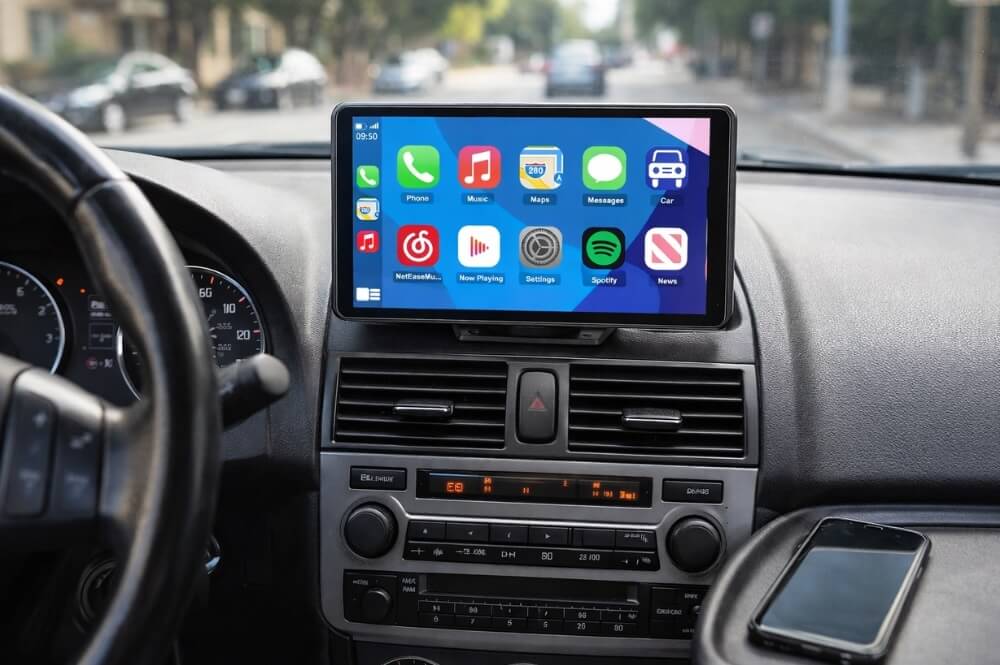
شاشة سيارة لاسلكية
وفر 27%! اشترِ شاشة سيارة لاسلكية بسعر 1065.6 د.ل فقط في ليبيا. متوفر حالياً، ال
🛒 تسوق الآن Libya Press
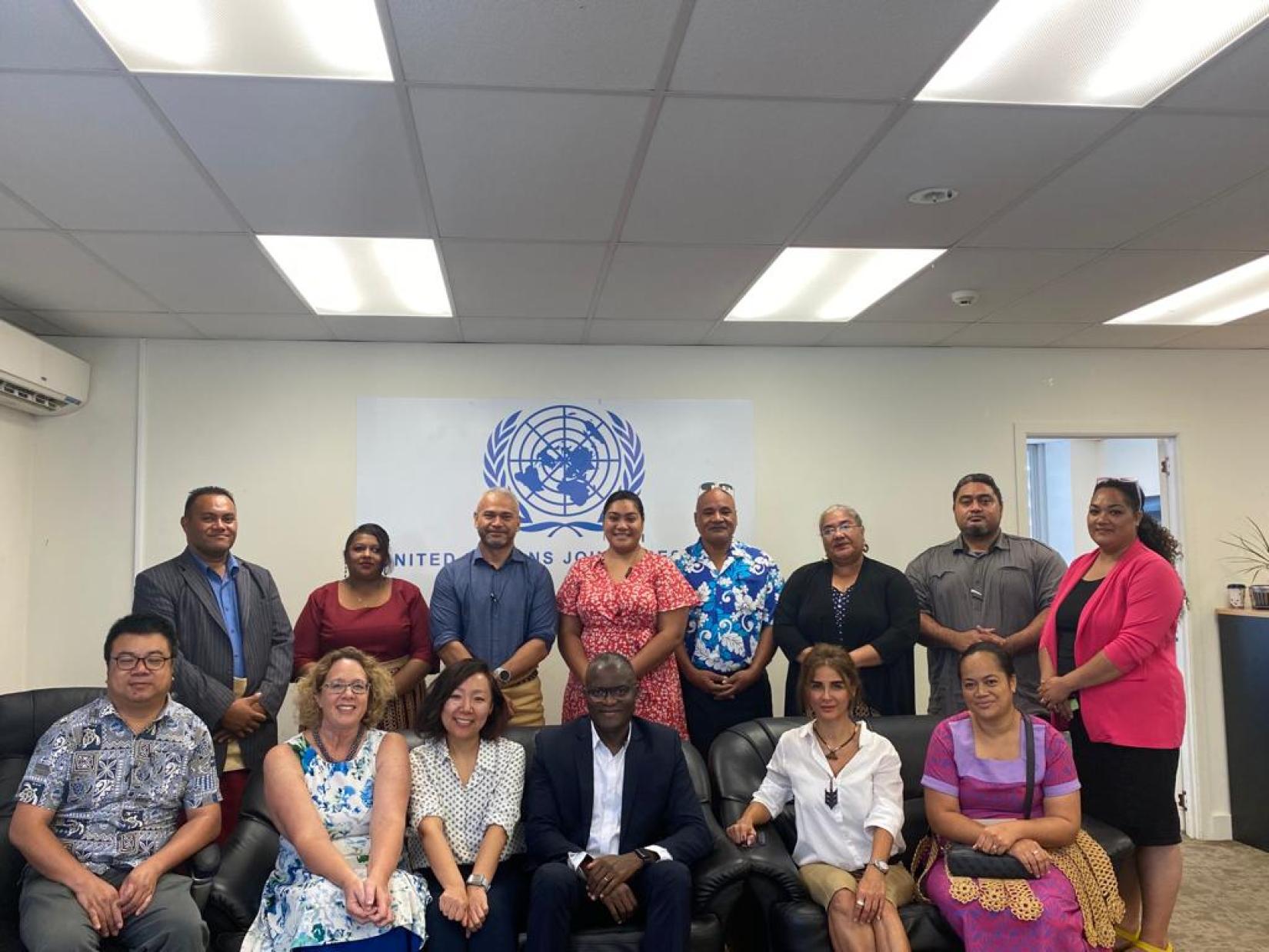
The United Nations Support Mission in Libya (UNSMIL) announced on Wednesday that members of the 4+4 mini-dialogue committee had reached a consensus on the presidential election law, marking a significant breakthrough in Libya's prolonged political stalemate. The agreement, which builds on weeks of intensive negotiations, covers the legal framework required to conduct presidential elections alongside parliamentary polls.
According to the Mission, the discussions took place in a positive and constructive atmosphere, with participants reaching an agreement on the presidential election law. This consensus represents the first concrete legislative progress on electoral rules since the failure of the 2021 elections and could pave the way for ending Libya's governance crisis that has persisted for over a decade.
The 4+4 committee — comprising representatives from Libya's High National Elections Council and the Joint Committee from the House of Representatives and the High State Council — has been working to resolve outstanding disputes over the constitutional and legal basis for elections. The latest round of talks focused specifically on the presidential election law, which had been a major point of contention between eastern and western Libyan political factions.
Key elements of the consensus include:
Libya has been trapped in a cycle of political paralysis since the collapse of the planned December 2021 elections, which were derailed over disputes about candidate eligibility and the legal basis for voting. The country has since operated with two rival governments — the Tripoli-based Government of National Unity led by Prime Minister Abdul Hamid Dbeibah and the eastern-based administration supported by Field Marshal Khalifa Haftar's Libyan National Army.
The UN has repeatedly emphasized that elections represent the only viable path to resolving Libya's legitimacy crisis. Previous mediation efforts, including the now-defunct Libyan Political Dialogue Forum, failed to produce a lasting agreement on electoral rules. The 4+4 committee format was established as a more targeted approach to break the legislative impasse.
The United Nations has welcomed the consensus as a critical step forward. UNSMIL, which has been facilitating the committee's work, described the outcome as evidence that Libyan political actors can find common ground when dialogue is sustained and structured. The Mission indicated that technical teams would now work on finalizing the legal text for formal adoption by Libya's legislative bodies.
Regional and international stakeholders have also expressed cautious optimism. The European Union and several Arab League member states have called on Libyan institutions to build on this momentum and move toward holding elections within a defined timeframe. The United States and United Kingdom have similarly urged all parties to honor the agreement and avoid actions that could derail the process.
For ordinary Libyans, the consensus on election law represents a rare glimmer of hope in a country exhausted by years of division, economic instability, and deteriorating public services. Libya's population of approximately 7 million people has endured rolling blackouts, banking crises, and the collapse of basic infrastructure — all exacerbated by the absence of a unified, legitimate government.
The agreement could unlock billions of dollars in frozen international reconstruction funds and restore Libya's standing in the global community. However, previous electoral agreements have collapsed at the implementation stage, and Libyans remain wary of political promises that fail to translate into tangible change on the ground.
The immediate next step involves the formal ratification of the agreed-upon legal text by both the House of Representatives and the High State Council. UNSMIL has indicated it will continue to provide technical and logistical support to ensure the process moves forward without delay. The Mission has also called on all Libyan stakeholders to prioritize national interest over partisan calculations.
While significant obstacles remain — including security arrangements, the status of armed groups, and the question of candidate eligibility — Wednesday's consensus demonstrates that progress is possible. For a country that has seen its democratic aspirations repeatedly deferred, this agreement offers a concrete, if fragile, foundation for Libya's political future.
— LibyaPress / Politics Desk