
جهاز توجيه واي فاي محمول مزود بفتحة SIM
وفر 46%! اشترِ جهاز توجيه واي فاي محمول مزود بفتحة SIM بسعر 259.2 د.ل فقط في ليب
🛒 تسوق الآن Libya Press
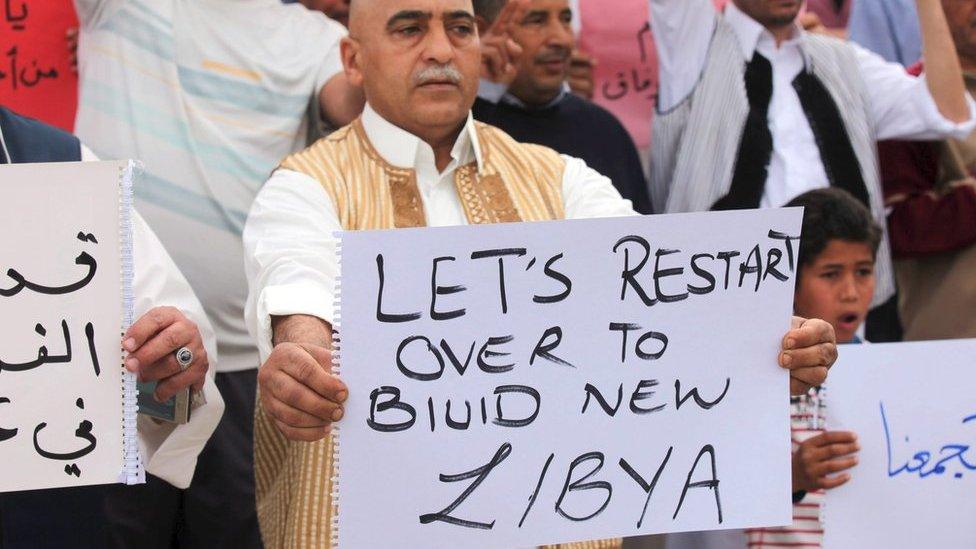
In a significant development that could reshape Libya's political future, a new international initiative aimed at unifying the country's fractured institutions has garnered unprecedented support from key global and regional stakeholders. The initiative, which emerged in the last 24 hours, seeks to bridge the deep divide between eastern and western Libya — a split that has persisted since the fall of Muammar Gaddafi's regime in 2011. With repeated international mediation efforts having failed over the past decade, this latest push represents what analysts describe as the most promising diplomatic opening in years.
Since 2011, Libya has endured a prolonged political and security crisis, with rival administrations governing the country's east and west. The United Nations has led multiple mediation tracks, yet none have produced a lasting settlement. The latest initiative comes amid growing international fatigue with Libya's instability and its ripple effects across North Africa and the Mediterranean. According to recent reports, the proposal centers on a power-sharing framework that would integrate competing governmental bodies into a unified executive authority — a model that has been discussed but never successfully implemented.
Libyan political analyst and journalist Husam al-Din al-Taib, speaking on a recent broadcast, noted that "the Libyan people have heard promises of unity before, but what distinguishes this initiative is the level of international coordination behind it." Meanwhile, political activist Ahmad al-Ashibi from Misrata emphasized that "any solution must reflect the will of Libyans themselves, not be imposed from outside." These voices capture the delicate balance between hope and skepticism that defines public sentiment across the country.
For ordinary Libyans, the stakes of this unification initiative could not be higher. The political division has directly impacted daily life — from banking services and currency stability to access to healthcare and education. A successful political settlement would unlock international investment, stabilize the Libyan dinar, and restore basic services that have deteriorated over eleven years of conflict. The unification of state institutions is also seen as a prerequisite for addressing the country's massive infrastructure deficit and creating employment opportunities for Libya's predominantly young population. For millions of citizens who have lived through repeated cycles of violence and political uncertainty, this initiative represents a potential turning point.
The coming weeks will be decisive. Diplomatic observers note that the current alignment of international interests — combined with growing domestic pressure for stability — creates a narrow but real window of opportunity. The United States and European partners are expected to intensify engagement with Libyan stakeholders in the immediate term. While significant obstacles remain, including entrenched militia interests and regional power dynamics, the unprecedented breadth of support for this initiative offers genuine reason for cautious optimism. Libya stands at a crossroads, and the path chosen in the days ahead could determine the country's trajectory for a generation.
— LibyaPress / Politics Desk