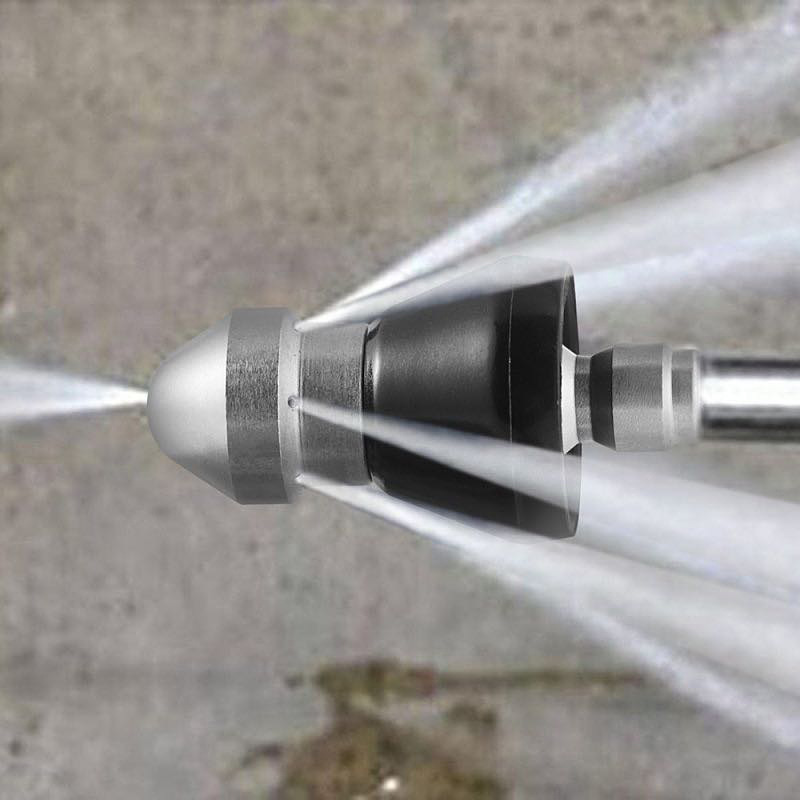
أداة تنظيف الصرف
وفر 22%! اشترِ أداة تنظيف الصرف بسعر 219 د.ل فقط في ليبيا. متوفر حالياً، الدفع ع
🛒 تسوق الآن Libya Press
Washington is accelerating its diplomatic campaign to resolve Libya's decade-long political crisis, with multiple high-level contacts between US officials and Libyan leaders from both East and West unfolding over the past 48 hours. The flurry of activity — led by Massad Boulos, US President's Adviser for Arab and African Affairs — suggests a new American-backed power-sharing framework is approaching implementation, according to informed sources speaking to regional media on June 14, 2026.
The initiative aims to break an eight-month deadlock in UN-mediated structured dialogue between Libya's rival legislative bodies. Mohammed Al-Imadmi, spokesperson for the UN Mission in Libya, previously acknowledged that despite eight months of consultations, neither council had made meaningful progress toward even initial reform steps.
Massad Boulos conducted direct phone conversations with four senior Libyan figures representing the country's main power centers: Abdul Hamid Dbeibeh, head of the Government of National Unity in Tripoli; Saddam Haftar, deputy commander of the self-styled Libyan National Army in the East; Abdul Salam Al-Zoubi, Deputy Defense Minister; and Belqasem Haftar, Director General of the Development and Reconstruction Fund in Benghazi. Simultaneously, US Chargé d'Affaires Jeremy Brent intensified shuttle diplomacy between Tripoli and Benghazi, holding meetings with senior military commanders across Libya's three regions.
Husain Abidi, professor of international relations at the University of Geneva, told Al Jazeera that the American approach seeks to "legitimize the current map of influence." Notably, Boulos's public statements have made no mention of elections — prioritizing stability over democratic transition. Former US State Department North Africa chief William Lawrence noted that Boulos is focusing on the Haftar and Dbeibeh families to broker a deal modeled partly on Lebanon's Taif Agreement, with one version suggesting a Haftar family member assumes a presidential role while Dbeibeh remains head of government.
Despite American momentum, the initiative faces serious headwinds. Conflicting agendas among regional actors — Turkey, Egypt, the UAE, and others with entrenched interests in Libya — could derail any settlement that threatens their influence. Libyan civil society figures caution that any deal perceived as foreign-imposed rather than Libyan-chosen will lack legitimacy. Previous internationally-backed agreements, including the 2015 Skhirat accord and 2020 Berlin process provisions, all collapsed at the implementation stage.
For ordinary Libyans enduring daily life amid institutional collapse — unreliable electricity, broken banking services, and absent unified governance — the stakes cannot be overstated. A successfully implemented power-sharing deal would represent the most significant breakthrough since the 2020 ceasefire. A failure risks deepening cynicism toward international mediation. The coming weeks will be decisive: either a turning point toward stability, or another chapter of managed chaos.
— LibyaPress / Politics Desk