
قالب يدوي لتغليف الزلابية
وفر 25%! اشترِ قالب يدوي لتغليف الزلابية بسعر 180 د.ل فقط في ليبيا. متوفر حالياً
🛒 تسوق الآن Libya Press
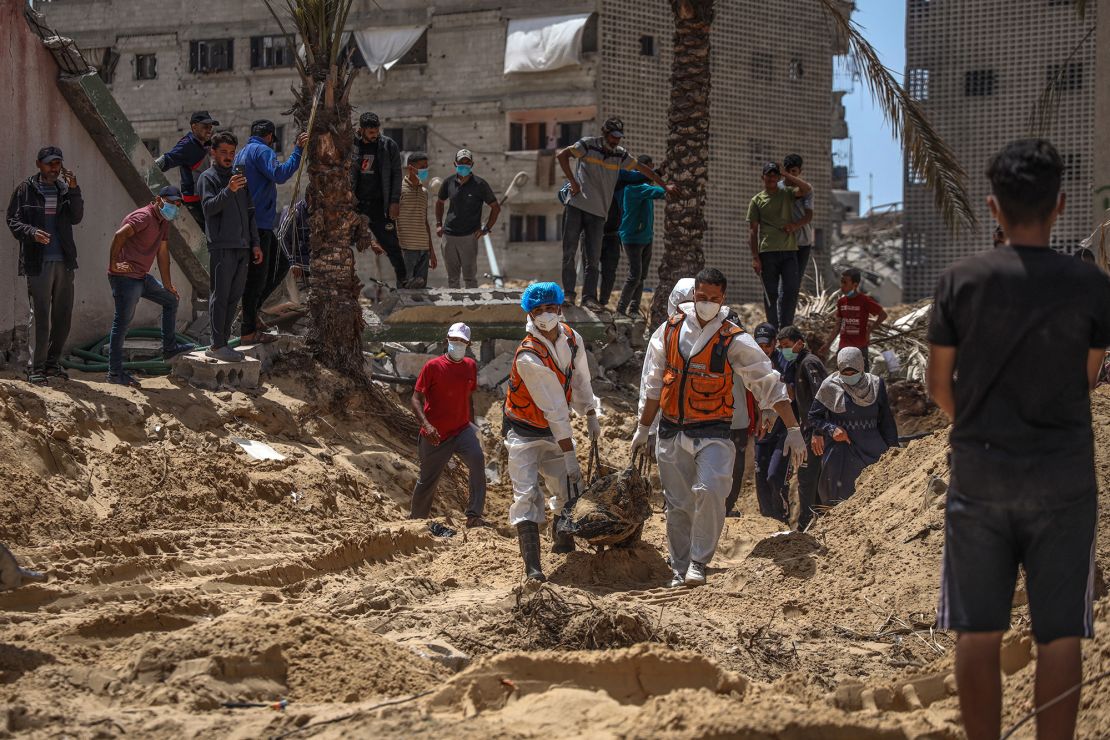
The discovery of mass graves at two major Gaza hospitals has drawn urgent calls for international investigation. Palestinian families uncovered the buried remains at Nasser Hospital and Al Shifa Hospital after the withdrawal of Israeli forces in April 2024. According to independent analysis, the graves were located in the same areas where earlier mass burials had been conducted by Palestinians during the siege of Nasser Hospital, complicating efforts to determine the total number of bodies involved.
The mass graves came to light on 20 April 2024, when displaced Palestinian families returned to the Nasser Hospital complex in Khan Younis following a prolonged military siege. The siege had forced hospital staff and patients to bury dozens of deceased individuals on the hospital grounds due to the impossibility of reaching cemeteries under active bombardment. Similar discoveries were reported at Al Shifa Hospital in Gaza City, the territory's largest medical facility, which had also endured extended military operations. The total number of bodies recovered from both sites remains under forensic review.
More than one month after the mass graves were first discovered, Medical Aid for Palestinians issued a statement expressing deep concern that no international investigators had yet been allowed to enter Gaza. The organization emphasized the urgent need to preserve vital evidence at the sites. "International investigations and accountability are essential," MAP stated, warning that continued delays in access could compromise forensic integrity. The United Nations echoed these demands, urging that any investigation meet the highest standards of transparency and credibility. Human rights organizations have stressed that determining the cause and circumstances of death for each individual is critical for any future legal proceedings.
The crisis in Gaza resonates deeply across the Arab world, including Libya, where civilian populations have experienced their own devastation from years of armed conflict. Libyan families who witnessed hospitals and civilian infrastructure destroyed during their own civil war understand the gravity of what the people of Gaza are enduring. Libya's recent history of mass grave discoveries during and after its own conflicts makes the situation in Gaza a matter of regional solidarity. Accountability for violations of international humanitarian law anywhere strengthens the principles that protect civilians everywhere. Libyan civil society groups and media have consistently highlighted these parallels, reinforcing the demand for justice that transcends borders.
The path forward depends on whether the international community can secure access for independent forensic investigators to both hospital sites. Preserving the evidence at Nasser and Al Shifa hospitals is not only a matter of truth and accountability for the families of the deceased but also a test of the global commitment to international humanitarian law. The world is watching whether calls for a credible investigation will translate into action. For the people of Gaza and for Libya's own communities affected by war, justice delayed risks becoming justice denied.