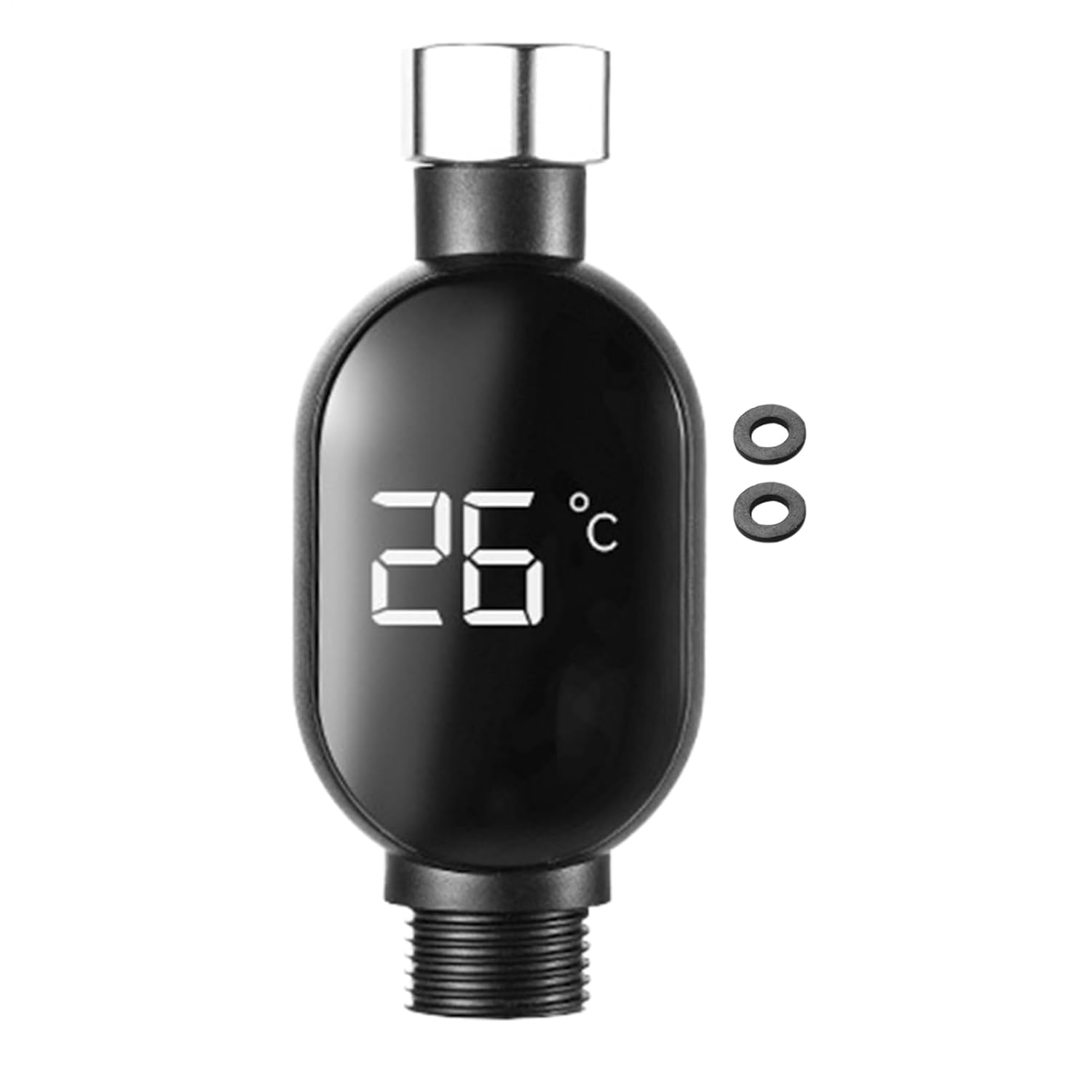
جهاز مراقبة درجة حرارة تدفق المياه
وفر 35%! اشترِ جهاز مراقبة درجة حرارة تدفق المياه بسعر 163.2 د.ل فقط في ليبيا. م
🛒 تسوق الآن Libya Press
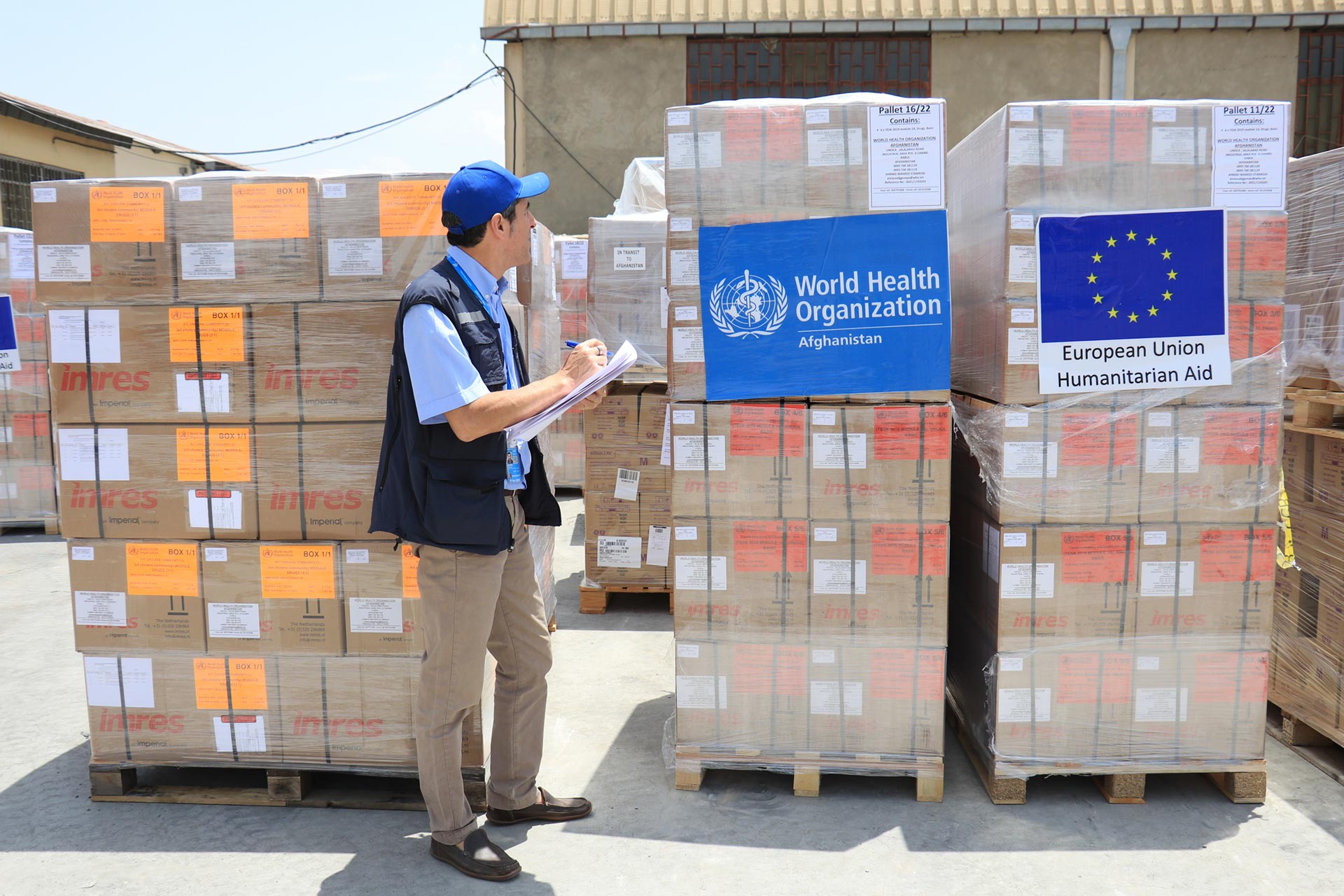
The World Health Organization (WHO), with funding from the European Union Civil Protection and Humanitarian Aid Operations (ECHO), has launched an 8-month humanitarian health project to address critical gaps in health and mental health care for Sudanese refugees and vulnerable host communities in southern Libya. Announced on 14 July 2026 in Tripoli, the initiative aims to reduce morbidity and mortality among Sudanese refugees by expanding access to essential health services in underserved regions.
The project — formally titled "Reducing morbidity and mortality among Sudanese refugees in Libya by increasing access to essential health and mental health services" — will focus primarily on Alkufra, with additional support extended to Alghatroun. These areas host a significant number of Sudanese refugees who fled the ongoing conflict in Sudan, many living in remote farms, informal settlements, and other hard-to-reach locations with minimal access to healthcare.
WHO will deploy integrated mobile medical teams composed of general practitioners, gynaecologists, paediatricians, mental health specialists and trauma doctors. These teams will be supported by trained community health workers who will conduct follow-up visits, health promotion activities and community outreach to ensure continuity of care.
The mobile teams are designed to reach refugees living in isolated areas where formal health infrastructure is sparse or non-existent. By bringing services directly to these communities, WHO aims to overcome one of the most significant barriers to healthcare access in southern Libya: geographic isolation.
In addition to mobile services, the project will reinforce selected public health facilities to ensure that refugees and vulnerable individuals with severe or complicated conditions can access specialized care, diagnostics and referral services when needed. Special attention will be directed toward women, children, persons with disabilities, people with chronic diseases and individuals with reduced mobility.
WHO will also work to enhance the capacity of local health authorities and frontline responders in emergency preparedness, outbreak detection, infection prevention and control, mass casualty management and lifesaving stabilization. These capacity-building efforts aim to strengthen the resilience of the local health system and improve its readiness to respond to sudden increases in health needs, disease outbreaks and other emergencies.
"Sudanese refugees in southern Libya continue to face serious barriers in accessing their basic right to essential health care services, particularly in underserved areas," said WHO Representative and Head of Mission in Libya Dr Ahmed Zouiten. "This partnership with ECHO is more than just delivering medicine, it's about restoring dignity. By taking mobile medical teams directly to remote farms and hidden settlements, we are making sure no one is left to suffer in isolation."
The project builds on WHO's sustained humanitarian health response in Alkufra, where the organization has maintained an operational presence since July 2024, supporting mobile medical services, community outreach and coordination of the emergency health response.
The conflict in Sudan, which began in April 2023, has displaced millions, with hundreds of thousands crossing into neighbouring countries including Libya. Southern Libya, particularly the regions bordering Chad, Sudan and Niger, has become a transit and hosting area for refugees facing precarious conditions with limited access to shelter, food, water and healthcare.
The influx has placed significant strain on local health systems that were already operating with limited resources. WHO's new project aims to alleviate this pressure by providing dedicated resources for refugee health while simultaneously strengthening the capacity of local health facilities that serve both refugees and host communities.
WHO will continue working closely with national and local health authorities, humanitarian partners and community representatives to ensure coordinated, equitable and dignified access to health care for all populations in southern Libya.
— Libya Press / News Desk