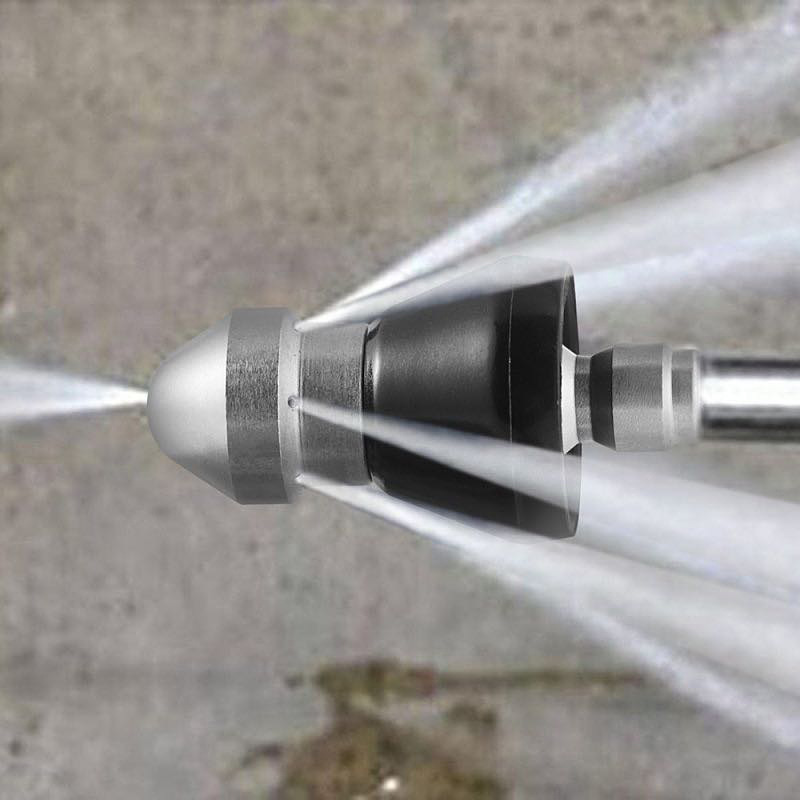
أداة تنظيف الصرف
وفر 22%! اشترِ أداة تنظيف الصرف بسعر 219 د.ل فقط في ليبيا. متوفر حالياً، الدفع ع
🛒 تسوق الآن Libya Press
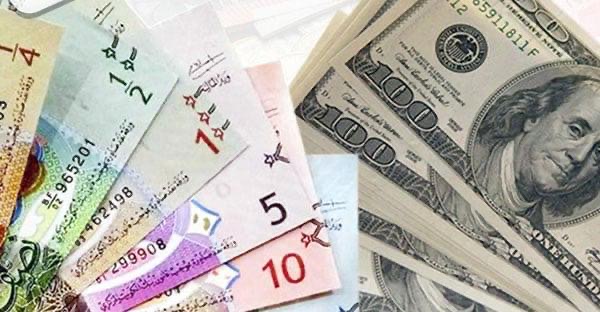
The Libyan dinar maintained its ground against major foreign currencies on Thursday, June 11, 2026, with the US dollar holding steady at 6.37 dinars in the official market — the same rate recorded the previous day, according to the Central Bank of Libya's daily bulletin. The euro also remained stable at 7.36 dinars, signaling continued calm in Libya's foreign exchange market amid broader economic stabilization efforts. This marks another session of relative quiet for the North African nation's currency markets, which have seen reduced volatility compared to the sharp fluctuations of previous years.
The Central Bank of Libya's latest price bulletin revealed the following official exchange rates for June 11:
The sustained stability in the dinar's value against the dollar and euro reflects the Central Bank's ongoing efforts to maintain a unified exchange rate framework. For a country that has battled dual exchange rates — official and parallel market — for over a decade, consistent official rates are a critical signal of institutional credibility. The near-flat movement across most major currencies suggests that foreign currency supply and demand remain broadly balanced in the formal banking sector. Economists note that this stability has helped reduce inflationary pressures that previously eroded household purchasing power.
While the Libyan dinar holds firm, neighboring North African economies have seen greater currency volatility in 2026. The Tunisian dinar, traded at 2.18 LYD, has faced its own pressures from inflation and persistent trade deficits. Egypt's pound has experienced managed devaluations throughout the year as Cairo navigates IMF-backed reforms. Against this backdrop, Libya's exchange rate stability stands out — though economists caution that sustained oil production and continued political unity remain essential preconditions for maintaining these levels over the long term.
For Libyan households and businesses, exchange rate stability directly impacts the cost of imported goods — from food and medicine to electronics and vehicles. A stable dinar at 6.37 to the dollar means predictable pricing for the vast majority of consumer goods, nearly all of which are imported. The British pound's slight dip to 8.52 dinars may offer marginal relief for Libyans sending remittances to or receiving funds from the UK. Traders and importers closely watch these daily bulletins to time their foreign currency purchases and plan their commercial operations accordingly.
Analysts say the dinar's stability hinges largely on Libya's oil output, which has hovered near 1.2 million barrels per day in recent months. Continued oil revenues provide the Central Bank with the foreign currency reserves needed to defend the official rate. Any disruption to production — whether from political disputes, infrastructure decay, or global oil price swings — could quickly translate into exchange rate pressure. For now, however, the message from the Central Bank's Thursday bulletin is clear: the dinar is holding firm, and the outlook remains cautiously positive for the coming weeks.
— LibyaPress / Economy Desk