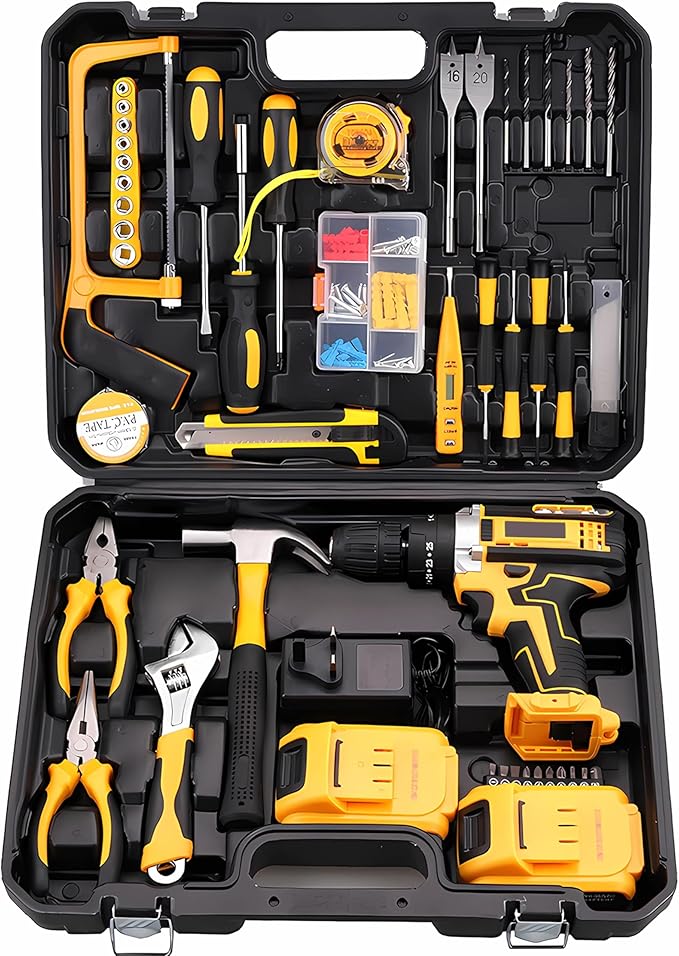
طقم أدوات كهربائية بقوة 48 فولت
وفر 23%! اشترِ طقم أدوات كهربائية بقوة 48 فولت بسعر 549 د.ل فقط في ليبيا. متوفر
🛒 تسوق الآن Libya Press
Nigeria's crude oil production has reached a 15-month peak, climbing to 1.53 million barrels per day in May 2026 and surpassing the country's OPEC quota of 1.5 million bpd by 2 percent, according to data released by the Nigerian Upstream Petroleum Regulatory Commission (NUPRC). Including condensates, total combined output hit 1.70 million bpd — the highest level since July 2025 and a powerful signal that Africa's largest oil producer is staging a sustained recovery after years of disruption.
The numbers tell a compelling story of resurgence. Crude oil output alone averaged 1,530,354 bpd, while condensate production contributed an additional 170,446 bpd. On a month-on-month basis, production rose 2.77 percent from 1.48 million bpd in April. The broader five-month trend shows consistent growth: from 1.48 million bpd in February to 1.54 million in March, 1.66 million in April, and 1.70 million in May. Combined output ranged between a low of 1.51 million bpd and a peak of 1.86 million bpd during the reporting period.
Bonny Terminal led all production streams with 293,870 bpd, followed closely by Forcados Terminal at 289,900 bpd. Qua Iboe ranked third with 173,360 bpd, while Escravos Oil Terminal contributed 135,470 bpd. Odudu (Amenam Blend) rounded out the top five with 63,250 bpd. The NUPRC attributed the rise to sustained operational stability throughout May, with no significant pipeline or facility outages recorded and all scheduled turnaround maintenance completed successfully.
The production gains come alongside an intensified security campaign targeting crude oil theft and pipeline vandalism. The NNPC, operating under the Industry Wide Security Architecture (IWSA), conducted a joint inspection of a vandalized pipeline section at Pai Community in Kwali Area Council, Abuja. The operation — involving the Office of the National Security Adviser's Special Prosecution Team, the FCT Police Command, and the Nigerian Army — led to the arrest of three suspected pipeline vandals. NNPC Group Chief Executive Bayo Ojulari, represented by Chief Interface Officer Dahiru Sani-Gwarzo, stated: "The industry-wide security architecture has been actively pursuing criminal elements involved in the sabotage of our energy infrastructure. Those apprehended are only a small part of a larger network. Our focus remains on identifying and bringing to justice the masterminds and sponsors behind these criminal activities."
Nigeria's production milestone has direct implications for Libya and the broader North African energy landscape. As Africa's two largest oil producers, Nigeria and Libya compete for market share and OPEC influence. Nigeria's return to full quota compliance — and beyond — could intensify pressure on global oil supplies, potentially affecting prices that directly impact Libya's own oil revenues. Libya, which has faced its own production disruptions due to political instability and infrastructure damage, will be watching closely as Nigeria demonstrates that sustained operational discipline can reverse years of decline. For Libyan energy planners, Nigeria's model of combining regulatory oversight with military-backed pipeline security offers a relevant case study.
The outlook remains cautiously optimistic. If international oil prices hold around $100 per barrel, Nigeria's increased output could significantly boost government revenues and foreign exchange earnings. The Dangote Refinery, Africa's largest, may also reduce its dependence on imported crude as domestic supply strengthens. However, sustaining this momentum requires continued investment in infrastructure, consistent security operations against theft networks, and stable policy conditions. For now, Nigeria has delivered its strongest production performance in over a year — and the entire energy world is taking notice.
— LibyaPress / Economy Desk