
سكاكين الطبخ
وفر 24%! اشترِ سكاكين الطبخ بسعر 260 د.ل فقط في ليبيا. متوفر حالياً، الدفع عند ا
🛒 تسوق الآن Libya Press
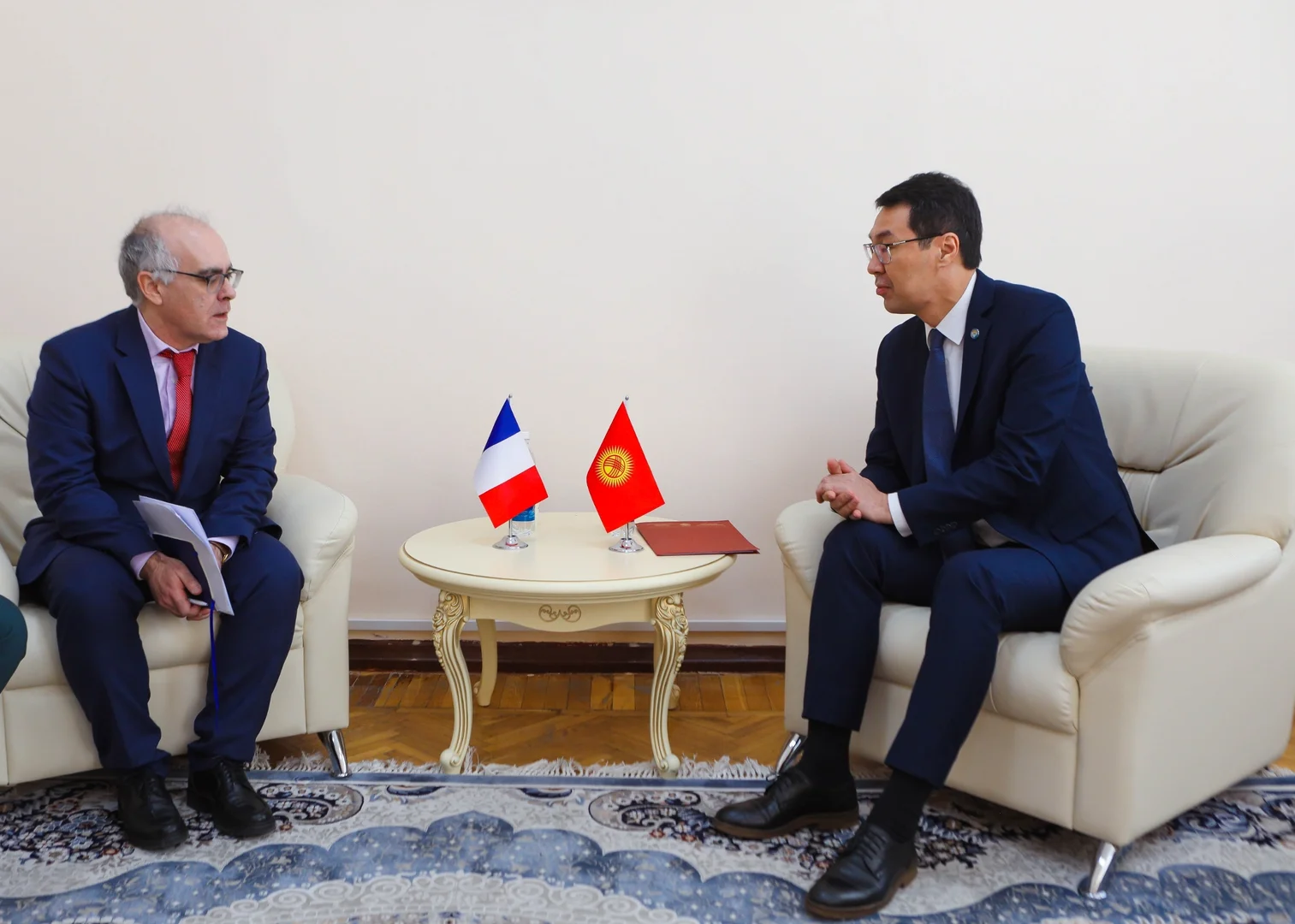
Libya's Deputy Defense Minister Abdulsalam Al-Zoubi met with French Ambassador to Libya Thierry Vallat on Wednesday at the Ministry of Defense headquarters in Tripoli, marking a significant step toward deepening military and security cooperation between the two nations. The meeting, also attended by French Military Attaché Michel Benoit, focused on expanding bilateral coordination across several shared files — from defense training to border security and counterterrorism efforts.
This diplomatic engagement comes at a critical moment. Libya remains politically divided between the UN-recognized Government of National Unity in Tripoli and the eastern-based Government of National Stability, with national elections stalled since 2021. Against this backdrop, France is positioning itself as a key partner willing to engage directly with Libyan defense institutions.
According to the Libyan Ministry of Defense, the discussions centered on concrete mechanisms to broaden cooperation between Tripoli and Paris. While full details of the talks have not been made public, the following key areas were addressed:
The Tripoli meeting is part of a wider French diplomatic push across North Africa. Just days earlier, on June 10, Syria's Deputy Defense Minister Major General Mohammad Khair Hassan Shuaib hosted Hervé Hamelin, Head of International Military Relations at the French Armed Forces General Staff, in Damascus for similar discussions on expanding defense cooperation. These parallel engagements suggest that France is actively rebuilding military-diplomatic relationships across the region after years of disruption caused by the Arab Spring and its aftermath.
According to the Security Council Report's June 2026 forecast, France welcomed the US mediation role in supporting military integration in Libya — a process aimed at unifying the country's divided armed factions under a single command structure.
For ordinary Libyans, the strengthening of Libya-France defense ties carries both promise and complexity. On one hand, international military cooperation could help professionalize Libya's fragmented security forces, improve border control, and reduce the influence of armed militias that have plagued the country for over a decade. French expertise in counterterrorism and border management could prove invaluable in securing Libya's southern frontier with Chad, Niger, and Sudan.
On the other hand, Libya-France relations carry historical baggage. Former French President Nicolas Sarkozy, who led the 2011 NATO intervention, is currently facing trial over allegations of illegal campaign funding from the Gaddafi regime. Libya is pursuing legal action seeking €10 million in compensation. These unresolved tensions mean any deepening of bilateral ties must be handled with transparency and accountability.
The Forum France-Libye 2026 held in Marseille and Paris in April demonstrated that economic cooperation is advancing alongside defense talks, with more than 400 French companies expressing interest in Libyan market opportunities spanning infrastructure, energy, and development.
The Wednesday meeting in Tripoli is expected to be followed by additional technical discussions between defense officials from both countries. With the UN Support Mission in Libya continuing to push for a political roadmap that includes unifying state institutions and holding elections, international partnerships like the one with France could play a supportive role in stabilizing the country's security landscape.
For Libya, the path forward requires balancing international cooperation with national sovereignty — engaging partners like France while ensuring Libyan interests remain at the center of every agreement. The coming weeks will reveal whether these talks translate into concrete action.
— LibyaPress / Politics Desk