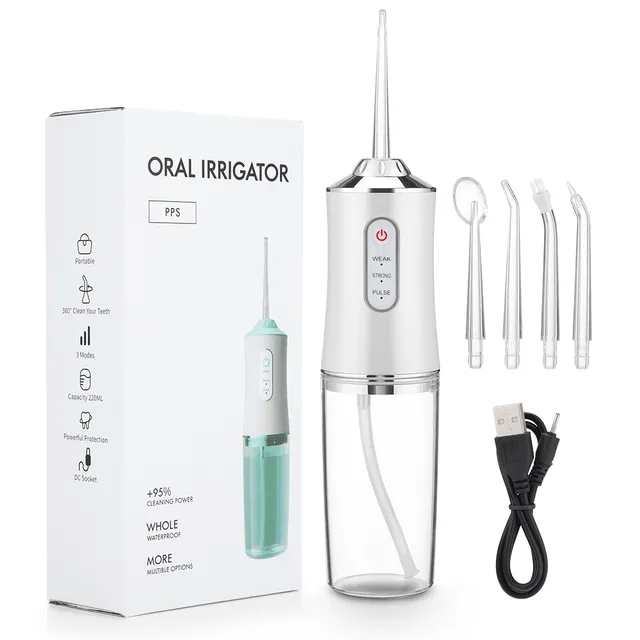
جهاز تنظيف الأسنان بالماء
وفر 23%! اشترِ جهاز تنظيف الأسنان بالماء بسعر 248 د.ل فقط في ليبيا. متوفر حالياً
🛒 تسوق الآن Libya Press
From Mozambique's campaign of political disappearances to a landmark police reform in Nigeria, June 12, 2026, marks a pivotal day across the African continent. Five major developments — spanning security, governance, health, and diplomacy — are reshaping the landscape for millions. Here is what Libyans need to know about today's most consequential African stories.
A five-month investigation by more than 30 journalists from 10 media organizations has exposed a state-sponsored campaign of repression in Mozambique. The Forbidden Stories consortium found that since the October 2024 general elections, more than 400 supporters of opposition leader Venâncio Mondlane have been subjected to violence — including 55 killed. Mondlane filed complaints with Mozambique's Attorney General's Office describing extrajudicial killings, mutilations, arbitrary arrests, and enforced disappearances. An anti-terror law passed in 2020 permits detention for up to 16 months without charge.
A new investigation by the Yale School of Public Health's Humanitarian Research Lab has revealed an active military logistics chain inside an Ethiopian National Defense Forces base in Asosa. Using satellite imagery from March 29 to May 21, 2026, researchers found civilian vehicles being systematically repainted in RSF colors and converted into armed "light technical vehicles" with mounted heavy machine guns. The report assesses with high confidence that 50-caliber barrels are being affixed to modified trucks destined for Sudan's Blue Nile State frontlines.
Nigeria's House of Representatives overwhelmingly passed a constitutional bill on June 11, 2026, paving the way for each of the country's 36 states to establish its own police force alongside the federal Nigeria Police Force. President Bola Tinubu supports the decentralised model as critical to addressing insurgency, mass kidnappings, and communal clashes. The bill must still be approved by at least two-thirds of state assemblies. Separately, the Federal High Court in Abuja sentenced five men to 25 years each for supplying 15 AK-103 rifles and 1,434 rounds of ammunition to a Boko Haram network in Niger State.
For Libyans, the most directly relevant development is the resumption of the "4+4" restricted dialogue committee in Tunisia under UN auspices. The committee comprises representatives from the High Council of State, the Tripoli-based Government of National Unity, and the eastern administration backed by Field Marshal Khalifa Haftar. Representatives are reviewing legal provisions governing Libya's electoral process and an implementation timeline. These talks aim to break Libya's prolonged political deadlock that has prevented national elections. The United Nations Support Mission in Libya (UNSMIL) is facilitating the process, representing one of the most concrete diplomatic efforts in months to move Libya toward a constitutional framework for elections.
Today's developments underscore the interconnected security and governance challenges facing the African continent. The resumption of Libya's electoral talks in Tunisia offers a cautious note of hope — that even in a region marked by deadlock, diplomatic channels remain open. For Libyans watching these regional dynamics, the path forward depends on sustained international engagement and genuine domestic consensus. — LibyaPress / Politics Desk