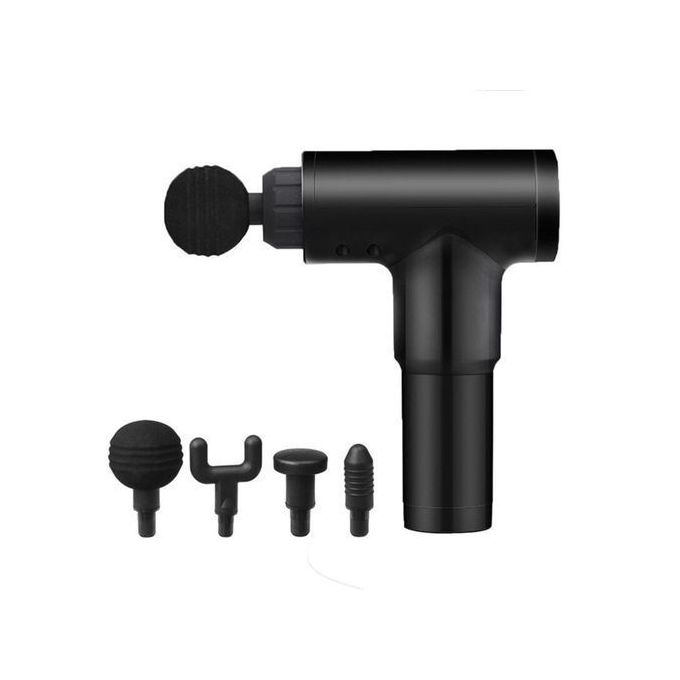
جهاز التدليك
وفر 26%! اشترِ جهاز التدليك بسعر 290 د.ل فقط في ليبيا. متوفر حالياً، الدفع عند ا
🛒 تسوق الآن Libya Press
Morocco reiterated on Tuesday its unwavering support for a political solution in Libya during a meeting of the African Union Peace and Security Council (AU PSC) in Addis Ababa. The Kingdom's Permanent Representative to the AU and UNECA, Mohamed Arrouchi, delivered a comprehensive statement outlining Morocco's continued dedication to national reconciliation and inter-Libyan dialogue. This latest diplomatic push underscores Rabat's longstanding role as a key mediator in the Libyan crisis, which has persisted for over a decade since the 2011 uprising.
Ambassador Arrouchi emphasized that the Skhirat Agreement, signed on December 17, 2015, under United Nations auspices, remains a highly credible foundation for a lasting political resolution. The agreement, which Morocco hosted in the coastal town of Skhirat near Rabat, established the framework for the Government of National Unity and remains the most internationally recognized roadmap for Libya's political transition. Arrouchi called for safeguarding Libya's unity, sovereignty, and territorial integrity as vital prerequisites for long-term stability across the North African nation.
"The political solution and dialogue between various Libyan players are the only way to overcome the country's years-long crisis," stated Ambassador Mohamed Arrouchi during the AU PSC session. He further stressed that "the conditions are currently ripe in Libya for progress in the political process," noting that the only way to resolve the issue of legitimacy is through a transparent and inclusive electoral process. Arrouchi also highlighted Morocco's awareness that increasing foreign interference and divergent international agendas are negatively impacting the resolution of the Libyan crisis, accentuating internal divisions and compromising any peaceful political process.
For Libya, Morocco's renewed commitment carries significant weight. As a fellow Maghreb nation with deep cultural and economic ties to Libya, Rabat's diplomatic involvement is seen by many Libyan stakeholders as more neutral and trustworthy than interventions by distant powers. The January 7, 2026 agreement between the Government of National Unity and the eastern-based government — facilitated partly through Moroccan channels — represents the most promising step toward unifying Libya's divided institutions in years. Libyans across the country continue to demand credible elections, unified governance, and an end to foreign interference. Morocco's consistent advocacy for a Libyan-led solution, free from external agendas, aligns directly with what the majority of Libyan citizens seek: sovereignty, stability, and self-determination.
The path forward for Libya remains challenging but increasingly defined. With Morocco and the African Union pushing for an inclusive electoral process, there is growing international consensus that only transparent presidential and legislative elections can resolve Libya's legitimacy crisis. The international community's unified support for a political — rather than military — solution offers genuine hope that Libya can finally move beyond division. For millions of Libyans who have endured over a decade of conflict, the promise of credible institutions and representative government is not just a political aspiration — it is the foundation for a stable and prosperous future. — LibyaPress / Politics Desk