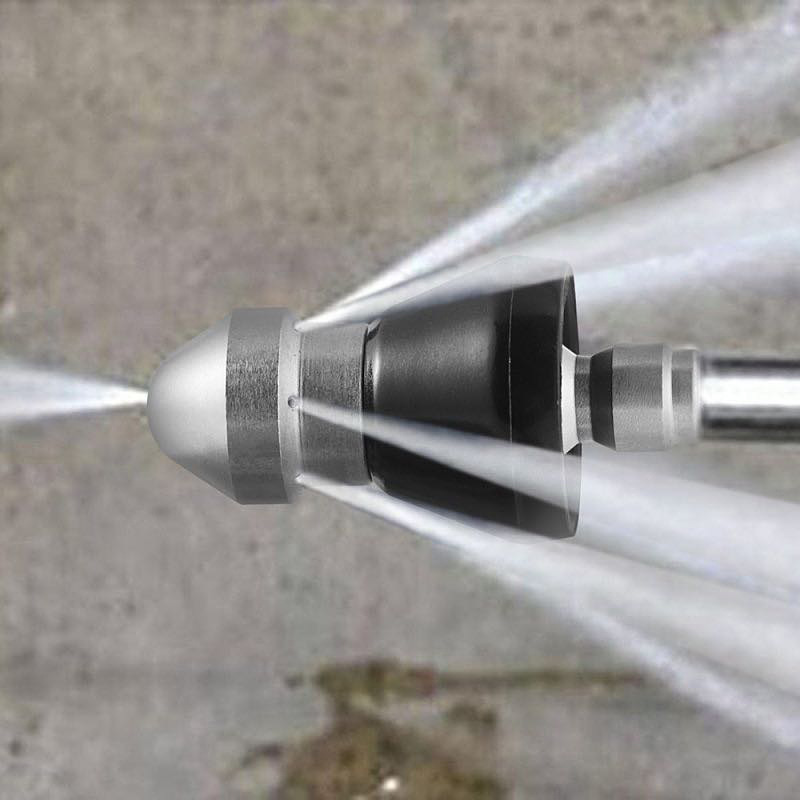
أداة تنظيف الصرف
وفر 22%! اشترِ أداة تنظيف الصرف بسعر 219 د.ل فقط في ليبيا. متوفر حالياً، الدفع ع
🛒 تسوق الآن Libya Press
Gold prices in Libya edged slightly higher on Monday, June 8, 2026, bucking a global trend that saw the precious metal drop 1.2 percent to $4,267 per ounce. According to data published by Al Wasat newspaper, the price of 24-karat gold settled at 885.40 Libyan dinars per gram — a marginal increase of just 0.20 dinars from Sunday's close of 885.20 dinars.
The stability in local prices comes despite a turbulent day on international markets, where gold fell from the previous session as traders reacted to mixed US economic signals and renewed tariff uncertainty under the Trump administration. Over the past month, global gold has declined nearly 10 percent, though it remains 28 percent higher than a year ago.
The 22-karat gram — the most widely purchased karat in Libyan markets — recorded 811.70 dinars, up 0.30 dinars from 811.40 dinars on Sunday. The 21-karat gram, commonly used in Libyan jewelry, reached 774.80 dinars compared to 774.50 dinars the previous day. The 18-karat gram held at approximately 664.72 dinars, maintaining the spread of over 221 dinars between the highest and lowest common karats.
The international gold ounce settled at 27,540 Libyan dinars in local markets, up 9 dinars from Sunday's 27,531 dinars. A gold pound — an 8-gram bar of 21-karat gold popular for savings and dowries — was priced at 6,198 dinars. Broken gold of 18-karat purity traded at 835 dinars per gram, according to Monday evening market rates.
Currency dynamics explain much of the local market's resilience. The US dollar continued its climb on Libya's parallel market, closing Sunday at approximately 8.385 dinars — up from 8.36 dinars the previous day. The Central Bank of Libya's official rate stands at 6.37 dinars, but most gold transactions occur on the parallel market where the dollar trades at a significant premium.
"When the dollar strengthens locally, it creates a floor under gold prices even when international rates dip," said a Tripoli-based precious metals trader who asked not to be named. "Most Libyan buyers price gold in dollars mentally, so a weaker dinar keeps local demand firm."
Gold is more than a commodity in Libya — it is a primary savings vehicle, a hedge against currency depreciation, and a cultural cornerstone of marriage and family wealth. With the dinar losing ground on the parallel market and inflation eroding purchasing power, many Libyan families turn to gold as a store of value when bank deposits feel risky.
The 22-karat gram at 811.70 dinars means a traditional Libyan gold set for a bride — typically 150 to 200 grams — costs between 121,755 and 162,340 dinars. At the parallel exchange rate, that translates to roughly $14,500 to $19,400, a sum that strains middle-class budgets in a country where public sector salaries average 1,500 to 2,500 dinars per month.
J.P. Morgan Global Research projects gold could reach $5,000 per ounce by the fourth quarter of 2026, which — if realized — would push Libyan gold prices significantly higher, especially if the parallel market dollar continues its upward trajectory.
Libyan gold traders and households should monitor three factors in the coming days: the parallel market dollar rate, which has been climbing steadily since late May; global gold's ability to hold the $4,200 support level; and any Central Bank of Libya interventions in the foreign exchange market. A break above $4,400 internationally, combined with further dinar weakness, could push the 24-karat gram past the 900-dinar threshold — a psychological barrier that would accelerate buying among Libyan savers.
For now, the market holds steady. But in Libya, stability is always temporary.
— LibyaPress / Economy Desk